
Normal Electric Bill For 1 Bedroom Apartment
Okay, let's talk about something we all love to hate: the electric bill.
Specifically, the electric bill for a one-bedroom apartment.
What's "normal" anyway? Spoiler alert: it's probably a myth.
Must Read
The Great Electric Bill Mystery
Figuring out a "normal" electric bill is like trying to herd cats. It's chaotic and usually involves a lot of hissing.
Everyone has an opinion. And almost nobody agrees.
Prepare yourself. This is going to be a wild ride.
Location, Location, Location!
Your location matters more than you think. Think scorching Arizona summers versus mild California breezes.
An AC unit running 24/7 in Miami? Prepare for a hefty bill.
Living in Seattle and only using the heat occasionally? You might get away with murder (on your wallet, at least).
The Appliance Army
Let's be real. We're all secretly running an appliance army.
Old refrigerators are energy vampires. They slowly suck the life (and money) out of your bank account.
That ancient dryer from the Stone Age? Time to upgrade, my friend.

Usage Habits: The Real Culprit
This is where things get personal. And possibly uncomfortable.
Are you a "lights on in every room" kind of person? Do you leave your TV playing for your pet hamster while you're at work?
Be honest with yourself! Your electric bill knows the truth.
The "Normal" Range (If It Exists)
Alright, alright. I know you want numbers. But don't come crying to me later when they're wrong.
Generally speaking, you might see one-bedroom apartments ranging from $50 to $150 per month.
But remember! That's a HUGE range. And completely dependent on everything we just talked about.
My Unpopular Opinion: There Is No "Normal"
Here it comes. My hot take.
I firmly believe the concept of a "normal" electric bill is a complete fabrication.
It's a unicorn. A myth. A conspiracy created by Big Energy to keep us all guessing.
Why "Normal" Is Meaningless
Think about it. Your neighbor might be a minimalist who lives by candlelight.

Meanwhile, you're running a hydroponic tomato farm in your living room (powered by grow lights, of course).
Are your bills supposed to be the same? Absolutely not!
Focus on Your Own Consumption
Instead of chasing this phantom "normal," focus on your own energy usage.
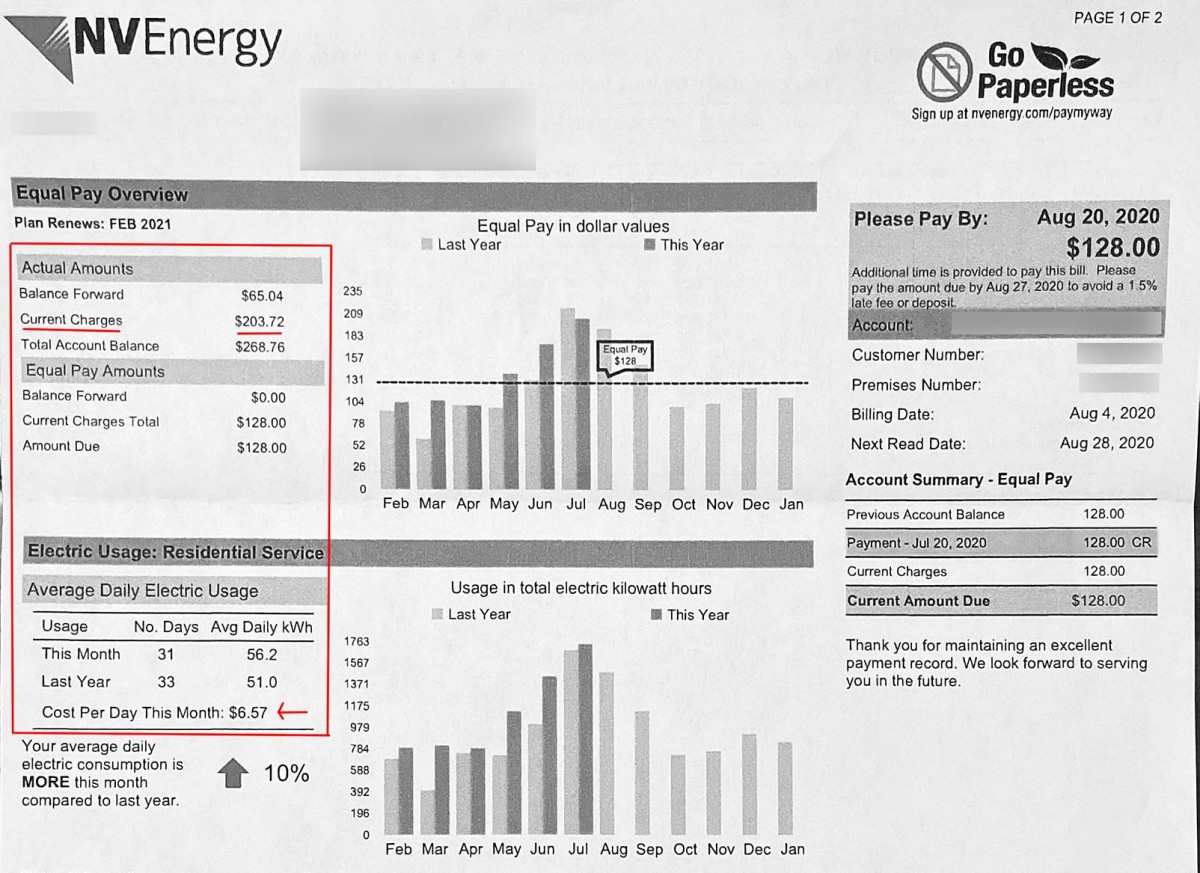
Track your kilowatt-hours (kWh). See what's using the most power.
Then, make adjustments. Small changes can make a big difference.
Tips to Tame Your Electric Bill Beast
Ready to fight back? Here are some battle-tested strategies.
Prepare for war! (The energy-saving kind of war).
Every kilowatt saved is a victory!
Embrace the Power of LEDs
This is a no-brainer. LEDs are your new best friend.

They use significantly less energy than traditional incandescent bulbs.
Plus, they last forever! Okay, maybe not forever, but a really, really long time.
Unplug Phantom Loaders
Phantom loaders are devices that suck energy even when they're turned off.
Think phone chargers, TVs, and coffee makers. They're sneaky little vampires.
Unplug them when you're not using them. It's a simple habit that can save you money.
Smart Thermostats Are Your Allies
A smart thermostat can automatically adjust the temperature based on your schedule.
No need to heat or cool your apartment when you're not even there!
It's like having a tiny, energy-conscious robot living in your wall.
Become a Detective: Find the Energy Hogs
Use an energy monitor to identify your biggest energy consumers.
You might be surprised to discover which appliances are the real culprits.
Knowledge is power! (Energy-saving power, that is).
The Bottom Line
Forget about "normal." It's a waste of time and energy.
Instead, focus on understanding your own energy usage and making smart choices.
Your wallet (and the planet) will thank you. So, do you agree with my unpopular opinion?
One Last Thought...
Before you completely overhaul your apartment, check with your landlord.
They might have rules about replacing appliances or installing certain devices.
You don't want to accidentally start a tenant-landlord war over energy efficiency!
And Remember:
Energy conservation is a marathon, not a sprint. Be patient and persistent.
Small changes can add up over time.
Now go forth and conquer your electric bill! You got this!