
Non Perishable Food Items For Emergency Kit

Let's talk about the unsung heroes of your pantry: non-perishable foods. These aren’t just dusty cans in the back; they're potential lifesavers with surprisingly long shelf lives and quirky personalities.
Think of them as the reliable friends you can always count on, even when the chips are down (or, more likely, when the power is out).
Canned Goods: The Tin Can Titans
Canned goods are the rock stars of the non-perishable world. From humble beans to exotic fruits, they're sealed in their metallic fortresses, ready for anything.
Must Read
Ever wondered how long they actually last? Technically, they can be good for years beyond the "best by" date, as long as the can isn't bulging or rusty. That's some serious staying power.
Beans are incredible. They're packed with protein, fiber, and a surprising amount of culinary versatility. You can whip them into dips, stews, or even desserts (don't knock it 'til you try it!).
Canned Tomatoes: The Versatile Vampires
Canned tomatoes are the culinary equivalent of vampires – they seem to live forever. Crushed, diced, or whole, they're a staple in countless recipes.
They're also a fantastic source of lycopene, an antioxidant that sounds like something out of a sci-fi movie. Who knew emergency food could be so…futuristic?
Don't underestimate canned fish, especially sardines and tuna. These little guys are swimming in omega-3 fatty acids, which are good for your brain and your heart.
Plus, they're a great source of protein, making them a filling and nutritious option when you need it most. Just be prepared for the…aroma.

Dried Goods: The Dehydrated Dynamos
Dried goods are like the marathon runners of the food world – they're in it for the long haul. Dehydration is their secret weapon, removing moisture to prevent spoilage.
Rice, pasta, and grains are the cornerstones of any good emergency kit. They're relatively inexpensive, easy to store, and can be used in a variety of dishes.
Ever tried making a risotto with dried grains during a power outage? It's a surprisingly meditative experience, though maybe not during a real emergency.
Dried Fruits: Nature's Candy
Dried fruits are like nature's candy, packed with sweetness and energy. Raisins, apricots, and cranberries are all great options.
They're also surprisingly portable, making them perfect for snacking on the go. Just watch out for the stickiness – dried fruit can be a real dental hazard.
Dried beans and lentils are also great. They expand when cooked, providing a hearty and filling meal. Plus, they're incredibly affordable. A bag of lentils can go a long way, both figuratively and literally.
Nut Butters and Nuts: The Powerhouse Pair
Peanut butter, almond butter, cashew butter – the possibilities are endless. These creamy spreads are packed with protein, healthy fats, and calories.

They're also incredibly satisfying, which is important when you're dealing with stress or uncertainty. Just be mindful of allergies.
Nuts themselves are also a great option. Almonds, walnuts, and cashews are all packed with nutrients and energy. They’re easy to grab a handful and go.
Seeds: Tiny but Mighty
Don't forget about seeds! Chia seeds, flax seeds, and sunflower seeds are all tiny but mighty, packed with fiber, omega-3 fatty acids, and other essential nutrients.
You can add them to smoothies, oatmeal, or even just eat them by the spoonful. Okay, maybe not by the spoonful, but you get the idea.
Pro tip: store your nut butters and nuts in a cool, dark place to prevent them from going rancid. Nobody wants rancid almonds during an emergency.
Other Notable Mentions
There are a few other non-perishable foods that deserve a shout-out.

Honey is the only food that never spoils. Seriously, archaeologists have found edible honey in ancient tombs. It’s that impressive.
Salt and sugar are also practically immortal. They might clump up over time, but they'll still be perfectly safe to eat. They’re useful for water purification.
Powdered Milk: The Unexpected Hero
Powdered milk is the unsung hero of the non-perishable world. It's a surprisingly versatile ingredient that can be used in baking, cooking, or simply reconstituted with water for a refreshing (or at least, palatable) drink.
Consider bouillon cubes. They are small and lightweight, but pack a punch of flavor. You can use them to make broth, soup, or even just to add some flavor to plain rice or pasta.
Don’t underestimate the power of comfort food. A little bit of chocolate can go a long way in lifting your spirits during a stressful situation.
Building Your Emergency Kit: A Few Tips
Now that you know what to include in your emergency kit, here are a few tips for building it.
Choose foods that you actually like to eat. There's no point in stocking up on canned sardines if you can't stand the taste of them.
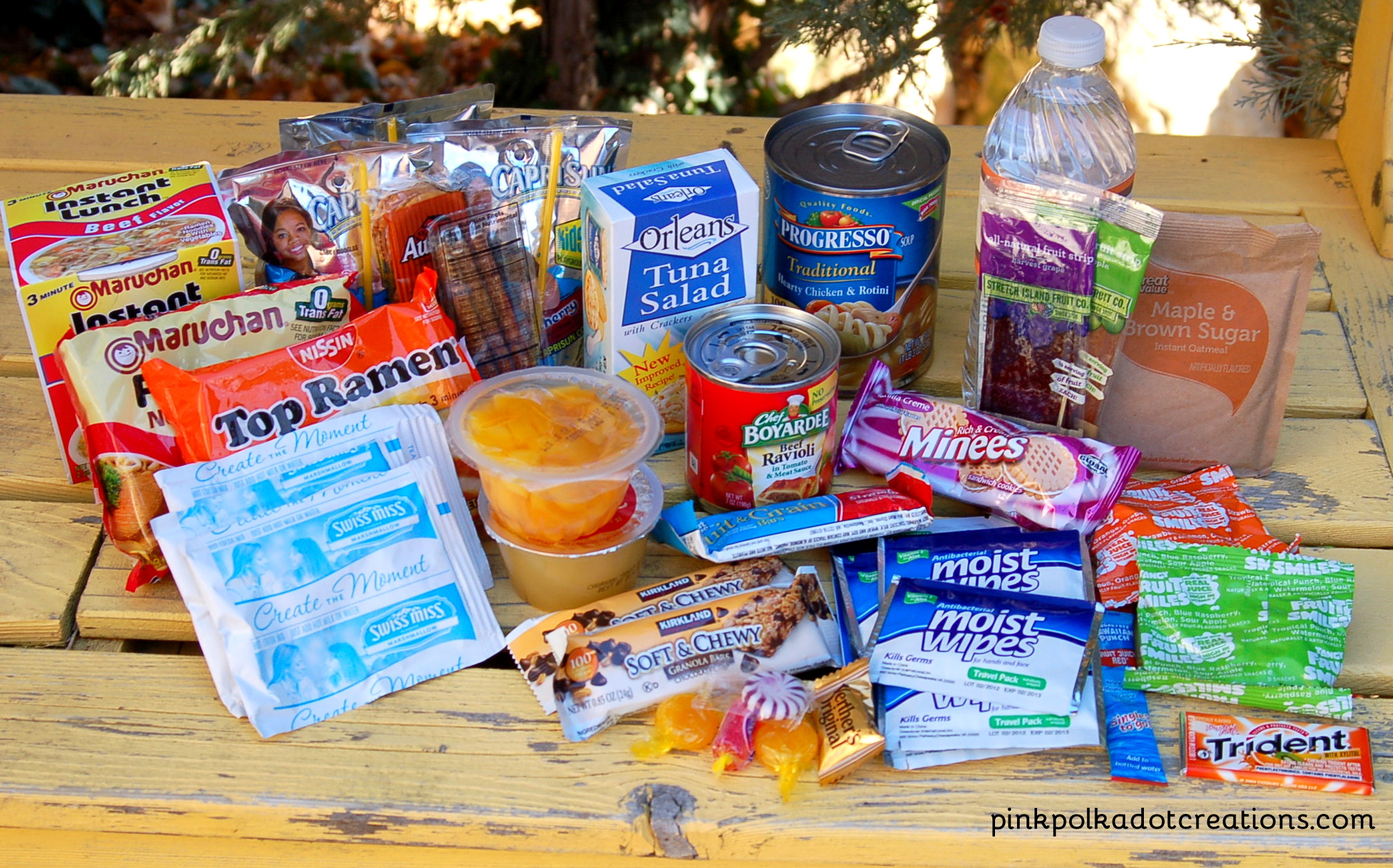
Rotate your stock regularly. Use the oldest items first and replace them with newer ones. This will help prevent spoilage and ensure that your kit is always up-to-date.
Storage: The Key to Longevity
Proper storage is key to maximizing the shelf life of your non-perishable foods. Store them in a cool, dark, and dry place.
Consider using airtight containers to protect them from pests and moisture. Nobody wants to open their emergency kit and find a family of mice feasting on their rice.
Don't forget to include a manual can opener! It sounds obvious, but you'd be surprised how many people forget this essential tool.
A Final Thought: Peace of Mind
Building an emergency kit is about more than just stocking up on food. It's about providing yourself with peace of mind.
Knowing that you have a supply of non-perishable foods on hand can help you feel more prepared and less anxious during times of uncertainty. Plus, it's kind of fun, in a weird, survivalist sort of way.
So, go forth and stock your pantry with these unsung heroes of the food world. You never know when they might come in handy. And who knows, you might even discover a new favorite snack along the way. Maybe it’ll be canned sardines!