
Non Metal And Non Metal Bonding

Hey there! Ever wonder what holds everything around us together? Like, your coffee cup, the air you breathe, even you? It's not magic, it's chemistry! But not the boring kind. We're diving into the wonderfully weird world of non-metal and non-metal bonding. Get ready, because these atoms are the ultimate team players!
Meet the Non-Metals: The Picky Eaters of the Atom World!
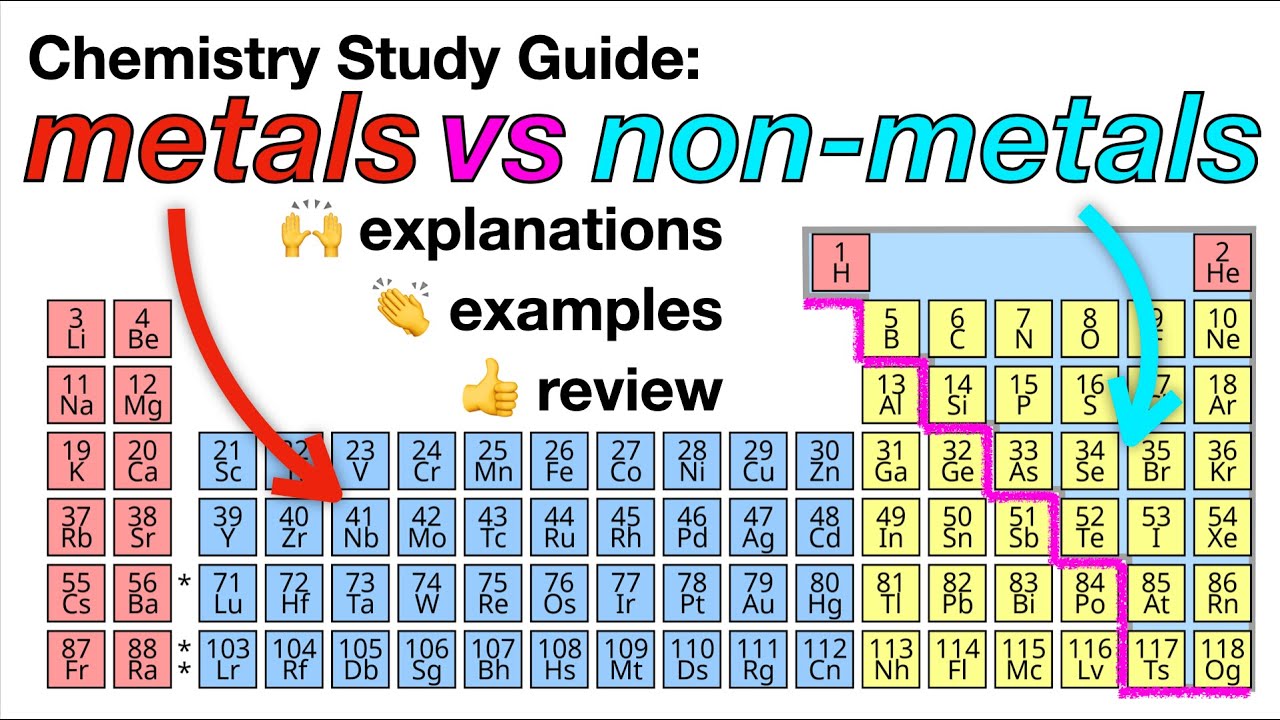
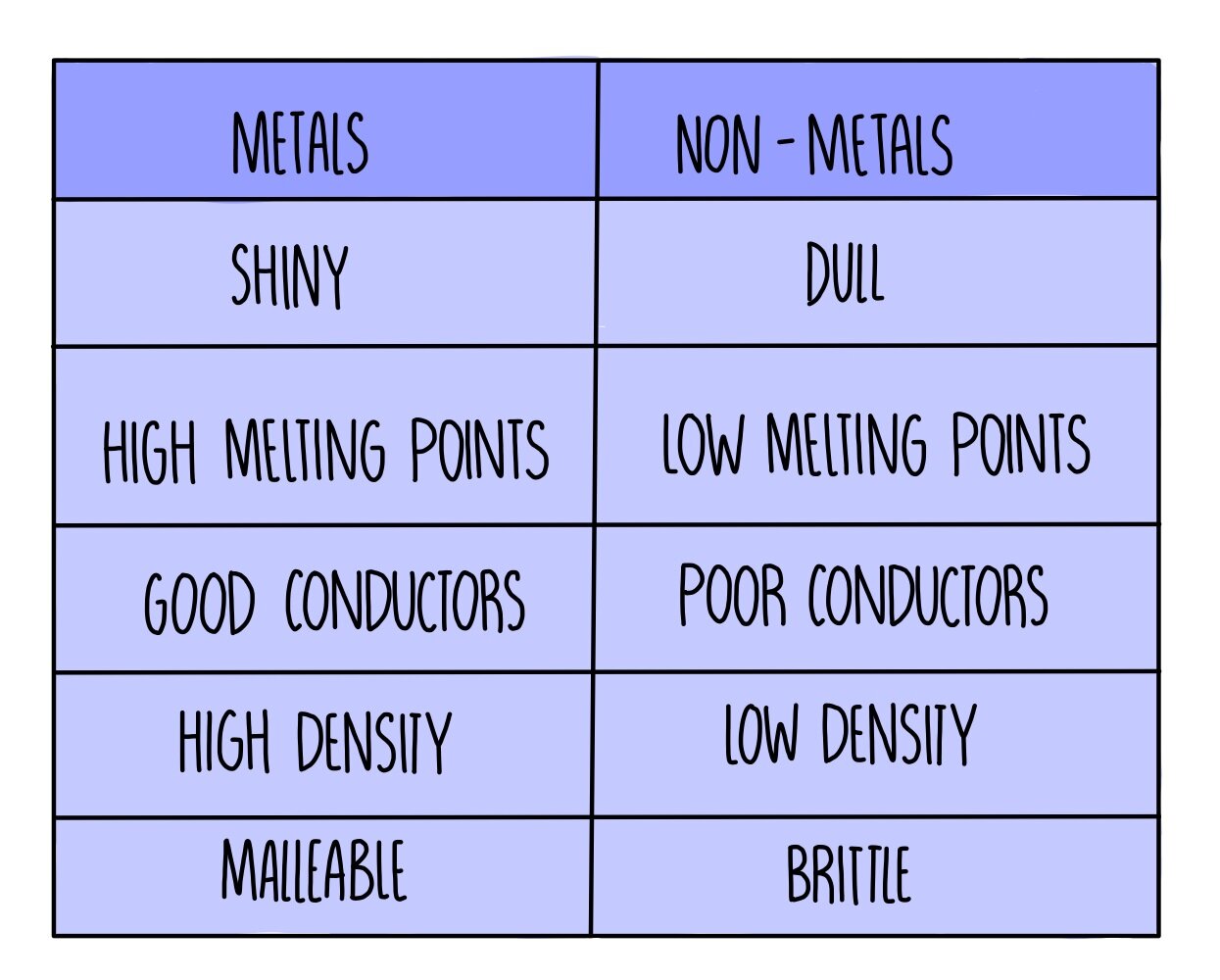
So, you know atoms, right? Tiny little building blocks. They've got electrons zipping around them. Now, some atoms are pretty chill. Metals, for instance, are happy to just give away their electrons. "Here, take 'em!" they say. But non-metals? Oh no, they're not so generous. They're more like, "My electrons? Nah, I'm keeping these!"
These non-metals are a diverse bunch. Think carbon, oxygen, nitrogen, hydrogen, chlorine. They’re basically everywhere. And what makes them so special is their tendency to share rather than give. It's like a potluck dinner where everyone brings a dish, instead of one person buying all the food.
Must Read
The Great Share-Fest: Covalent Bonding!
When two non-metal atoms meet, they don't exchange electrons. Instead, they decide to share them! This sharing forms a super strong connection called a covalent bond. Imagine two friends who both really want to play with the same super cool toy. Instead of one giving it to the other, they agree to play with it together, taking turns or just sharing the joy. That's a covalent bond!
Why do they do it? For stability! Atoms are happiest when their outermost shell of electrons is full. It's like having a full hand in a card game – totally satisfied. By sharing electrons, both non-metal atoms can feel like they have a full, happy outer shell. It's a win-win situation!

It's all about reaching that "eight is great" goal for most of them (the octet rule, but shhh, we won't get too technical). They literally hold hands through these shared electrons. How cute is that?
Everyday Magic: Where Non-Metal Bonds Shine!
Okay, so sharing is caring, but what does this mean for us? Loads! Covalent bonds are the invisible glue holding together so much of your world. Let's peek at some examples.
Water: The OG Power Couple (H₂O)!
First up, water! Yep, the stuff that makes up most of you, and pretty much all life. It’s two hydrogen atoms sharing electrons with one oxygen atom. A perfect little triangle of sharing! These bonds are so critical that if they didn't happen, water wouldn't exist. No water, no life. Mind blown, right?
And those covalent bonds give water all its amazing, quirky properties. Like how it sticks to itself (surface tension – hello, belly flops!) and how ice floats (weird for a solid, but crucial for aquatic life!). All thanks to sharing electrons!
Air: Your Invisible Roommate!
Take a deep breath. What are you inhaling? Mostly nitrogen (N₂) and oxygen (O₂). Both are non-metals bonded to other non-metals! Nitrogen atoms share three pairs of electrons – talk about commitment! Oxygen shares two pairs. Even carbon dioxide (CO₂), that bubbly stuff in your soda and the gas you exhale, is all non-metal goodness. It’s literally the air you breathe, powered by sharing.
Diamonds and Dreams: Carbon's Double Life!
Carbon is the ultimate non-metal superstar. It loves to bond! When carbon atoms share electrons in a super rigid, crystalline structure, what do you get? A diamond! The hardest natural substance on Earth. All thanks to incredibly strong covalent bonds.
But twist those same carbon atoms into flat sheets, and you get graphite – the slippery stuff in your pencil. Same atoms, same sharing, just a different arrangement. Talk about Jekyll and Hyde! It shows just how versatile these non-metal bonds can be.
Plastics: The Ultimate Team Players!
Look around you. Chances are, you see plastic. Your phone case, your water bottle, parts of your car. Most plastics are long chains of carbon and hydrogen atoms, all happily sharing electrons in seemingly endless covalent bonds. These polymers are incredibly strong and versatile, allowing us to mold them into countless shapes and uses. It’s a testament to the power of teamwork on an atomic level!
So, Why Is This So Cool?
Isn't it fascinating? The entire world, from the air you breathe to the most sparkling diamond, is built on these tiny, invisible acts of sharing. Non-metal and non-metal bonding isn't just a science fact; it's the story of compromise, cooperation, and creation at its most fundamental level.
It shows us that sometimes, the best way to be stable and happy isn't to take, but to share. These atoms teach us a pretty profound lesson, all while creating the amazing, diverse world we live in. So next time you sip water or admire a piece of plastic, give a little nod to those hardworking, electron-sharing non-metals. They're pretty awesome!