
Ni Cd Battery Vs Ni Mh Battery
Okay, hands up if you've ever had that ancient cordless phone that lived by your landline (remember those?) which, despite being "fully charged," would die faster than a smartphone on a TikTok binge after about two minutes of actual conversation. Or maybe it was that beloved RC car from your childhood, which required a small fortune in batteries just to run for ten glorious minutes. You'd charge it for hours, play for a bit, and then BAM! Flat. Again. Frustrating, right?
You'd think, "What gives? Is it just me, or are these batteries just… bad?" Well, dear reader, it wasn't always you. It was often the battery tech itself, and today we're going to dive headfirst into two of the biggest players from that era (and still somewhat relevant today for your AA/AAA rechargables): the good old Nickel-Cadmium (Ni-Cd) and its younger, supposedly cooler sibling, the Nickel-Metal Hydride (Ni-MH). Grab a virtual coffee, because we're about to get nerdy in a friendly way!
The OG: Nickel-Cadmium (Ni-Cd)
Let's start with the granddaddy, Ni-Cd. For a long time, these were the go-to rechargeable batteries for everything from power tools to, yes, those infamous cordless phones. They were rugged, could deliver a lot of power quickly, and generally didn't mind being treated a bit roughly. Sounds great, right? Well…
Must Read
The Ni-Cd battery had a rather notorious party trick, often referred to as the "memory effect." Ever heard of it? Basically, if you repeatedly charged a Ni-Cd battery before it was fully discharged, it would "remember" that lower discharge point. Over time, it would start behaving as if that partial discharge level was its new zero. So, even if it had more juice left, it would stop delivering power. It's like your phone deciding it's at 0% when it still has 30% battery, just because you always plugged it in at 30%. Annoying!
To combat this, you'd often hear advice like "fully discharge your Ni-Cd batteries before charging." This was a pain, but necessary to keep them happy and productive. They were also pretty good at high discharge rates, making them a favorite for things that needed a quick burst of energy, like those aforementioned power drills. But they had a dark secret… a truly toxic secret.

Ni-Cd batteries contain cadmium, a heavy metal that's not just bad for you, but incredibly bad for the environment. Disposing of these batteries improperly is a big no-no, and many places have now restricted or even banned their sale due to environmental concerns. So, while they were reliable in some ways, they came with a hefty ecological price tag. Oops.
The Successor: Nickel-Metal Hydride (Ni-MH)
Enter the hero! Or, at least, the intended hero. Ni-MH batteries arrived on the scene as the cleaner, more powerful successor to Ni-Cd. And for good reason!
The most immediate and obvious win for Ni-MH was their significantly higher energy density. What does that mean for you? Simple: more power, more runtime, in roughly the same physical package. Imagine fitting twice the conversation time into that cordless phone, or doubling the demolition time with your drill. That's a serious upgrade!
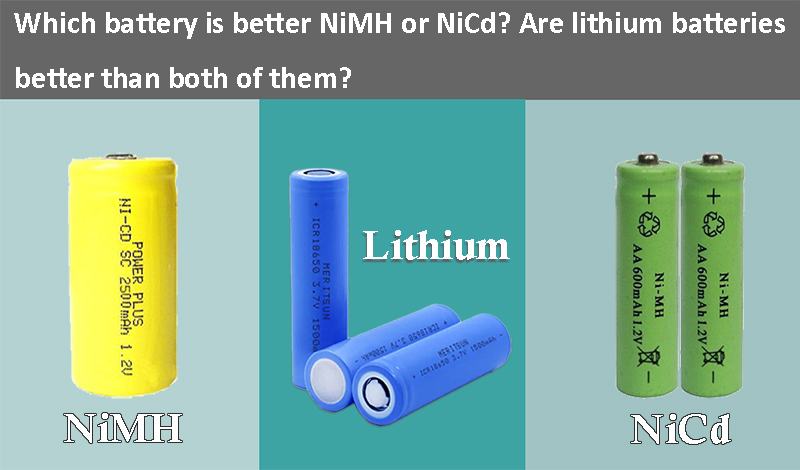
Another massive advantage? No cadmium! This made them far more environmentally friendly and easier (though still not ideal) to dispose of. So, you could feel a tiny bit less guilty about your battery habits. The memory effect, while not entirely eradicated, was also greatly reduced. You could pretty much charge them whenever you wanted without causing major long-term damage, which was a huge convenience boost.
But of course, there's always a "but," isn't there? Early Ni-MH batteries had a bit of a problem with self-discharge. They'd lose their charge just sitting around, often much faster than Ni-Cd batteries. You'd charge them up, leave them for a week, and find them half-dead. Annoying, right? Thankfully, manufacturers caught on, and "Low Self-Discharge" (LSD) Ni-MH batteries, like Panasonic's Eneloops, became widely available, pretty much solving this issue and making them a fantastic choice for everyday use.
So, Which One Wins the Battle Royale?
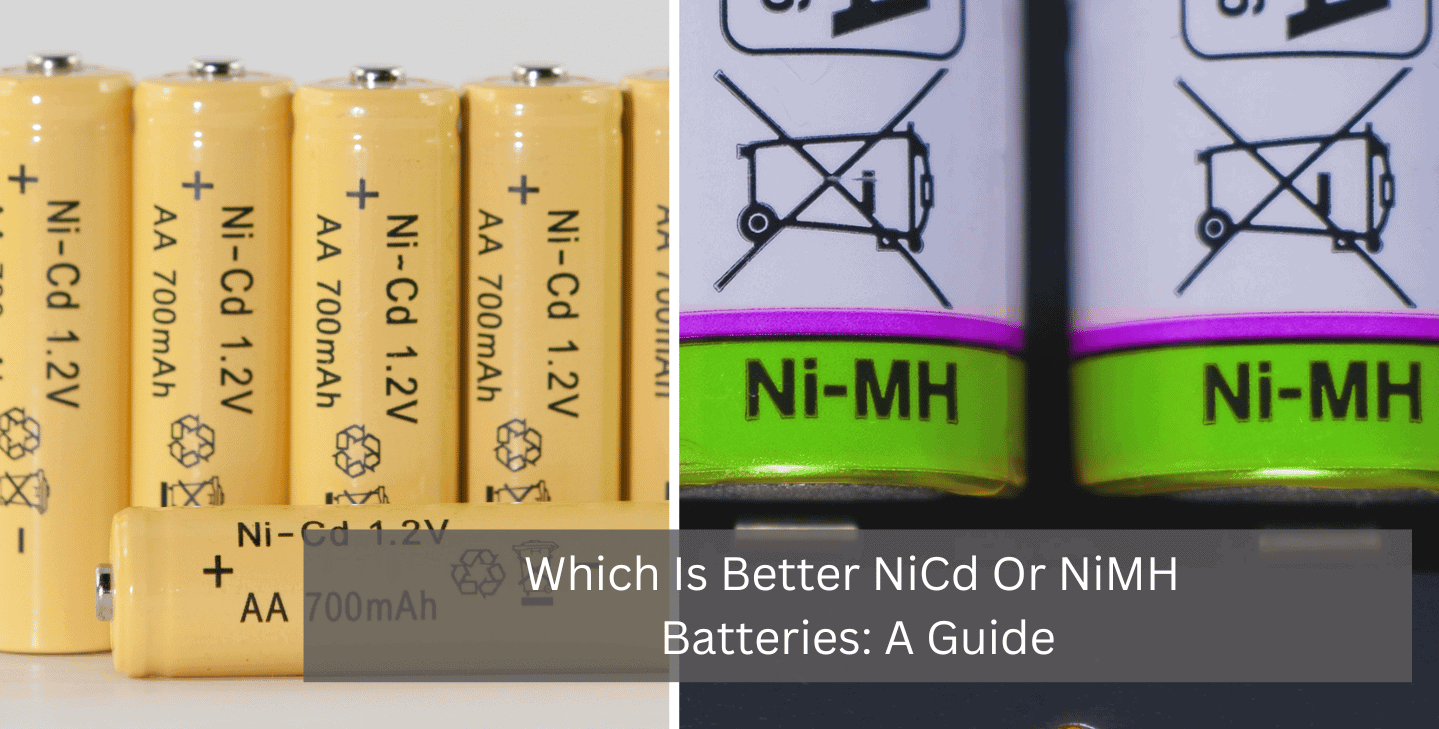
In most consumer applications today, Ni-MH batteries are the undisputed champions over Ni-Cd. They offer higher capacity, less memory effect hassle, and are vastly more environmentally friendly. If you're buying rechargeable AA or AAA batteries, you're almost certainly looking at Ni-MH (or maybe even some newfangled Lithium-ion versions).
Ni-Cd batteries have mostly faded into niche industrial applications where their extreme ruggedness, very high discharge rates, or ability to perform in very cold temperatures might still give them an edge. But for your remote controls, toys, and portable gadgets? Ni-MH all the way, especially the LSD versions. They're a testament to how battery technology has evolved to make our lives a little less frustrating and a lot more powered.
So, the next time your gadget hums along for ages on a single charge, take a moment to appreciate the journey these little power packs have taken. From the memory-laden, cadmium-filled past to the more powerful, greener present. It's a small change, but a pretty significant one in the grand scheme of keeping our digital lives running!
