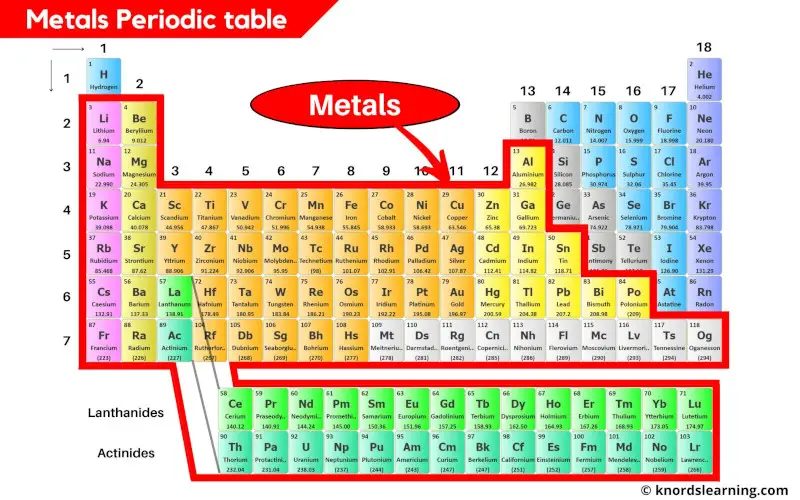
Ever wonder what gives a superhero's shield its shine, or a sculptor's statue its weight? Chances are, it's the magic of metals! These elements, making up the lion's share of the periodic table, are more than just scientific jargon; they're the unsung heroes of art, hobbies, and everyday life.
Why should you, an artist, hobbyist, or even just a curious soul, care about the metallic elements? Because understanding them unlocks a whole new level of creative possibility! For artists, knowing the properties of different metals allows for informed choices about durability, texture, and color. Imagine a sculptor choosing bronze for its rich, warm tones and weather resistance, or a jeweler selecting silver for its brilliant shine and malleability. Hobbyists can benefit by understanding which metals are best for crafting, soldering, or even creating unique patinas on their projects. And for the casual learner, simply grasping the role of metals in our world – from the copper wiring in our homes to the iron in our blood – offers a deeper appreciation for the interconnectedness of science and art.
The creative applications are endless. Think of the Art Deco era, defined by its sleek, geometric designs often incorporating chrome and stainless steel. Consider the intricate filigree work in jewelry, using the ductility of gold and silver to create delicate patterns. Or perhaps the bold, abstract sculptures forged from weathering steel, like those of Richard Serra, which transform over time with the elements. Even in painting, metallic pigments like gold leaf or iridescent acrylics can add a touch of glamour and depth. And don't forget the functional art of metalworking: blacksmithing, creating custom tools, or even repurposing scrap metal into stunning sculptures.
Want to experiment with the magic of metals at home? Start small! Here are a few tips:
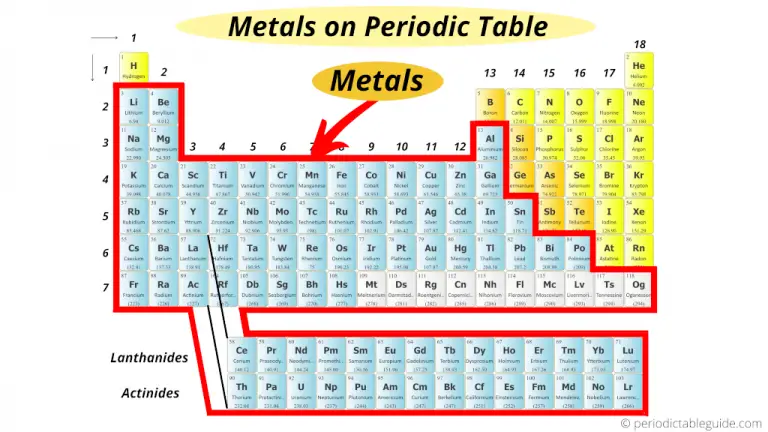
- Copper Embossing: Use a thin sheet of copper and simple tools to create raised designs.
- Metal Clay Jewelry: Work with silver or bronze clay, which can be molded like regular clay and then fired to create solid metal pieces. Easy and fun!
- Upcycled Metal Art: Collect discarded metal objects – old cans, bottle caps, wire – and transform them into sculptures or decorative pieces. Safety first: wear gloves and eye protection when cutting or manipulating metal.
- Explore Metallic Paints: Experiment with different metallic acrylics and watercolors to add shimmer and shine to your paintings or mixed media projects.
Remember to research safety precautions before working with any metal, especially when using heat or chemicals. There are tons of resources online and in libraries to help you learn the basics.
Ultimately, exploring the world of metallic elements is enjoyable because it connects us to something fundamental: the building blocks of our world. It's about understanding the properties that make these elements so unique and then using that knowledge to create something beautiful, functional, or simply interesting. It's about seeing the potential hidden within seemingly ordinary materials and transforming them into something extraordinary. It's fun because it sparks curiosity, encourages experimentation, and allows us to connect with the world around us in a whole new way. So go ahead, embrace the metallic side of creativity and see what wonders you can forge!