Think about a breezy summer day. The sun is shining, the birds are singing, and a gentle wind is rustling through the leaves. What's more enjoyable than feeling that refreshing air on your skin? Wind, in its raw form, is often associated with freedom, relaxation, and even adventure. But did you know that harnessing this natural force, through wind power, offers a wealth of benefits that extend far beyond a pleasant afternoon?
Wind power, simply put, is the process of converting wind energy into electricity using wind turbines. These turbines, with their iconic spinning blades, are becoming increasingly common sights across the globe. But why the growing interest? The answer lies in the significant advantages wind power offers to both our everyday lives and the planet as a whole.
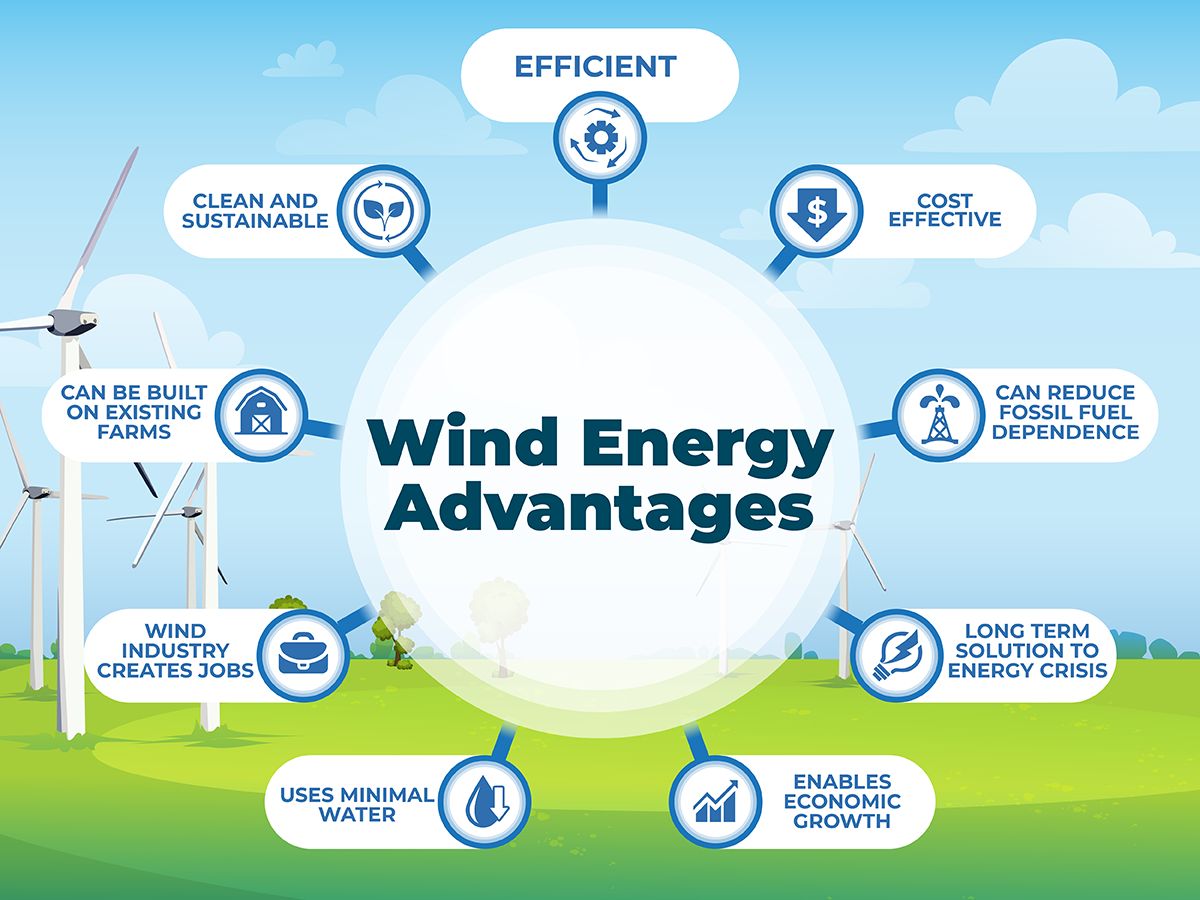
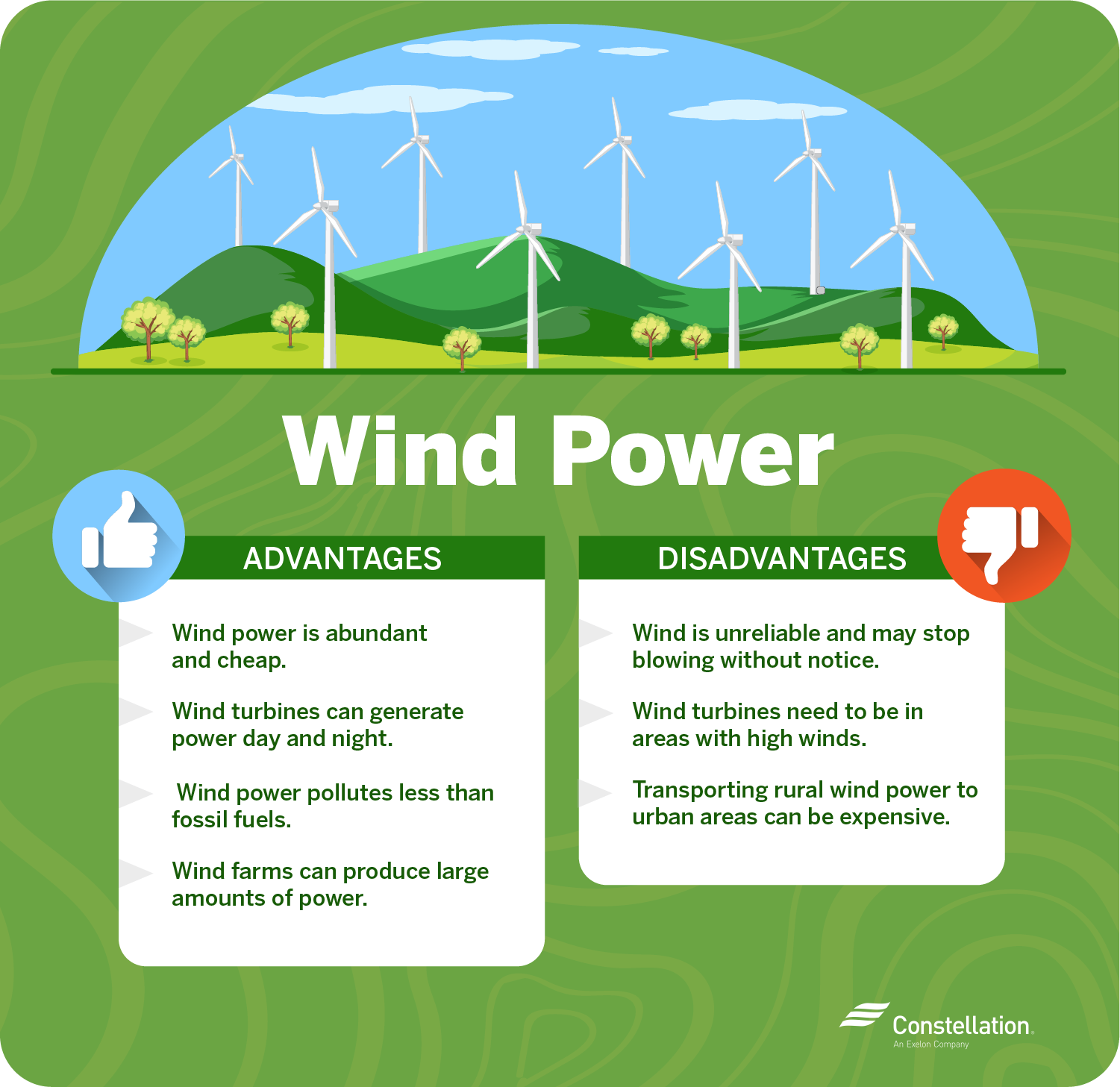
One of the biggest benefits is that wind power is a renewable energy source. Unlike fossil fuels, which are finite and contribute to climate change, wind is constantly replenished by the sun's energy. This makes wind power a sustainable and environmentally friendly option for meeting our growing energy demands. By relying on wind energy, we can reduce our dependence on fossil fuels and lower greenhouse gas emissions, contributing to a cleaner and healthier planet for future generations.
Beyond its environmental advantages, wind power also offers economic benefits. Wind farms can create jobs in manufacturing, construction, and maintenance. They can also provide income to landowners who lease their property for wind turbine development. Furthermore, as the technology continues to improve and the cost of wind power decreases, it becomes an increasingly competitive alternative to traditional energy sources, ultimately leading to lower energy bills for consumers.
You'll find examples of wind power all around you. Large-scale wind farms are often located in open, windy areas, such as plains and coastal regions. These wind farms generate electricity that is fed into the power grid and distributed to homes and businesses. Smaller wind turbines can also be used to power individual homes or businesses, especially in rural areas with limited access to the power grid. Even sailing, using the wind to propel boats, is a form of utilizing wind power for transportation and recreation.
So, how can you appreciate and utilize wind power more effectively? Here are a few practical tips:
- Support policies that promote renewable energy: Advocate for government initiatives that encourage the development of wind power and other renewable energy sources.
- Choose a green energy provider: If you have the option, select an electricity provider that sources its power from renewable sources, including wind.
- Conserve energy: By reducing your overall energy consumption, you can lessen the demand for all energy sources, including fossil fuels. Simple actions like turning off lights when you leave a room and using energy-efficient appliances can make a big difference.
- Learn more: Educate yourself about wind power and other renewable energy technologies. Understanding the benefits and challenges associated with these technologies will empower you to make informed decisions and contribute to a more sustainable future.
In conclusion, wind power offers a compelling solution to our energy needs, providing a clean, sustainable, and economically viable alternative to traditional fossil fuels. By embracing wind power and other renewable energy sources, we can create a brighter and more sustainable future for ourselves and generations to come. The next time you feel a gentle breeze, remember the power it holds and the potential it offers for a cleaner, healthier world.