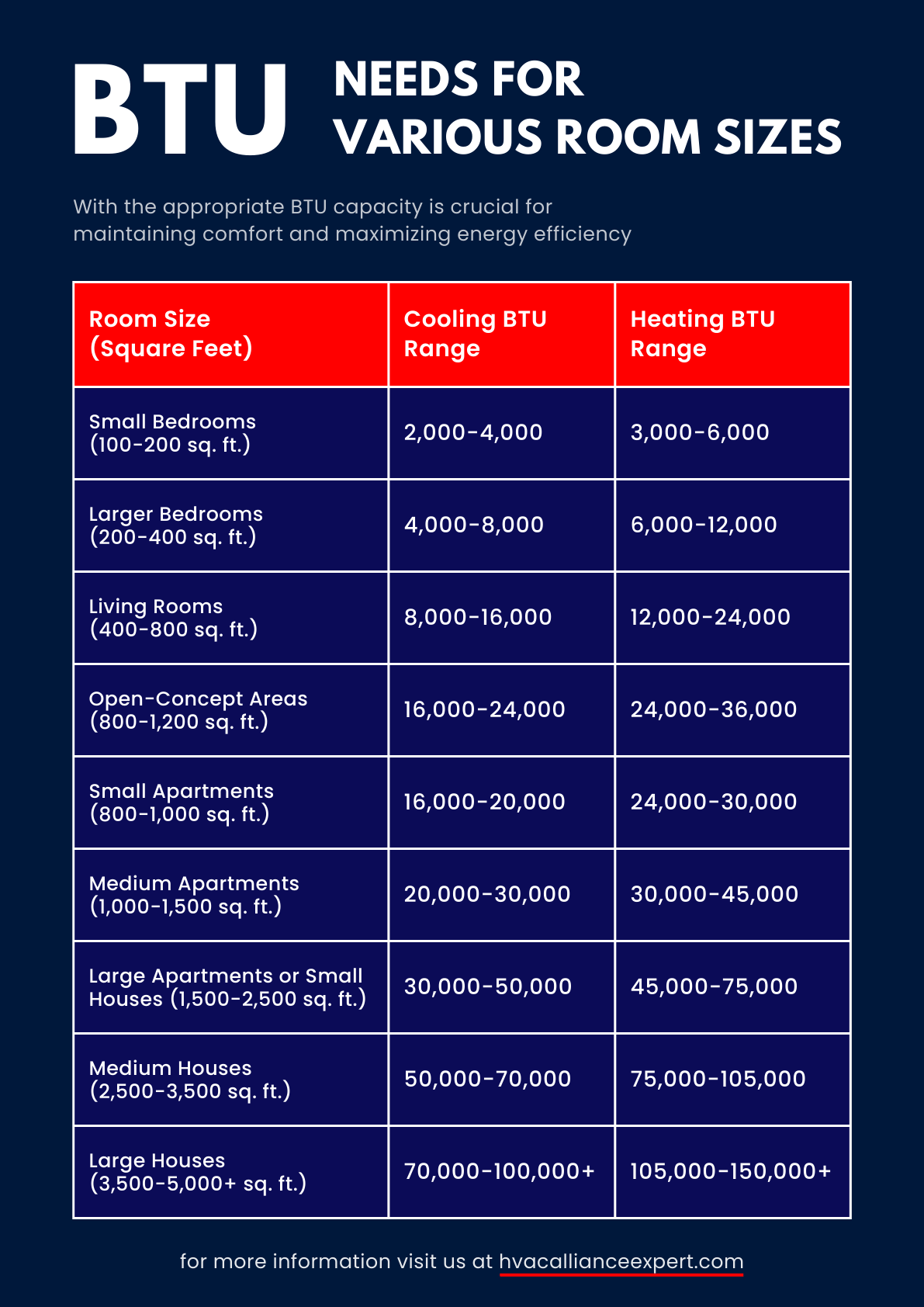
Alright, picture this: You're me, last summer. Sweating like a yeti in a sauna, wondering why my electricity bill looked like a ransom note. Turns out, I'd been trying to cool my 1000 square foot apartment with a window unit that probably belonged in a phone booth. So, I did what any self-respecting, slightly desperate person would do: I dove headfirst into the wild world of BTUs!
And let me tell you, it's a jungle out there. But fear not, my friends! I’m here to guide you, armed with questionable analogies and hard-won wisdom, on your quest to determine just how many BTUs you need for 1000 square feet.
BTUs: What are These Mysterious Things, Anyway?
Okay, so BTUs. It stands for British Thermal Units. Sounds important, right? Well, it is! Think of a BTU as a tiny little energy packet. Specifically, it’s the amount of energy needed to raise the temperature of one pound of water by one degree Fahrenheit. Now, unless you're planning on heating up a swimming pool with your AC unit (don't), that probably doesn't mean much. Just remember: More BTUs = more cooling power. Like comparing a chihuahua to a grizzly bear – both dogs, vastly different cooling abilities.
Ignoring BTUs is like trying to bake a cake without knowing the temperature. You might get something edible, but it's more likely you'll end up with a charcoal briquette. Trust me, burnt cake is a sad, sad thing.
The 5,000 BTU Rule (and Why It's Probably Wrong)
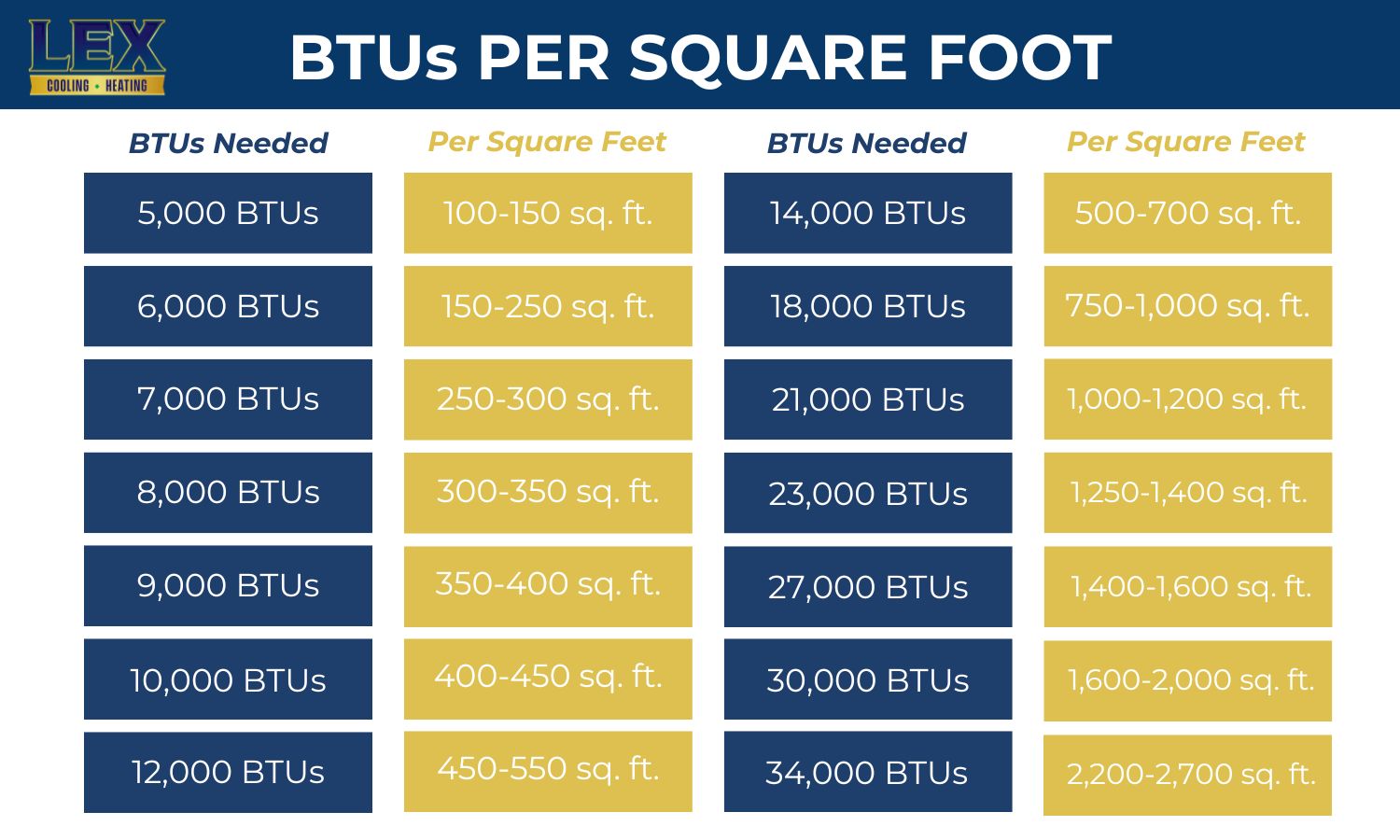
Now, you might hear whispers of a magical "5,000 BTU for every 250 square feet" rule. That's like saying all houses are made of gingerbread – charming, but wildly inaccurate. While it's a starting point, it's about as reliable as a weather forecast in April. Following it blindly could leave you shivering in July or roasting in December. It depends on so many factors!
Factors, Factors Everywhere! (and How to Tame Them)
So, what are these pesky factors? Let's break them down:
- Location, Location, Location: Are you in sunny Arizona or chilly Maine? The hotter the climate, the more BTUs you’ll need. Think of it like sunscreen – you need a LOT more when you're baking on a beach than when you're hiding in a cave.
- Sunshine Situation: Does your 1000 square feet get direct sunlight all day long? If so, you’ll need more BTUs. Sunlight is basically nature's oven, and you're the chicken.
- Insulation Inspection: Is your insulation up to par? Poor insulation means your AC has to work harder to maintain the temperature, thus, more BTUs are required. Imagine trying to keep ice cream frozen in a cardboard box on a hot day – it’s not going to end well.
- Ceiling Height Fright: High ceilings mean more volume to cool. It’s simple physics, really. Think of it like trying to fill a swimming pool versus a bathtub.
- People, People Everywhere: More people means more body heat. Every person is basically a tiny little furnace. If you regularly host large gatherings, factor that in. Unless everyone's a robot, generating 0 body heat.
- Appliance Alliance: Are you running a server farm in your living room? (Please don't). Appliances generate heat. The more heat-generating appliances you have, the more BTUs you'll need. Your refrigerator is not your friend in this scenario.
See? It's not just a simple math equation! It's more like a complicated relationship with your house and the sun.

So, What’s the Magic Number? (Probably Around 18,000)
Okay, okay, I know you’re screaming for a number. So, for a generally average 1000 square foot space, you're probably looking at around 18,000 BTUs. But that's a very rough estimate!
Here's a better way to approach it:

- Start with the 5,000 BTU per 250 square feet rule. That gives you 20,000 BTUs for 1000 square feet.
- Adjust based on the factors above.
Sunny location? Add 10-20%.
*Poor insulation? Add 10%.
*High ceilings? Add 10%.
*Lots of people/appliances? Add more! (Use your best judgement here. Maybe 500-1000 BTUs per person/major appliance). - If the factors push you past 20,000 BTUs, then it's time to consult a professional. Seriously.
Don't forget! It’s always better to err on the side of slightly *more BTUs than too few. An underpowered AC unit will run constantly and struggle to cool the space, leading to higher energy bills and a shorter lifespan for the unit. A slightly overpowered unit will cycle on and off, saving energy in the long run.
The Final Word (and a Plea for Help)
Finding the right BTU level for your 1000 square feet is a bit of an art and a bit of a science. It’s about understanding your specific needs and the unique quirks of your living space. Don't be afraid to do some research, ask for advice, and maybe even consult a professional HVAC technician.
And if you figure out a way to perfectly calculate BTUs using only a rubber band and a potato, please, please let me know. My electricity bill – and my sanity – will thank you!