Natural Gas Price Per Mcf Today
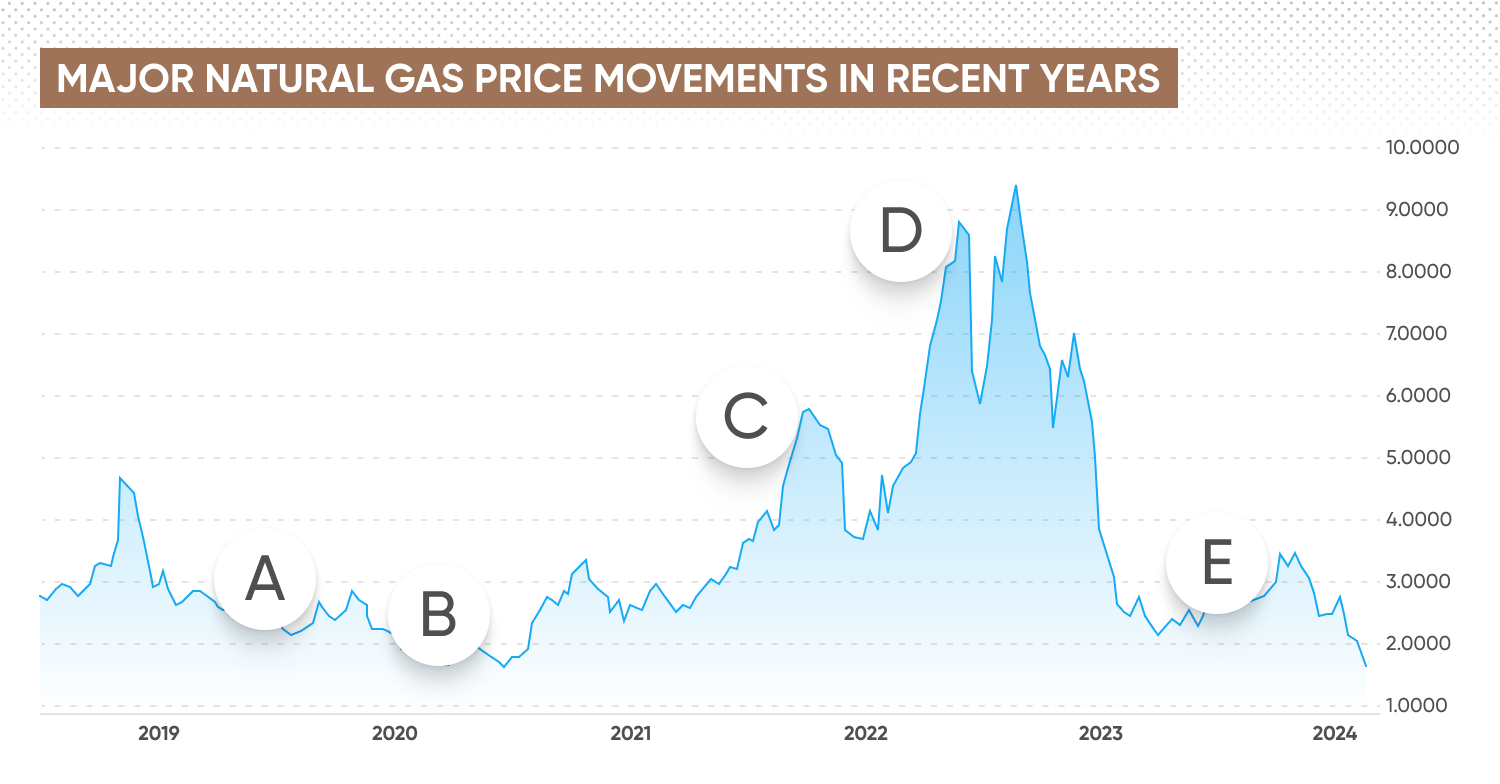
Ever peeked at your utility bill and wondered what on earth "Mcf" means or why the price of natural gas seems to dance around? Well, you're not alone! While it might sound a bit dry, diving into the world of natural gas prices can actually be quite fascinating and incredibly useful for anyone looking to understand their home expenses better. It’s not just for energy gurus; it’s about grasping one of the fundamental forces that keeps our homes warm, our water hot, and our meals cooking.
So, why bother with the natural gas price per Mcf today? For the everyday beginner, it’s about demystifying your bill. Knowing a little about it helps you understand why your heating costs might go up in the winter or down in the summer. For families, this knowledge is a powerful budgeting tool. Imagine being able to anticipate potential spikes in your energy costs, allowing you to plan ahead or make smart choices about energy consumption. And even for home hobbyists, perhaps those interested in smart home technology or eco-friendly living, understanding natural gas trends can help optimize energy efficiency projects and investments.
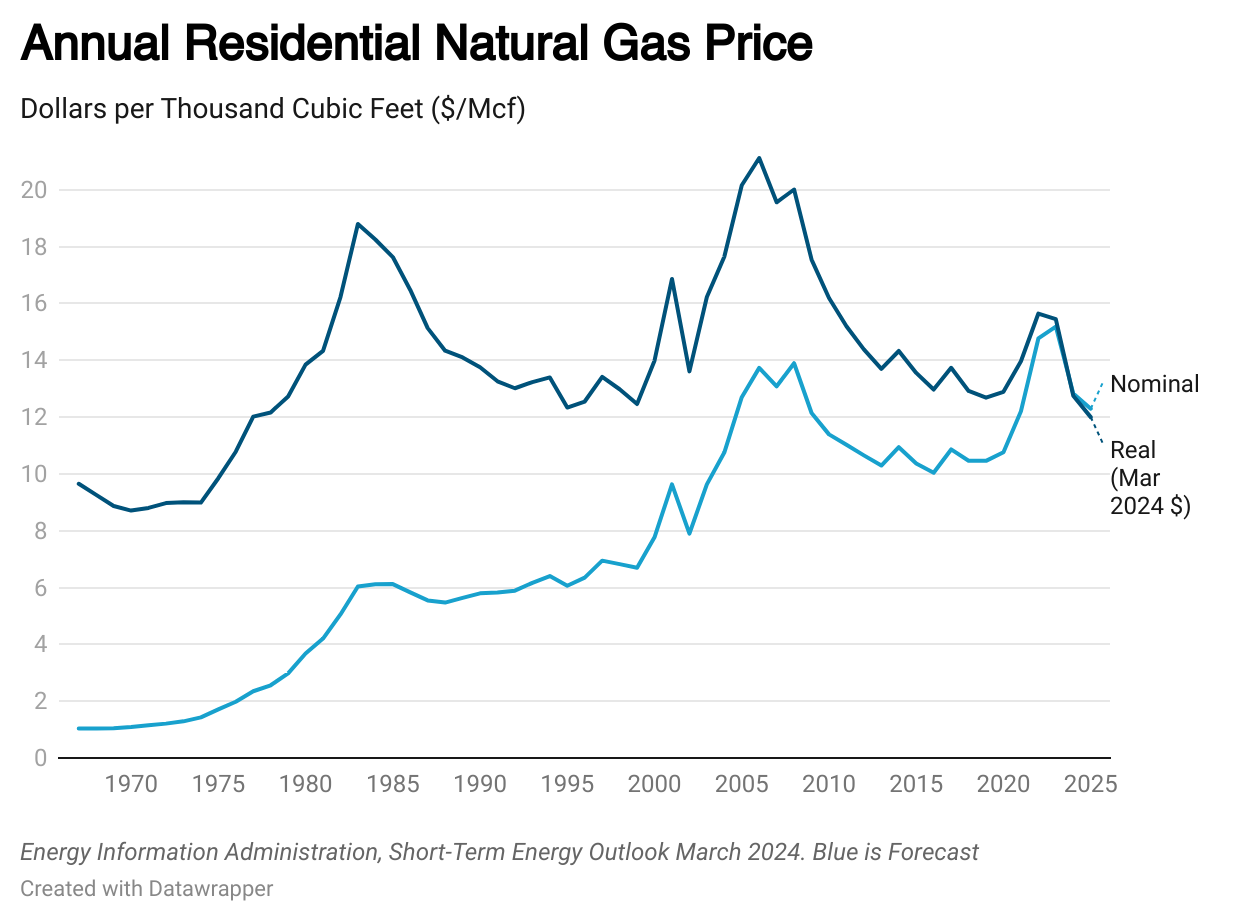
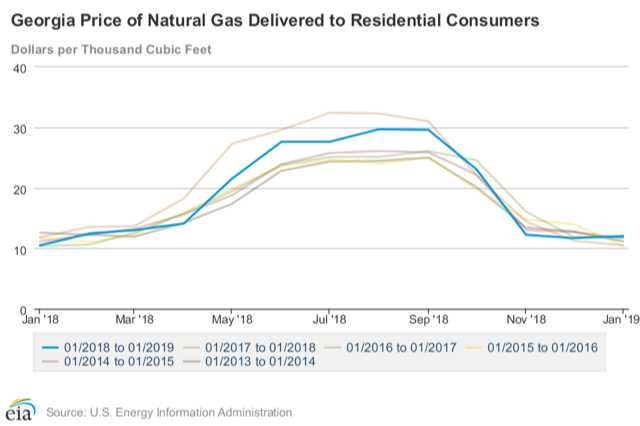
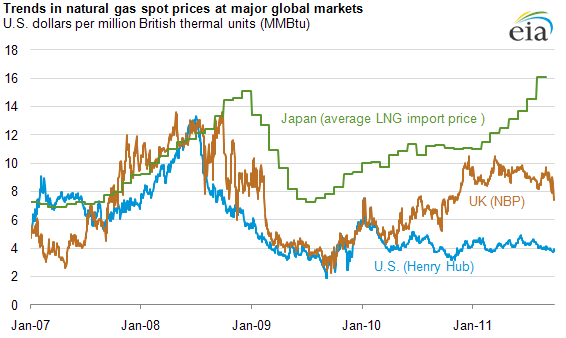
Let's break it down a bit. When we talk about "natural gas price per Mcf," we're essentially talking about the cost of a specific amount of natural gas. Mcf stands for "one thousand cubic feet." Think of it like buying gasoline by the gallon, but for gas that heats your home. Prices can vary quite a bit, not just from day to day, but also seasonally and regionally. For instance, a brutally cold winter in one part of the country can drive up demand and prices there, which might not be reflected in a milder region. You'll often see different prices for residential customers versus large industrial users, and even within residential rates, there might be fixed-rate plans versus variable ones. The "today" price you often hear about on the news usually refers to the wholesale market price, which eventually filters down to what you pay on your bill.
Must Read
Getting started with understanding this isn't hard at all! First, check your own utility bill. It’s the most direct source of information about what you are actually paying. Look for the rate per unit – sometimes it’s per therm, sometimes per CCF (hundred cubic feet), or Mcf. Once you know your unit, you can easily compare it. You can also explore reputable online sources like the U.S. Energy Information Administration (EIA) website, which provides tons of data and forecasts on natural gas prices. Don't feel pressured to track daily fluctuations like a stockbroker. Instead, focus on understanding the general trends: Are prices generally going up or down? What factors (like extreme weather forecasts) might influence them?
Ultimately, understanding the natural gas price per Mcf isn't about becoming an energy market expert; it's about becoming a smarter, more informed consumer. It’s empowering to look at your bill and grasp why the numbers are what they are. By taking a little time to understand this fundamental part of our energy landscape, you'll gain valuable insight into managing your household expenses and making more conscious energy choices, bringing a bit more clarity and control into your daily life.