
Natural Gas Mmbtu To Cubic Feet

Alright, gather 'round, curious minds! Have you ever wondered about the invisible powerhouse that keeps your home cozy in winter, whips up delicious dinners, and even dries your laundry? We're talking about natural gas, folks – the unsung hero of countless households! It’s a fantastic, fiery friend we often take for granted, but trust me, there’s some seriously cool science bubbling beneath the surface (pun absolutely intended!).
Today, we’re diving into a little mystery that sounds super technical but is actually a blast: the grand transformation from Natural Gas MMBtu to Cubic Feet. Sounds like a wizard's spell, right? Fear not, intrepid energy explorers, because we’re going to demystify it with giggles and gusto!
The Dynamic Duo: MMBtu and Cubic Feet!
Imagine you're at a magical market, wanting to buy natural gas. You're faced with two seemingly different ways to measure it. It’s like buying a magnificent cake – do you measure it by its pure joy and deliciousness ("sweetness power"), or by the size of the box it comes in ("cakey volume")? This, my friends, is our MMBtu vs. Cubic Feet conundrum!
Must Read
Meet MMBtu: The Energy Alchemist!
First up, the magnificent MMBtu. Don't let the scary acronym (it stands for Mega Million British Thermal Units – shhh, don’t tell anyone!) throw you off. Think of MMBtu as the ultimate "oomph" factor, the pure, unadulterated energy content of your natural gas. It’s not about space, but rather, how much heat it can produce.
MMBtu is the energy superhero of our story! It’s like the battery life of a super-powered gadget, or the muscle power of a champion weightlifter. It’s all about potential energy, ready to burst into action and warm your world!
When you buy natural gas, you’re essentially buying its heat-producing potential. You’re not buying a specific volume of gas; you’re buying its ability to do work. One MMBtu is a colossal amount of energy – enough to heat a good-sized home for a day or two, making your furnace purr like a happy kitten!
And Then There’s Cubic Feet: The Space Explorer!
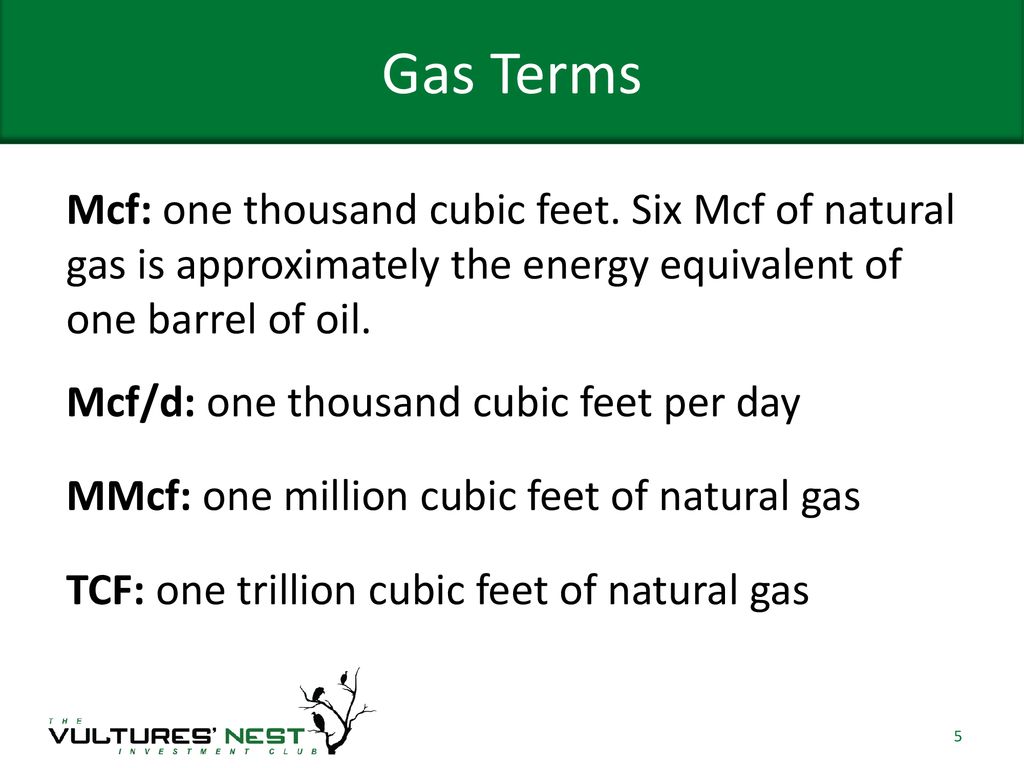
On the other side, we have Cubic Feet. This one is much more straightforward. It simply measures the volume of the gas. Imagine an invisible box, one foot long, wide, and high. That's one cubic foot! Now, fill that box with natural gas.
Cubic Feet tells us how much physical space the gas occupies. It's like measuring air in a balloon, or water in a swimming pool. It’s a tangible, practical measurement of quantity.
This is how natural gas is typically metered at your home. Your gas meter spins based on how much volume flows through it. It’s the practical, everyday way we track how much gas you’re actually using from the pipes.
The Grand Conversion: MMBtu to Cubic Feet – The Magic Link!
So, here's the burning question: how do we connect these two fantastic concepts? We've got energy (MMBtu) and volume (Cubic Feet). How do we know how much physical gas delivers a certain amount of energy?

This is where the magic happens! Natural gas isn't always identical; its energy content varies slightly by source. But generally, one cubic foot of natural gas contains roughly 1,028 BTUs (British Thermal Units). Remember, MMBtu is a million BTUs.
So, to get one MMBtu, you'd need approximately 973 cubic feet of natural gas! Isn't that wild? You need almost a thousand invisible cubic-foot boxes of gas to deliver one mighty MMBtu of pure heating power! It's like needing 973 tiny magic beans to grow one colossal beanstalk of warmth!
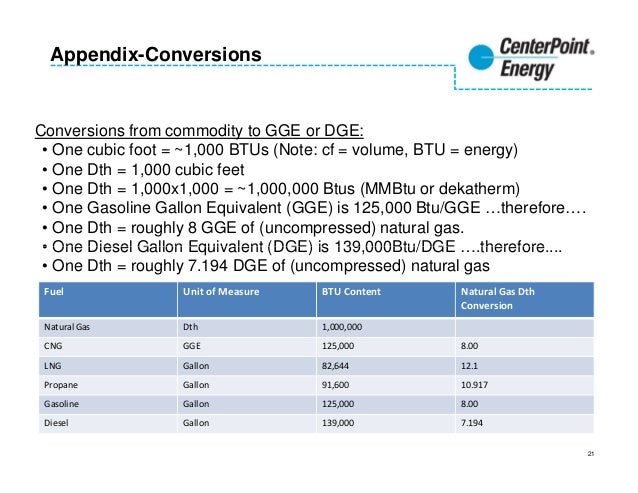
This conversion is super important for utilities, energy traders, and anyone wanting to understand their energy bill. Gas might be sold by its energy content (MMBtu), but it’s delivered and measured at your door by its volume (Cubic Feet). This conversion factor is the secret handshake connecting the power plant to your stove top!
Why Does This Matter to YOU?
Well, for one, it's just plain fascinating! Knowing this secret makes you an instant energy guru. More practically, understanding that gas has both an energy value and a volume helps us appreciate the complexity behind turning on your stove.
It shows that the natural gas industry isn't just shipping "stuff"; they're shipping energy. And that energy, cleverly packaged in those invisible cubic feet, keeps our lives comfortable, convenient, and deliciously warm. So next time you feel that lovely warmth from your furnace, give a little nod to the incredible journey of MMBtu transforming into those essential Cubic Feet! You're now in on the secret!
