
Natural Gas Is An Example Of
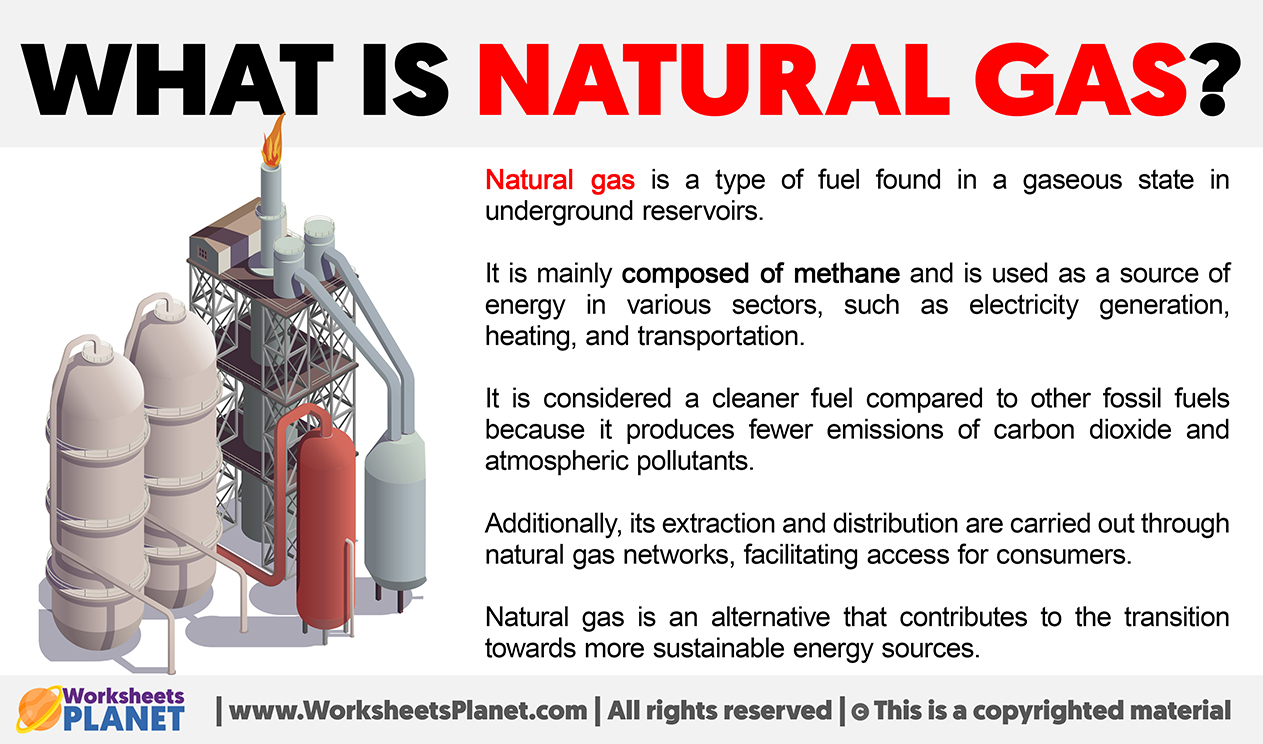
Ever wondered what natural gas really is? Beyond just firing up your stove or keeping your house toasty? Well, get ready for a mind-blower, because natural gas is a fantastic example of something super cool and ancient: a fossil fuel!
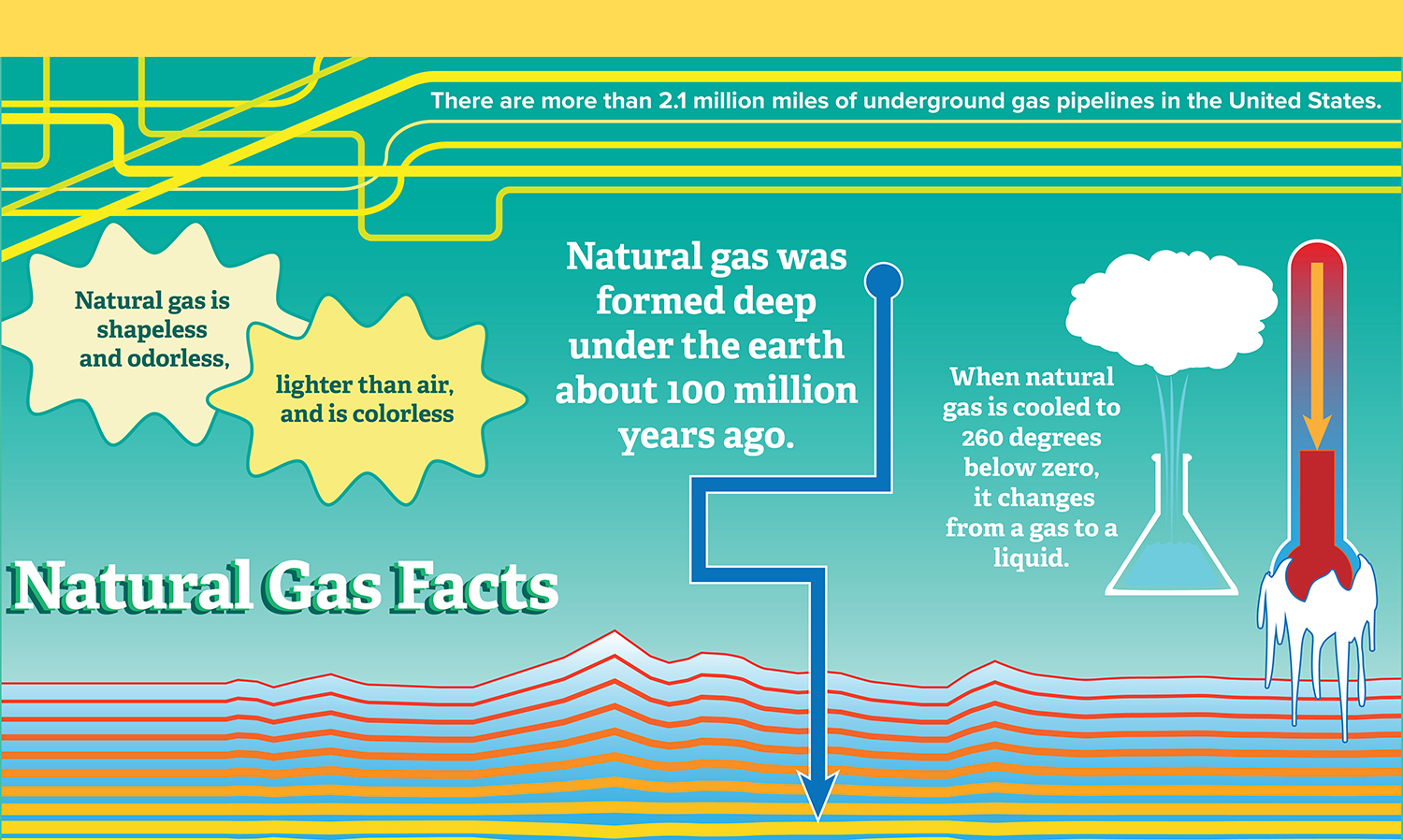
Yeah, you heard that right. Fossil. As in, old, dead stuff. But not just any old dead stuff. We’re talking about the remains of tiny plants, animals, and even some seriously colossal dinosaurs and prehistoric swamp monsters that lived millions and millions of years ago. Imagine them chilling out, living their best lives, then poof! They shuffle off their mortal coils, sink to the bottom of ancient oceans and swamps, and get buried. Deep, deep down.
Over eons—and we're talking about a time scale that makes your grandma's "back in my day" stories sound like yesterday—these buried organic goodies get squished. And heated. We’re talking intense pressure and heat from all the layers of earth piled on top. It’s like nature’s very own super-slow, super-hot pressure cooker!
Must Read
And what emerges from this incredible, geological chef-d'oeuvre? Ta-da! Natural gas! Primarily, it’s made of methane. That’s a chemical compound, simple as can be, just one carbon atom and four hydrogen atoms hanging out. But oh, what a powerful combo they make!
It's Invisible! And Odorless! (Usually!)
Here’s a quirky fact for you: pure natural gas is actually odorless and invisible! Yep, like a sneaky ninja energy source. So, if there were a leak, you’d never know. Pretty terrifying, right?
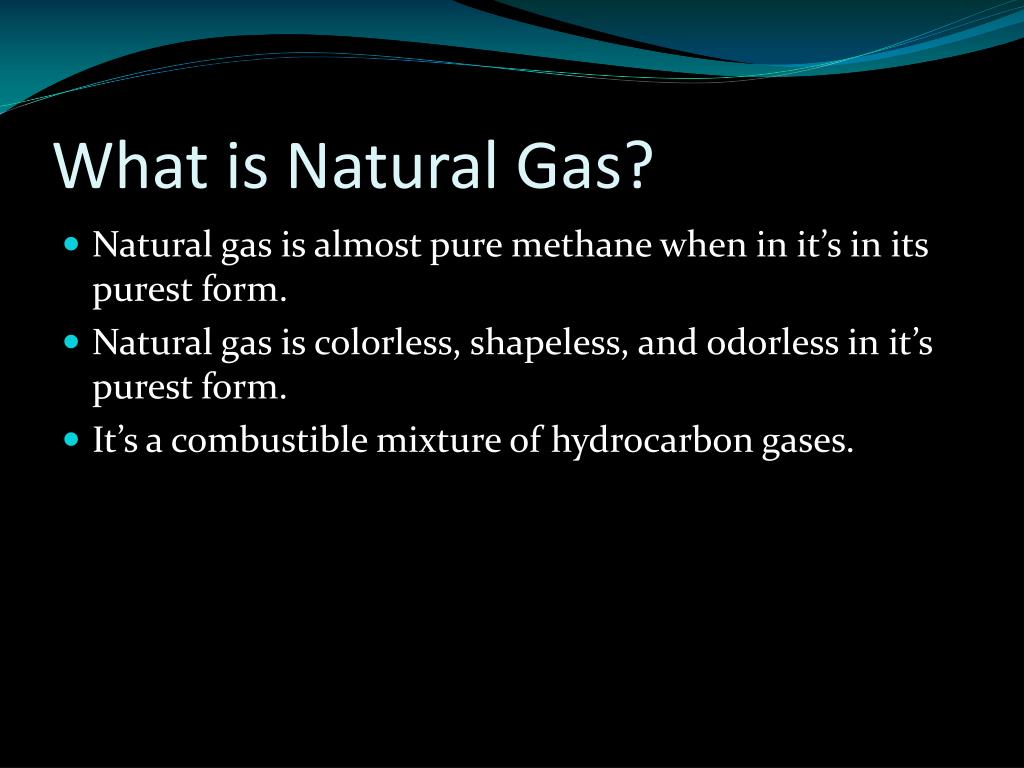
That’s why, for safety, gas companies add a special chemical called mercaptan. It smells like rotten eggs, or sometimes even old cabbage. So that distinctive "gas smell" you recognize? It’s not the natural gas itself, but its stinky bodyguard! Pretty smart, huh? It’s basically natural gas wearing a smelly disguise so we can all be safe.
Think about it: billions of years ago, a microscopic plant drifted in a primordial sea. Today, its energy is heating your pizza. Talk about a glow-up! Natural gas is truly a gift from the past, powering our present in countless ways.
An Ancient Powerhouse
So, natural gas is an example of a hydrocarbon. That just means it’s made of hydrogen and carbon atoms. Lots of our energy sources are hydrocarbons, like oil and coal. They're all part of the same ancient, buried-treasure club.
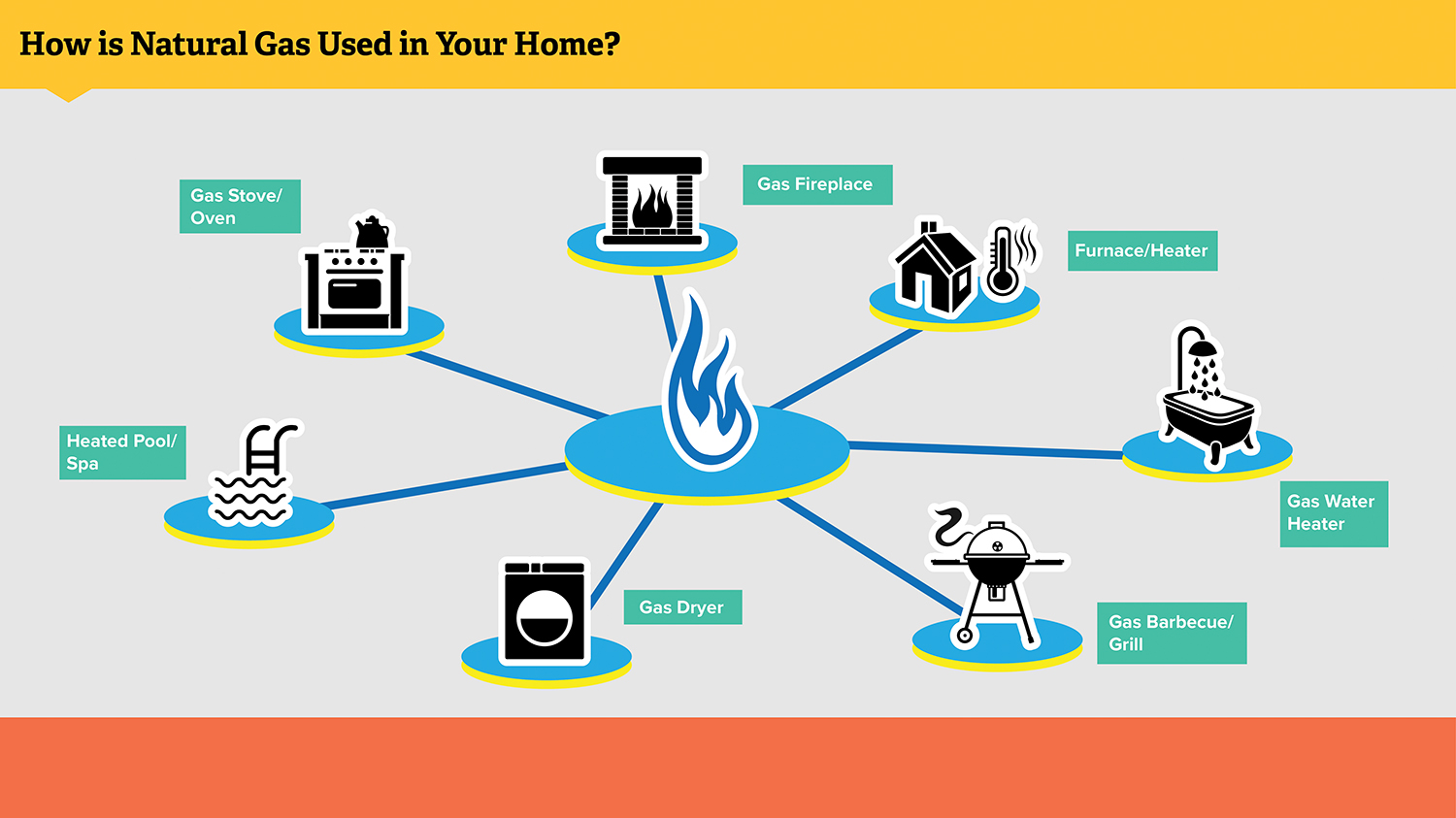
We use this ancient gas for everything! It generates electricity, heats homes, powers industrial machinery, and even helps create some plastics and fertilizers. It’s like the Swiss Army knife of energy sources, incredibly versatile and surprisingly abundant (though not infinite, more on that in a sec!).
Did you know natural gas flares—where excess gas is burned off at oil wells—can be seen from space? It's like giant, fiery lighthouses saying, "Hey, we found more ancient goodness down here!"

Non-Renewable? Yep!
And here’s the slightly less fun but super important part: natural gas is also an example of a non-renewable energy source. What does that mean?
It means we’re using it way, way faster than Mother Nature can make it. Remember those millions of years of squishing and heating? Yeah, that process isn't exactly a quick weekend project. So, once we dig it up and burn it, it’s gone. Poof! No refills for our lifetimes, or our grandkids' grandkids' lifetimes, and so on.
This makes natural gas a precious resource, a finite gift from deep beneath the Earth's surface. It's a reminder of the incredible, slow-motion alchemy that happens in our planet's crust.
From Ancient Swamps to Your Smart Home
So, the next time you flick on your gas stove or feel that lovely warmth from your furnace, take a moment. You’re not just using a simple fuel. You're tapping into the stored energy of countless organisms from a world that existed before humans even dreamed of walking upright!
You’re literally burning the ghosts of ancient swamps and seas. How cool is that?! It’s a testament to the Earth’s incredible power to transform life into energy. Natural gas truly is one of nature's most fascinating and fundamental examples of a fossil fuel, a powerful hydrocarbon, and a mighty non-renewable energy source. Pretty neat for something that smells like rotten eggs, right?