Natural Gas How Much Is Left
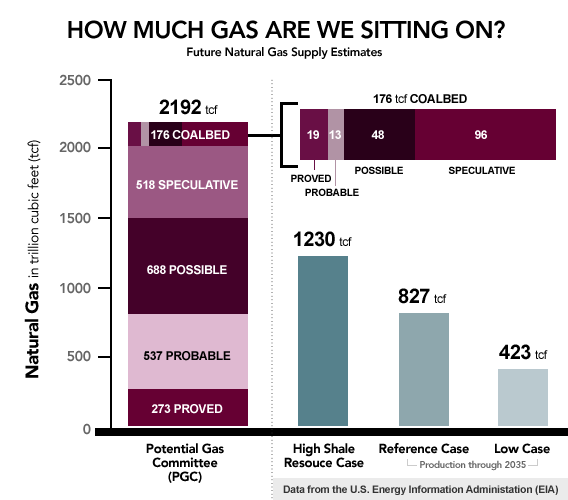
Ever wondered about the big picture behind the flame on your gas stove or the warmth from your furnace? The question of "How much is left?" for natural gas is actually pretty fascinating! It's not about doom and gloom, but a global puzzle affecting our wallets, environment, and how we power our lives. Understanding this isn't just for experts; it's useful knowledge for everyone who uses energy daily. It connects directly to conversations about energy independence, climate change, and technology keeping our modern world humming.
For beginners, grasping the basics of natural gas reserves demystifies a crucial part of our energy system. You'll learn it's not a simple switch, but a complex interplay of geology, engineering, and economics. Families can make more informed decisions about home energy use, appliance efficiency, and discuss sustainable practices with kids. Knowing the context helps you understand utility bills or different heating systems. And for hobbyists—whether interested in environmental policy or home energy efficiency—delving into natural gas opens up a world of data, innovations, and geopolitical discussions.
When we talk about "how much is left," it's not a static number. Think of it like a treasure map where new chests are constantly being discovered and old ones are accessed with better tools. We often hear about "proven reserves," which are quantities of gas we're confident can be extracted economically with today's technology. Then there are "recoverable resources," much larger estimates including gas that might become viable with future tech or higher prices. Innovations like horizontal drilling and hydraulic fracturing (fracking) have dramatically changed the game, unlocking vast amounts previously unreachable. So, the "left" amount isn't just what's in the ground, but what we can realistically get out. Estimates constantly change, and headlines about dwindling resources often get updated with news of new discoveries or technological breakthroughs.
Must Read
Ready to start exploring this topic yourself? It's easier than you think! A great first step is to visit reputable sources like the U.S. Energy Information Administration (EIA) or the International Energy Agency (IEA) online. They offer accessible reports and fantastic infographics that explain complex data in simple terms. Don't get bogged down by jargon; just focus on the big picture. Consider how natural gas impacts your own life—do you use it for heating, cooking, or is your electricity generated by it? Understanding your personal connection can make the global context more tangible. Remember, the goal isn't to become an expert overnight, but to gain a clearer understanding of where our energy comes from and the dynamic nature of our resource supply.
Ultimately, engaging with the question of "how much natural gas is left" isn't about fostering anxiety. It's about fostering curiosity and empowerment. It helps us appreciate the ingenuity behind our energy systems and encourages us to be more thoughtful consumers. It's a conversation about innovation, sustainability, and our collective future, and it's a valuable one to be a part of.