Natural Gas Energy Renewable Or Nonrenewable
Let's talk about natural gas! Why? Because it’s everywhere, from fueling our stoves to powering entire cities. And understanding where our energy comes from is crucial, especially in a world increasingly focused on sustainability. Figuring out if natural gas is a renewable or nonrenewable resource is like solving a mini-mystery with big implications for our planet’s future. So, buckle up, energy explorers, because we're diving in!
First, let's understand what natural gas actually is. Imagine tiny creatures, like ancient plants and animals, that lived millions of years ago. When they died, their remains got buried under layers of sediment. Over eons, heat and pressure transformed this organic matter into what we know as natural gas, primarily composed of methane. It's like nature's very slow-cooked energy recipe! The purpose of extracting and using this gas is simple: to provide energy for various applications, from heating our homes and generating electricity to powering industrial processes.
So, what are the benefits? Natural gas is often touted as a "bridge fuel." That means it can help us transition from more polluting sources like coal to cleaner, renewable options. Compared to coal, burning natural gas produces significantly less air pollution, including fewer greenhouse gases like carbon dioxide. It's also relatively abundant in many regions, making it a more accessible and affordable energy source in some cases. The benefits are pretty clear: less pollution and potentially cheaper energy in the short term.
Must Read
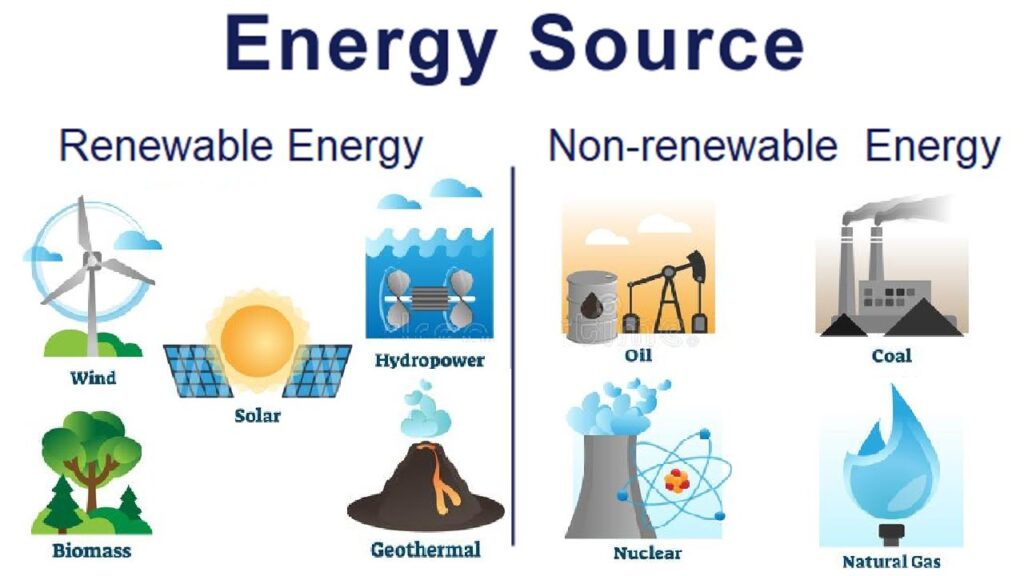
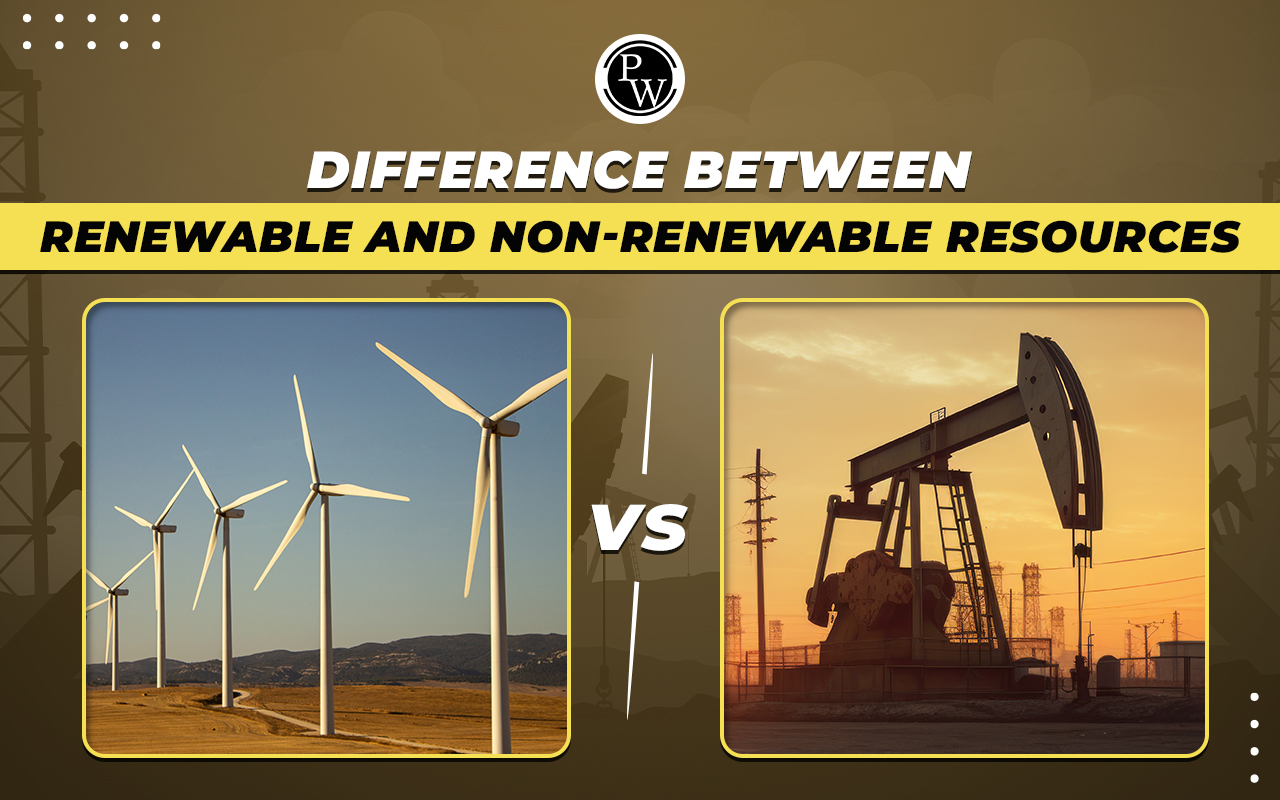
But here's the million-dollar question: is it renewable or nonrenewable? Think about how natural gas is formed. Remember those tiny creatures and millions of years? That's the key! Renewable resources, like solar and wind, replenish themselves relatively quickly – within a human lifetime. Nonrenewable resources, on the other hand, take millions of years to form. Since natural gas requires that incredibly long geological process, it falls squarely into the nonrenewable category. We're using it much faster than it can be naturally replenished. It's like withdrawing money from a bank account without ever making deposits; eventually, you'll run out!

Therefore, while natural gas may be cleaner than some other fossil fuels and can serve as a helpful stepping stone, it’s not a long-term solution to our energy needs. We need to continue investing in and developing truly renewable energy sources to create a sustainable future. Consider it a transition fuel with a time limit. We should use this time to adopt cleaner energy.
Understanding the difference between renewable and nonrenewable resources, especially when it comes to something as common as natural gas, is crucial for making informed decisions about our energy consumption and supporting policies that promote a greener, more sustainable planet. So, next time you flip on the gas stove, remember the ancient origins of that fuel and consider what the future of energy could – and should – look like!