Natural Gas Energy Advantages And Disadvantages
Ever wonder where that comforting warmth in your home comes from on a chilly night, or how your favorite restaurant cooks up those delicious meals? Chances are, natural gas plays a big role! It's a super common energy source, and understanding its pros and cons is not only interesting but also really useful for everyone, from total beginners to eco-conscious families.
So, what's the deal with natural gas? For beginners, it's essentially a fossil fuel – think ancient plants and animals that decomposed over millions of years, trapped underground. We extract it and use it as fuel. Families often rely on it for heating homes, cooking, and even powering appliances like clothes dryers and water heaters. Hobbyists, like home brewers who need precise temperature control, might also use natural gas for its reliability and efficiency.
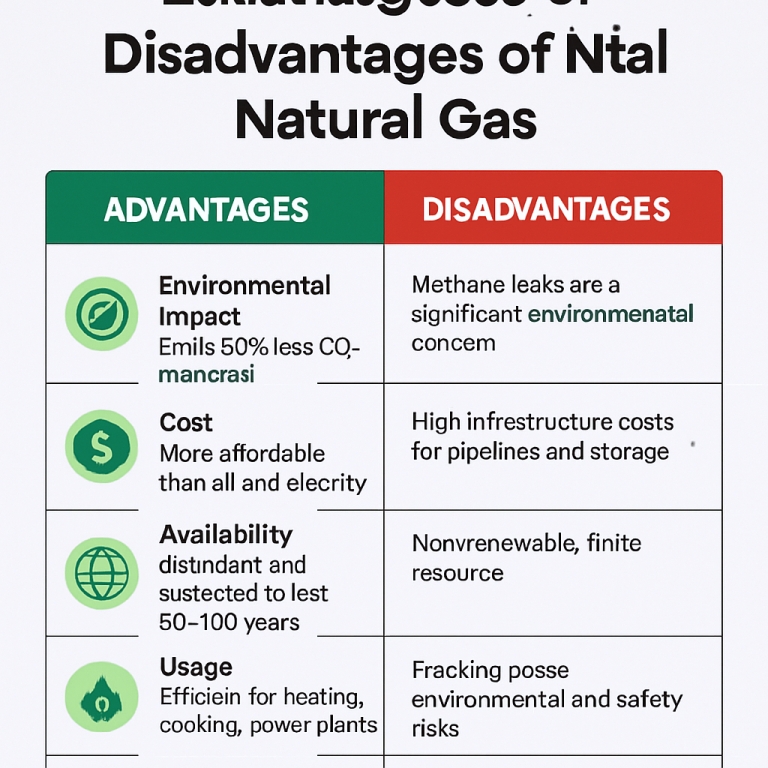
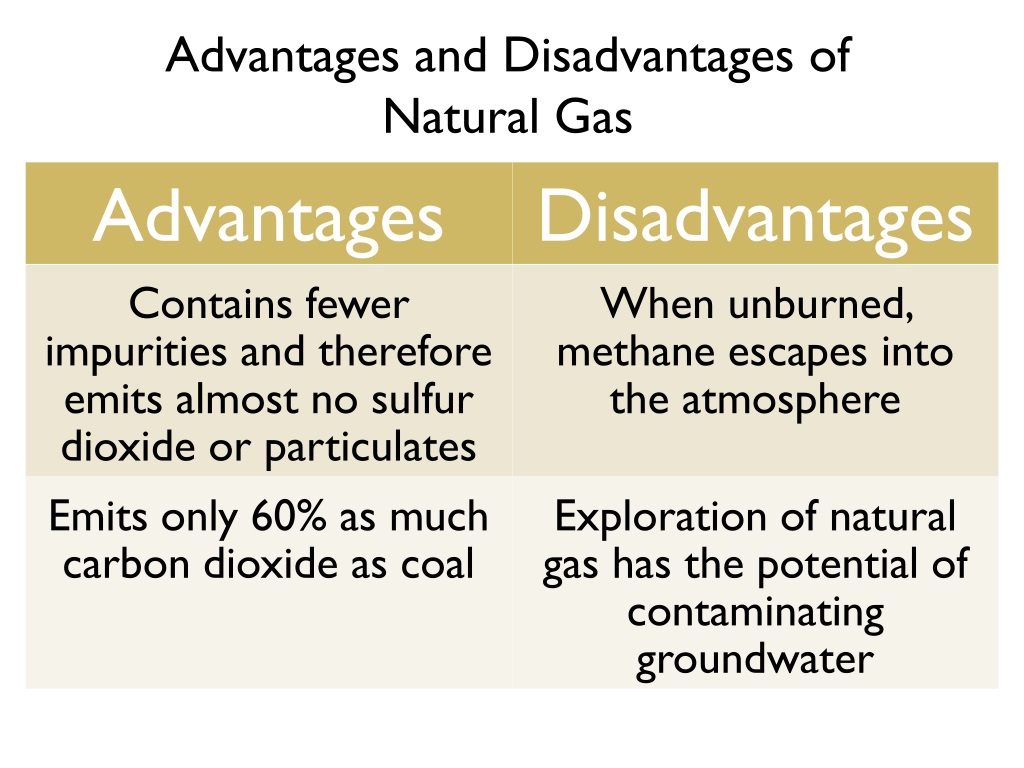
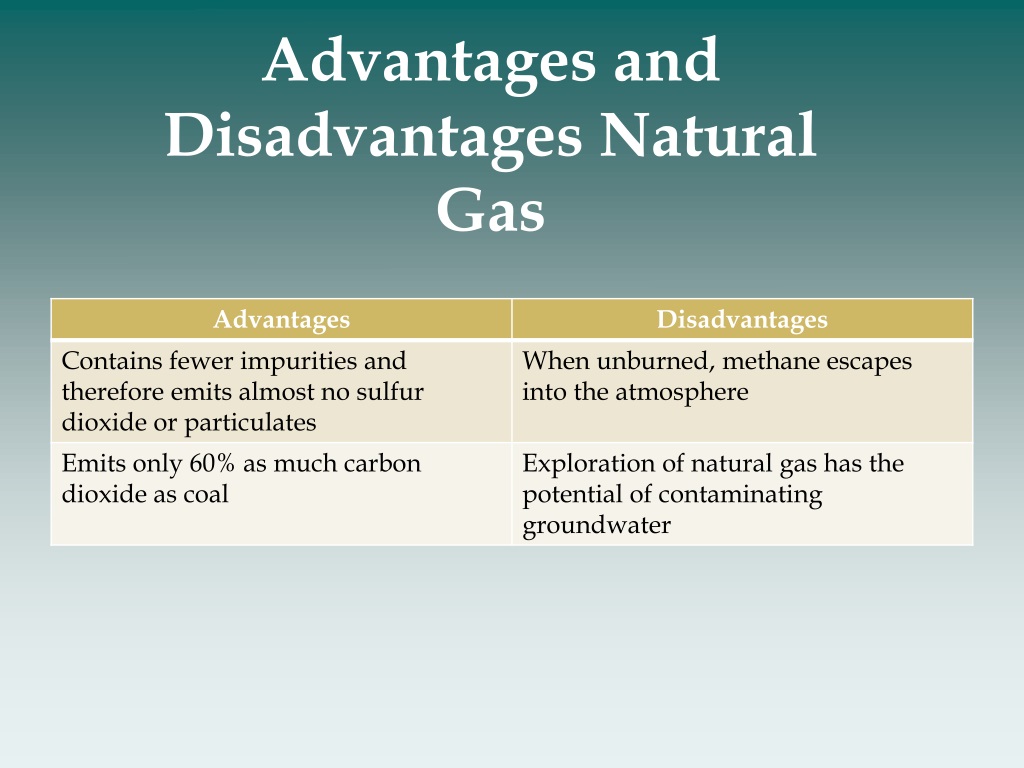
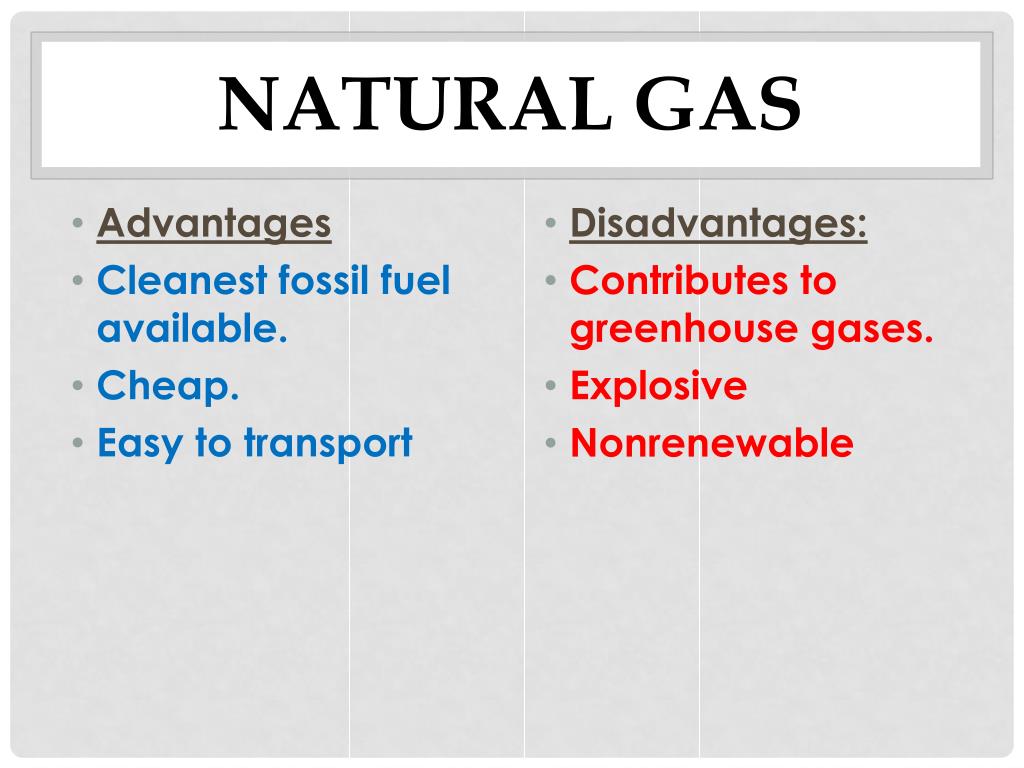
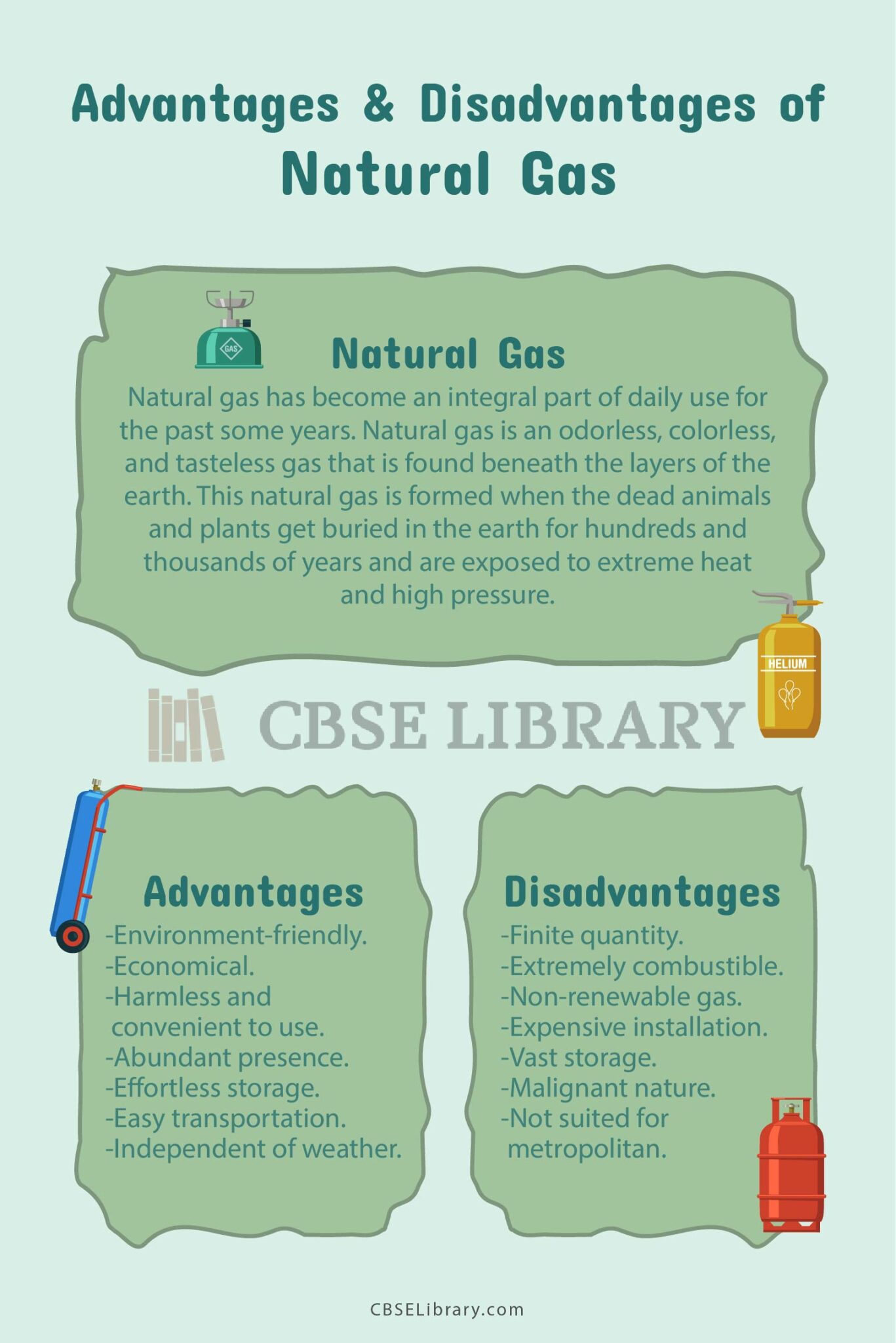
Let's dive into the advantages. One of the biggest perks is its cost-effectiveness. Compared to electricity in many regions, natural gas can be cheaper to use for heating and cooking, saving you money on your monthly bills. Plus, it's relatively cleaner-burning than other fossil fuels like coal and oil, producing fewer emissions when burned. This doesn't mean it's emission-free, but it's a step in a better direction. And, perhaps most importantly for many, it's reliable. Unlike solar or wind power, which depend on weather conditions, natural gas is available on demand, ensuring you have heat and hot water whenever you need it.
Must Read
However, like any energy source, natural gas has its disadvantages. The biggest concern is its impact on the environment. While cleaner than coal, burning natural gas still releases greenhouse gases, contributing to climate change. Methane, the main component of natural gas, is a potent greenhouse gas that can leak into the atmosphere during extraction and transportation. This leakage is a significant environmental concern. Furthermore, the extraction process, particularly fracking (hydraulic fracturing), can have negative impacts on local water supplies and ecosystems.
Practical tips for getting started (and staying informed):
- Understand your usage: Check your gas bill to see how much you're using and identify potential areas for conservation.
- Consider energy-efficient appliances: When replacing appliances, look for Energy Star-rated natural gas models.
- Stay informed: Research the environmental impact of natural gas and support policies that promote cleaner energy sources.
- Explore alternatives: Investigate renewable energy options like solar or wind power to supplement or replace your natural gas usage.
Natural gas plays a significant role in our lives, offering convenience and affordability. By understanding both its advantages and disadvantages, we can make informed decisions about our energy consumption and strive for a more sustainable future. Exploring these topics doesn't have to be a chore; it's about empowering ourselves to create a more comfortable and environmentally responsible world. The more you know, the better equipped you are to make choices that align with your values, ensuring a brighter, warmer future for everyone!