
Natural Gas Cubic Feet To Mmbtu

Okay, picture this: My buddy Dave, bless his cotton socks, moved into a new place a few months back. He’d always paid his gas bill in "units" – a vague, mysterious measurement from his old utility company. Now, suddenly, his bill was screaming about "Cubic Feet". He calls me, panicking, "Bro, is a cubic foot a lot? Am I heating a mansion I don't know about? And what in the heck is a therm?!"
I calmed him down, explained that a therm was just another way utilities sometimes measure gas energy, and we had a good laugh. But then, it got me thinking about how we talk about natural gas in the bigger picture, especially when you step outside your residential bill and into the world of trading, industry, or even just general energy discourse. That's where things get a little spicy with Cubic Feet (CF) versus MMBtu.
What's a Cubic Foot, Anyway?
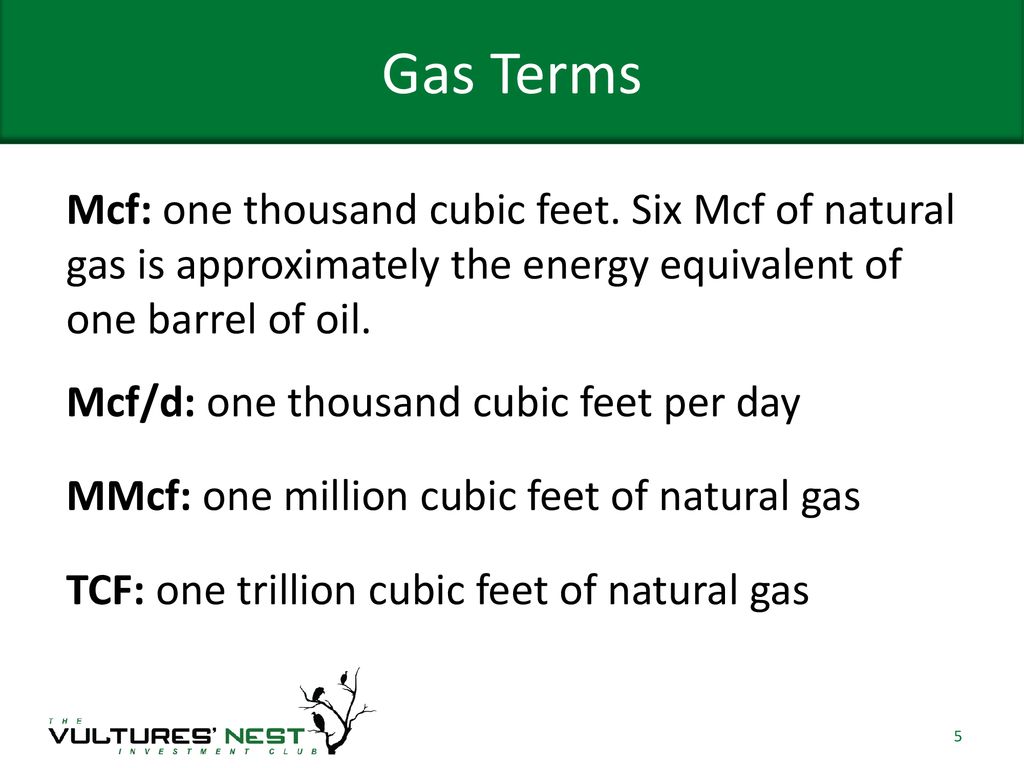
So, a cubic foot (CF) is pretty straightforward, right? It's a measure of volume. Imagine a cube, one foot by one foot by one foot. Fill it with natural gas, and voila, you have one cubic foot of gas. Simple. Intuitive. Easy peasy.
Must Read
But here's the rub, my curious friend: not all natural gas is created equal. I know, I know, mind blown! The gas coming out of the ground in Texas might have a slightly different chemical makeup (and thus, energy content) than the gas coming from, say, Pennsylvania. One cubic foot of gas from one source might deliver a little more punch than a cubic foot from another. Think of it like comparing a plain bagel to an everything bagel. Both are bagels, same size, but one delivers a little extra... oomph.
This variability is a huge headache when you're trying to buy or sell natural gas on a large scale, or even just compare energy usage accurately. If you're paying purely by volume (cubic feet), you could be getting more or less actual energy depending on where that gas came from. Not exactly a fair trade, is it?
Enter the Mighty MMBtu!
This is where the MMBtu steps onto the stage, ready to save the day with a superhero cape made of pure energy! MMBtu stands for Million British Thermal Units. Yeah, it's a mouthful, but stick with me.
First, let's break down the BTU. A British Thermal Unit is basically the amount of energy needed to raise the temperature of one pound of water by one degree Fahrenheit. See? Energy! Not volume. It’s all about the heat-producing potential.
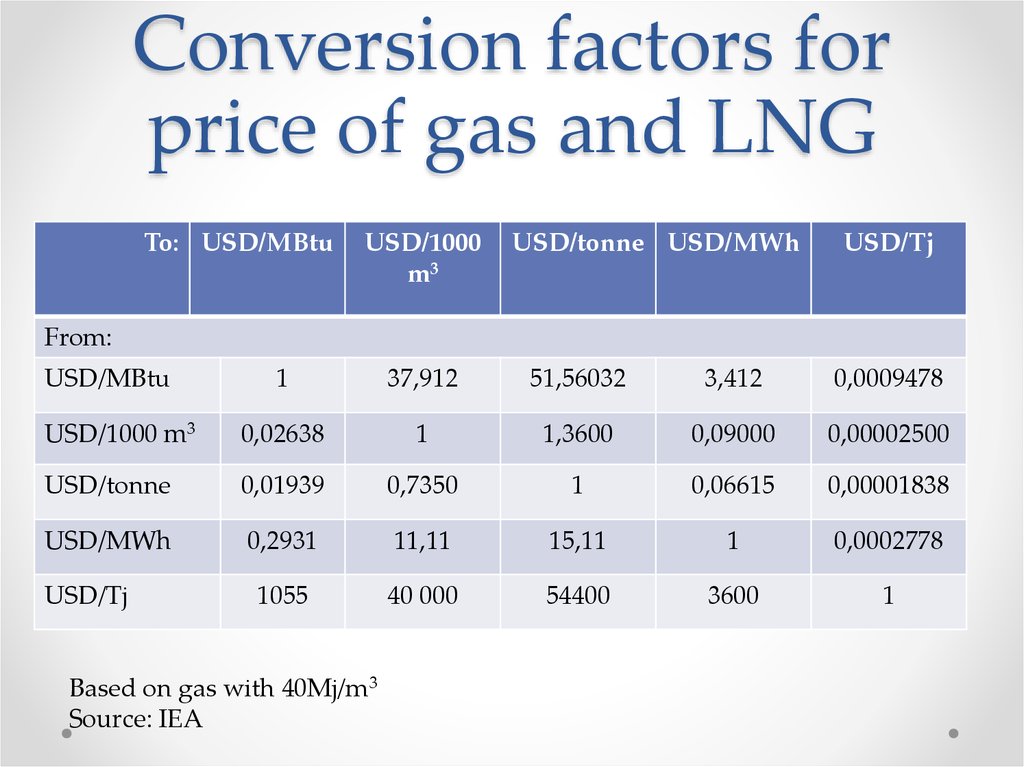
So, an MMBtu is literally a million of those little energy units. It's the standard way the natural gas industry measures the energy content of gas. This is a game-changer because it allows everyone to compare apples to apples, or rather, BTUs to BTUs, no matter where the gas originated or what its exact chemical composition is. When you're talking about global markets and billions of cubic feet of gas, you absolutely need a consistent measure of energy, not just volume.
So, while Dave's bill might show cubic feet, his utility company is likely converting that into an energy equivalent (like therms or BTUs) behind the scenes to accurately charge him for the actual heating power he's consuming. Pretty neat, huh?
The "How-To" of Conversion (Without the Math Sweat)
Now, you might be wondering, "Okay, so how do they actually do that magic conversion from my cubic feet to these fancy MMBtu units?" Great question! And no, it’s not done with a crystal ball (though sometimes I wish it were that easy).
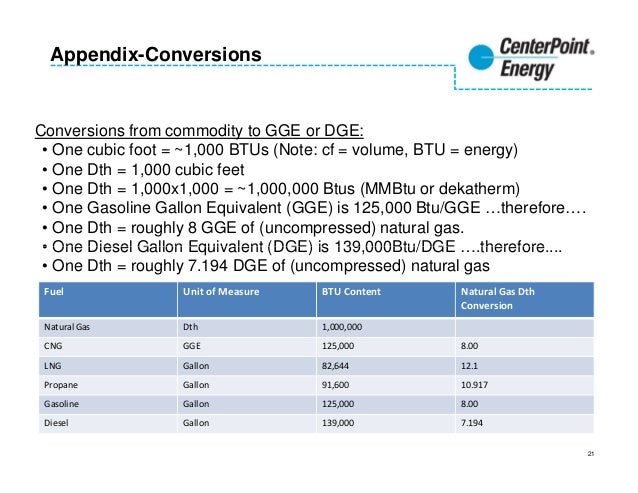
The key is something called the heating value or BTU factor. This is the measured amount of energy (in BTUs) contained within one cubic foot of natural gas at a specific location and time. This factor isn't static; it's constantly monitored by gas pipeline companies and utilities using specialized equipment. They analyze the gas composition to determine its precise energy content.

For example, if the gas in your area has a heating value of, say, 1,020 BTUs per cubic foot, then to get one MMBtu (1,000,000 BTUs), you would need approximately 980.39 cubic feet (1,000,000 / 1,020). See how the volume needed changes based on the gas quality? That's the beauty of MMBtu – it normalizes everything to a standard energy unit.
Why Should You Even Care?
Beyond impressing your friends at your next BBQ with your newfound gas-measurement prowess (which, let's be honest, is reason enough!), understanding the difference between cubic feet and MMBtu gives you a much clearer picture of energy. It helps you:
- Understand Your Bill Better: Even if your bill is in CF, knowing that it's just a proxy for energy can make you feel more empowered.
- Compare Energy Costs: If you're ever looking at different energy sources, knowing their price per MMBtu (or equivalent) lets you do a true comparison of bang for your buck.
- Demystify the Energy World: It pulls back the curtain on how a massive, essential industry quantifies and trades its primary product.
So, the next time you hear someone casually drop "MMBtu" into conversation, you won't be like poor Dave, scratching his head. You'll nod knowingly, perhaps with a slight, mysterious smile. Because now, you get it. You understand that while cubic feet give us a sense of space, MMBtu gives us the true measure of power. And that, my friend, is pretty cool.