Natural Gas Compared To Other Energy Sources
Let's face it, energy isn't exactly the first thing that springs to mind when you're thinking about having fun. But stick with me! Understanding where our energy comes from is actually pretty fascinating, and important. After all, we use energy for pretty much everything, from powering our phones to heating our homes. So, let's dive into the world of energy sources and see how natural gas stacks up against the rest!
The purpose of this little exploration is simple: to give you a clear, easy-to-understand overview of natural gas and how it compares to other common energy sources like coal, solar, wind, and nuclear. Think of it as your friendly neighborhood energy guide. By understanding the pros and cons of each, we can all be more informed about the choices we make and the policies we support. This understanding helps in several ways: making informed choices about appliances, understanding utility bills, and participating in discussions about energy policy.
So, what exactly is natural gas? It's a fossil fuel, primarily composed of methane, that's found deep underground. The main benefit is that it's relatively abundant and versatile. It can be used to generate electricity, heat homes, and even fuel vehicles. Compared to coal, it generally produces less air pollution when burned.
Must Read
But what about other energy sources? Let's take a quick look:
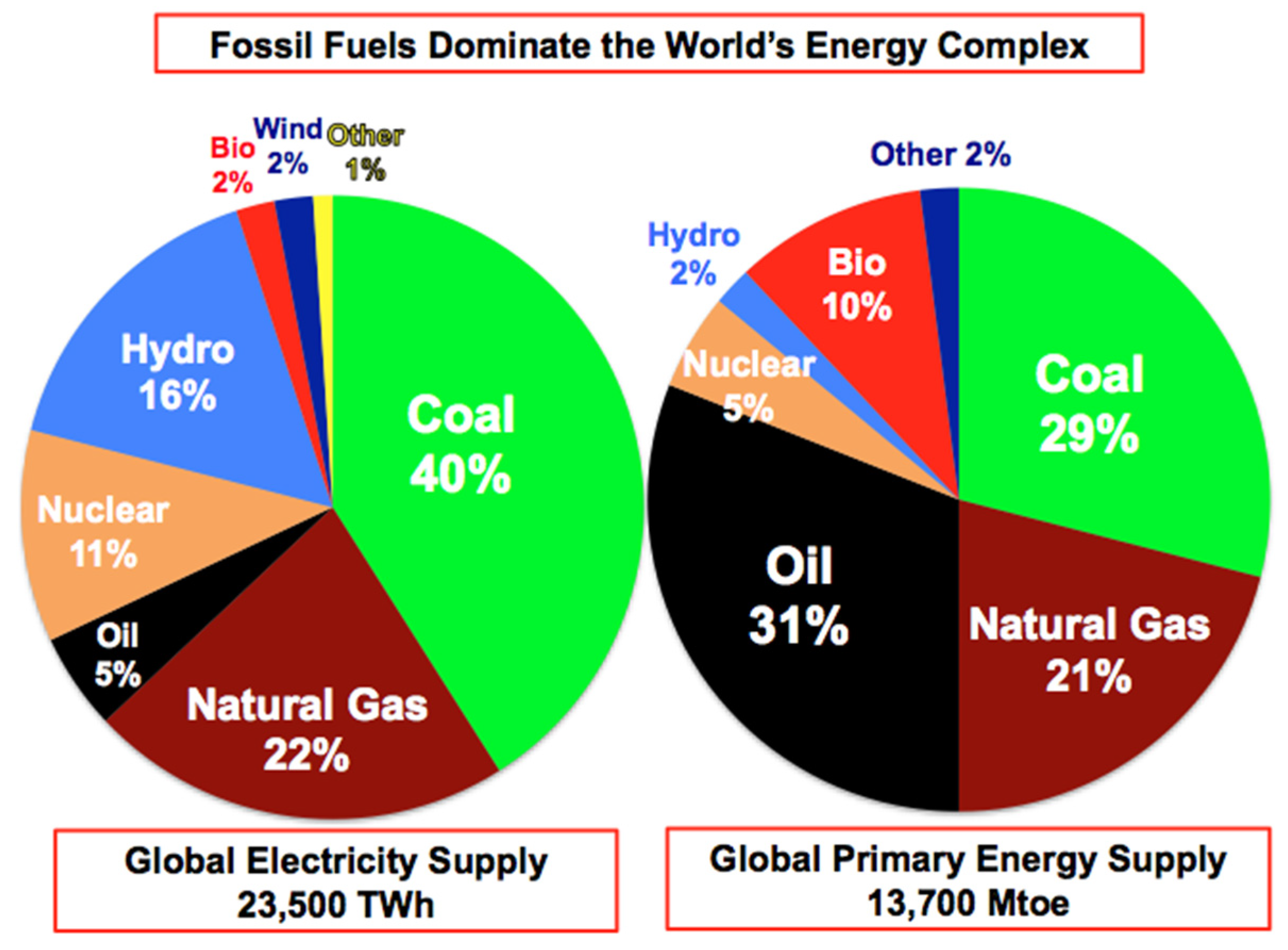
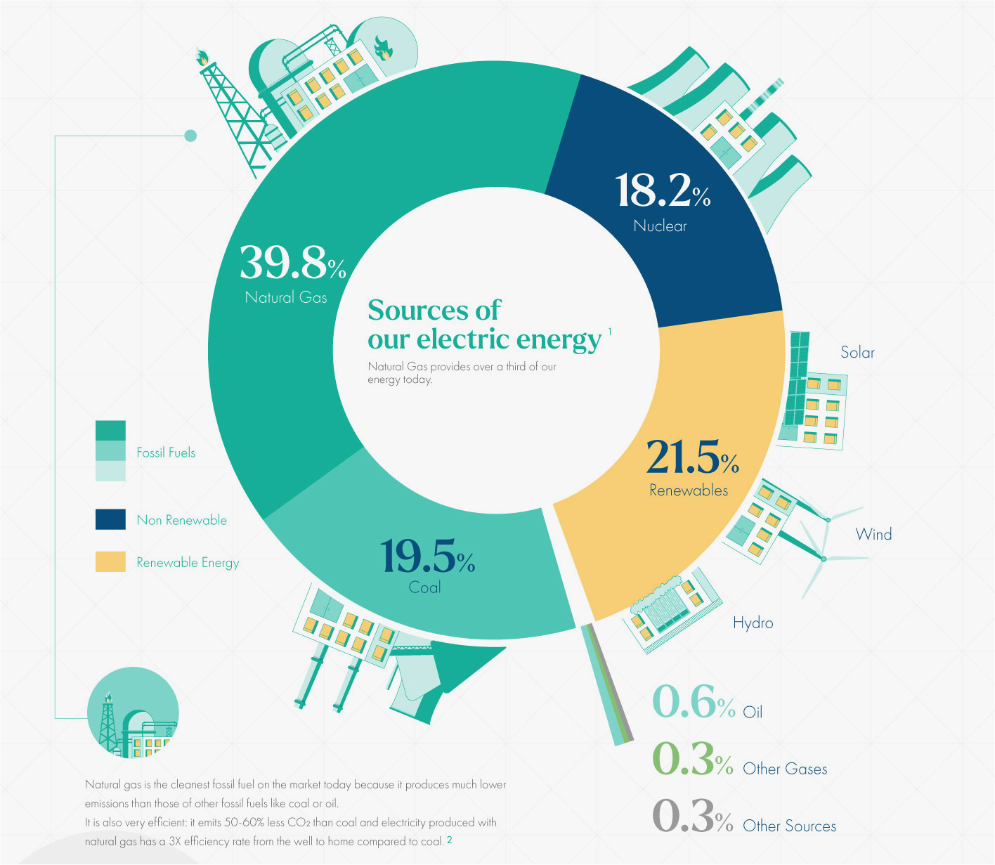
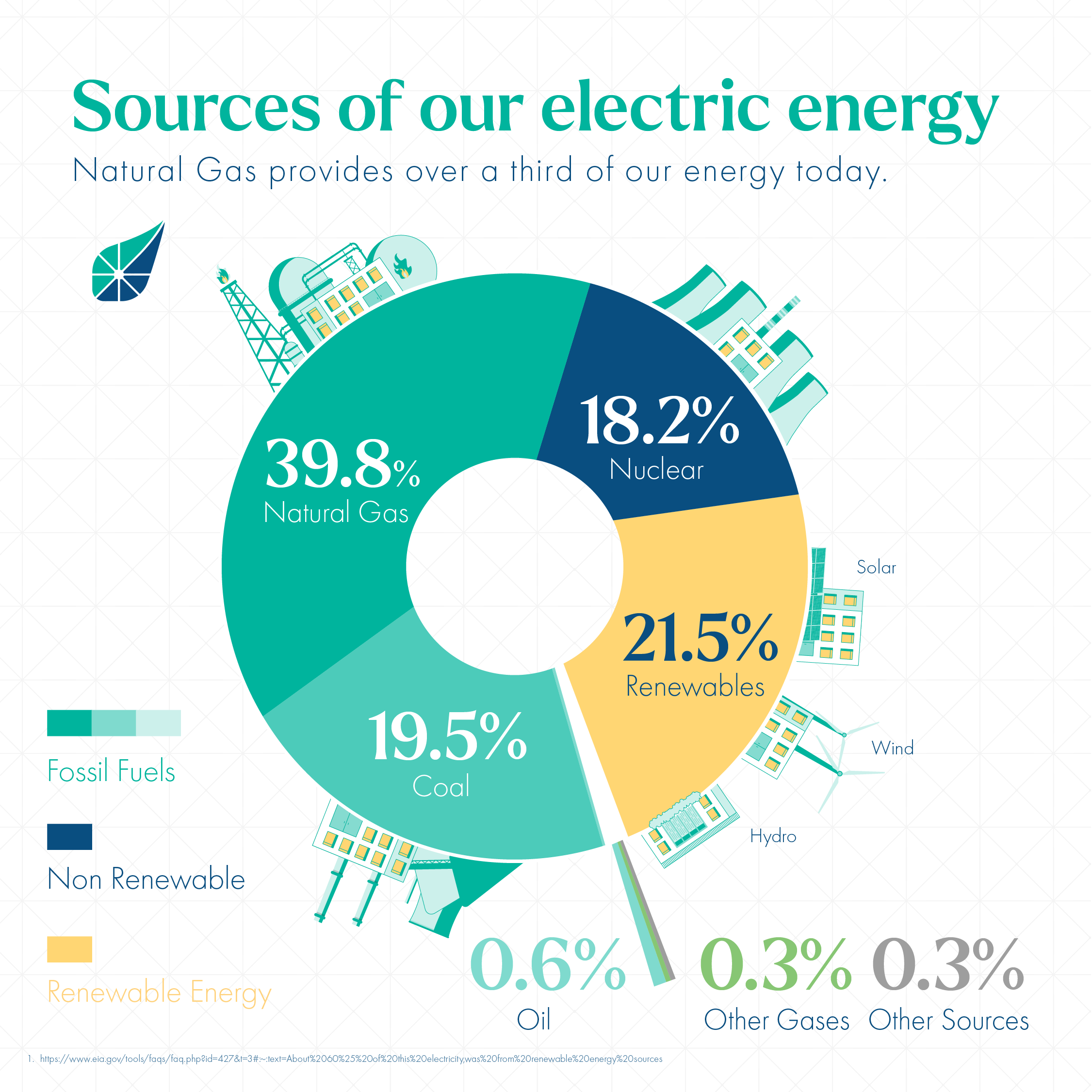
- Coal: Once king of the energy hill, coal is still a major source of electricity generation. However, it's also a big contributor to air pollution and greenhouse gas emissions. Natural gas generally burns cleaner.
- Solar: Harnessing the power of the sun is a fantastic way to generate electricity. Solar panels are becoming increasingly affordable and efficient. The downside? Sunlight isn't always reliable, and large-scale solar farms can require significant land use.
- Wind: Wind turbines are another clean energy source, converting wind power into electricity. Like solar, wind power is intermittent – it depends on the wind blowing. Plus, some people find wind turbines visually unappealing.
- Nuclear: Nuclear power is a powerful source of energy that doesn't produce greenhouse gas emissions during operation. However, nuclear waste disposal remains a significant challenge, and the potential for accidents is a serious concern.
So, where does natural gas fit in? It's often seen as a "bridge fuel" – a way to transition from dirtier fossil fuels like coal to cleaner, renewable energy sources like solar and wind. It's generally more reliable than renewables (since you don't need the sun to shine or the wind to blow) but cleaner than coal.

Of course, natural gas isn't without its drawbacks. It's still a fossil fuel, so burning it releases greenhouse gases. And the process of extracting natural gas (especially fracking) can have environmental impacts. However, ongoing research and technological advancements are continuously seeking ways to mitigate these issues. Ultimately, the best energy mix will likely involve a combination of sources, carefully considering their environmental impact, reliability, and cost.
Understanding the different energy sources helps us make informed decisions about our energy consumption and advocate for sustainable energy policies. It’s all connected, and knowing the basics is a great first step! Keep exploring and stay curious!