
Name Two Ways That Natural Gas Can Be Obtained

Hey everyone! Ever wonder where that natural gas powering your stove, heating your home, or even fueling some of our electricity actually comes from? It's not just magically appearing, right? Well, let's dive into the cool and kinda amazing ways we actually get it out of the ground. Think of it like a treasure hunt, but instead of gold, we're digging for a valuable (and invisible!) resource.
There are a bunch of methods, but today we're going to focus on two of the big ones: conventional drilling and unconventional drilling. What's the difference? Let's explore!
The Old School Way: Conventional Drilling
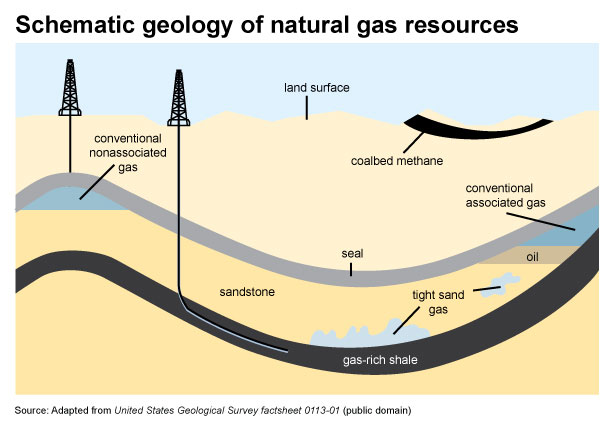
Imagine a sponge filled with water. That's kind of like a conventional natural gas reservoir. The gas is trapped in porous and permeable rock, meaning the rock has tiny holes (porosity) that allow the gas to flow easily through it (permeability). This is like the easily accessible water in the sponge. So, how do we get it out?
Must Read
With conventional drilling! It’s the classic method. Basically, you drill a well down into the reservoir, and because the gas is under pressure, it flows up the well on its own – or with a little help. Think of it like poking a straw into your soda. The soda (or in our case, the natural gas) just wants to come on up!
This method is often used when the gas is relatively easy to access and concentrated in one place. It’s like finding a neatly stacked pile of cash – grab and go! And that's pretty cool, isn't it? Easy access is always a win in my book!
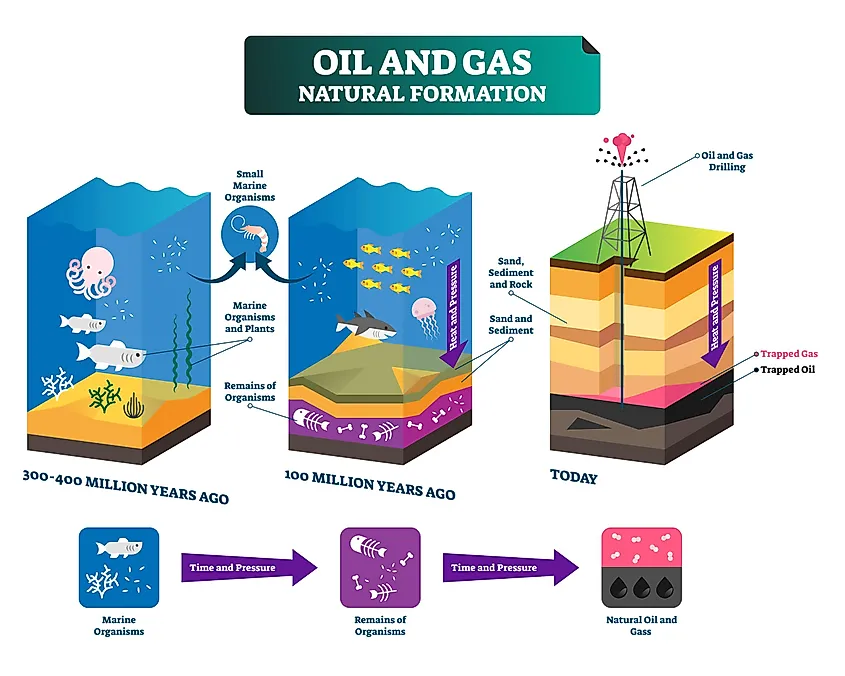
So, to recap: conventional drilling is like finding that perfect parking spot right in front of the store. It's convenient, relatively straightforward, and gets the job done efficiently when the conditions are right.
Getting Tricky: Unconventional Drilling (Hello, Fracking!)
Now, things get a little more interesting – and a bit more complex. What happens if the natural gas isn't in a nice, easy-to-access reservoir? What if it's trapped in rock with low porosity and permeability, like a super dense rock formation (think shale)? This is where unconventional drilling comes into play.
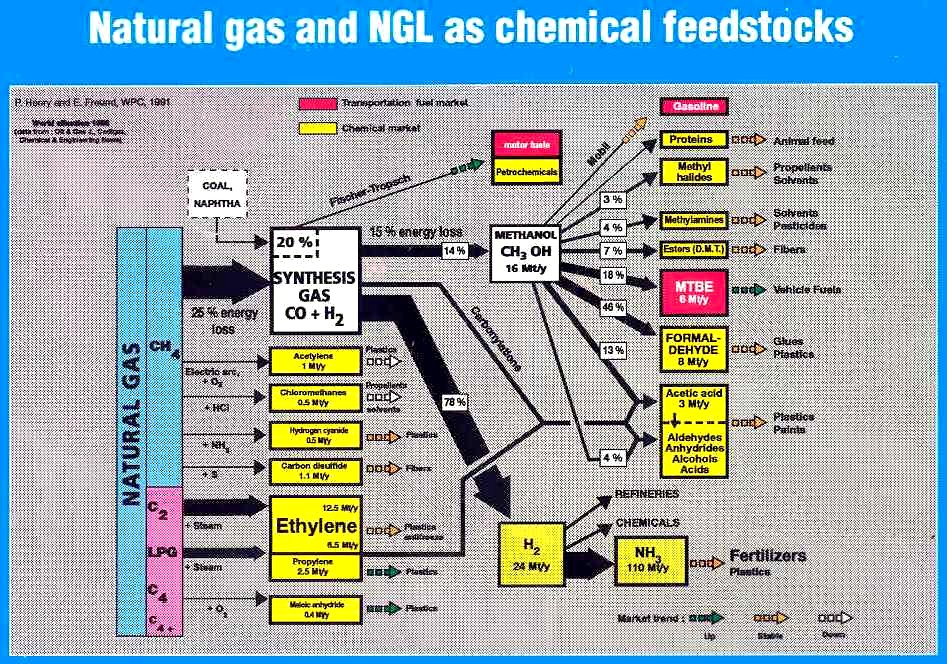
Imagine trying to get water out of a super tightly packed clay ball – not so easy, right? That's shale rock holding natural gas. It's tough! To get the gas out, we need to create pathways for it to flow. And that's where a technique called hydraulic fracturing, or fracking for short, comes in.
Fracking involves injecting a mixture of water, sand, and chemicals under high pressure into the shale rock. This creates fractures (tiny cracks) in the rock, allowing the natural gas to flow more freely. The sand helps keep these fractures open. It's like performing a carefully planned surgical procedure to release the gas.
Think of it this way: if conventional drilling is like sipping through a straw, fracking is like power-washing the entire sponge to force the water out. It's a more aggressive approach, but it allows us to access vast amounts of natural gas that would otherwise be trapped deep underground. Pretty ingenious, huh?
Now, it's important to note that fracking is a controversial topic. It can have environmental impacts, so it's something that needs to be done carefully and responsibly. But the technology itself is pretty fascinating, allowing us to tap into energy resources we couldn't reach before.
So, unconventional drilling, especially with fracking, is like being an expert puzzle solver. It requires careful planning, specialized tools, and a good understanding of the geology to unlock the valuable natural gas trapped within.
So, Which Method is "Better"?
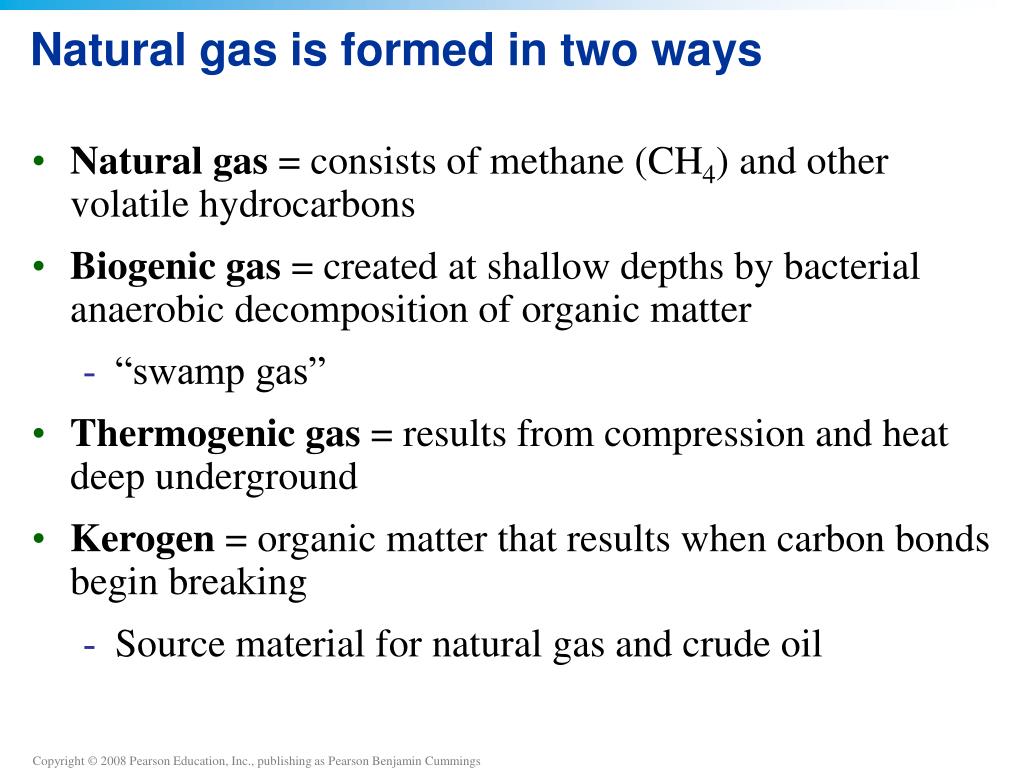
There’s no real "better" method, it all depends on the situation. Conventional drilling is simpler and often cheaper when it’s applicable, but unconventional drilling allows us to access huge reserves that would otherwise be impossible to get. It’s like asking if a hammer or a screwdriver is better – it depends on the job you're trying to do!
Both conventional and unconventional drilling play a vital role in meeting our energy needs. It's pretty amazing to think about the ingenuity and technology involved in extracting this essential resource from the Earth!
Who knew digging for gas could be so interesting? I hope you found this quick dive into the world of natural gas extraction as cool as I do!