Name And Describe The Different Types Of Ceramics

There's something inherently satisfying about holding a perfectly crafted mug, sipping a warm beverage, or admiring a beautifully patterned tile. Ceramics, in all their forms, are not just practical objects; they're a tangible link to artistry and history. We use them every day, often without even realizing the incredible diversity and craftsmanship behind them. Whether you're a seasoned collector or simply someone who appreciates a good teacup, understanding the different types of ceramics can unlock a deeper appreciation for these ubiquitous materials.
The benefits of ceramics extend far beyond their aesthetic appeal. Their durability, heat resistance, and inertness make them ideal for a wide range of applications. Think about it: your dinner plates are ceramic because they won't leach harmful chemicals into your food and can withstand high temperatures. The tiles in your bathroom are ceramic because they are waterproof and easy to clean. Even components in sophisticated electronics and medical implants rely on the unique properties of advanced ceramics. In essence, ceramics are the unsung heroes of modern life, quietly contributing to our comfort, safety, and technological advancements.
So, what are the different types of ceramics? Let's break it down:
Must Read
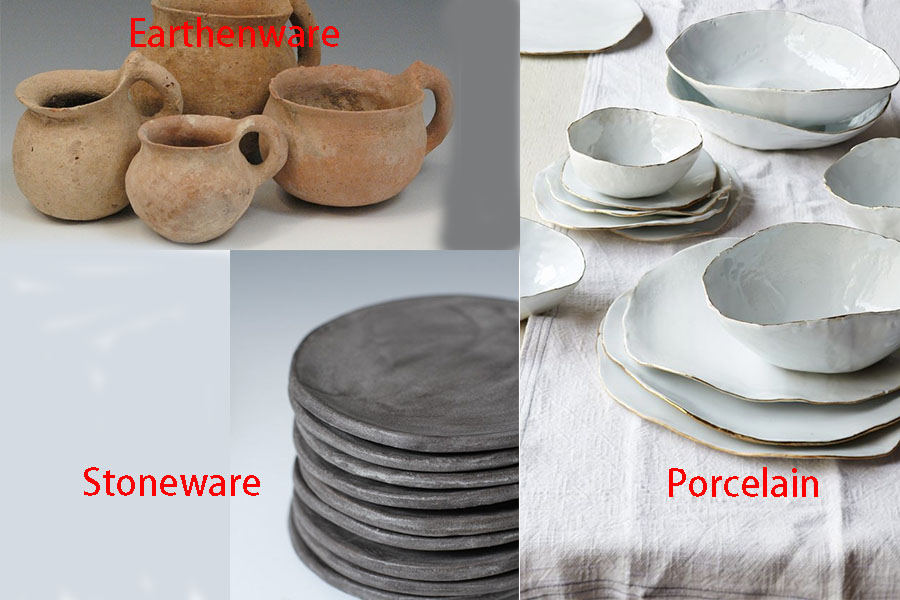
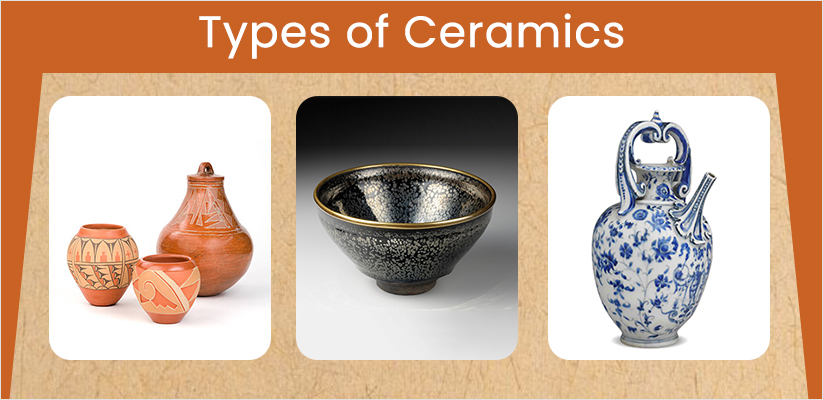
Earthenware: This is the oldest and most common type of ceramic. Fired at relatively low temperatures, earthenware is porous and often requires glazing to be waterproof. Think of terracotta pots, rustic dinnerware, and some types of tiles. Earthenware is prized for its affordability and earthy aesthetic.
Stoneware: Fired at higher temperatures than earthenware, stoneware is much stronger, non-porous, and more durable. It's a popular choice for everyday dishes, baking ware, and even some types of industrial applications. The higher firing temperature gives stoneware a denser, more vitreous quality.
Porcelain: The king of ceramics! Fired at very high temperatures, porcelain is incredibly strong, translucent (in thin sections), and resistant to chipping and cracking. Bone china, a type of porcelain containing bone ash, is known for its delicate beauty and exceptional strength. Fine dining ware, decorative figurines, and electrical insulators are all common applications of porcelain.
Bone China: A type of porcelain, as mentioned above. The addition of bone ash gives it a unique translucence and strength.
Advanced Ceramics: This category encompasses a wide range of highly engineered ceramics designed for specific applications. These materials often incorporate non-traditional elements and are used in aerospace, medicine, electronics, and other cutting-edge fields. Examples include silicon carbide for high-temperature applications and alumina for medical implants.
Want to appreciate ceramics more effectively? Here are a few tips:
- Learn about the maker: Understanding the artist's techniques and inspiration can deepen your connection to a piece. Many potters and ceramic artists have websites or social media pages showcasing their work and process.
- Consider the function: Appreciate how the form follows function. Does the handle of a mug feel comfortable in your hand? Does the shape of a bowl enhance the presentation of food?
- Observe the details: Look closely at the glaze, the texture, and the overall design. Notice the subtle variations and imperfections that make each piece unique.
- Handle with care: Ceramics, while durable, can still be fragile. Treat your pieces with respect, and they will last for years to come.
By understanding the different types of ceramics and appreciating the artistry behind them, you can elevate your everyday experiences and gain a newfound respect for these remarkable materials. So, go ahead, pick up your favorite mug, admire its form, and savor the moment. You're holding a piece of history, craftsmanship, and ingenuity in your hands.