My Car Starts And Then Turns Off
Ever had that sinking feeling? You hop in your car, turn the key, and it roars to life... for a glorious second or two, then just as quickly, poof – silence. It's a common automotive mystery that can leave even the calmest driver feeling a little stumped. But here’s the thing: understanding why your car starts and then immediately quits can actually be quite a fun and incredibly useful puzzle to solve! It’s not just a frustrating moment; it’s an opportunity to learn a little more about the trusty machine that gets you from A to B. Many drivers face this, making it a popular topic because a little know-how can save you a lot of headache and potentially, a tow truck fee.
So, who benefits from knowing a bit about this quirky car behavior? Pretty much everyone with a driver's license! For beginners, it’s a fantastic way to grasp basic car diagnostics, building confidence that you’re not just at the mercy of your vehicle. You'll learn what to listen for and what simple checks to make. Families will find this knowledge invaluable for keeping everyone on schedule and within budget; no more unexpected mechanic bills or missing that important appointment because of a easily fixable hiccup. And for the budding hobbyists, it’s a gateway into deeper automotive understanding, turning a problem into a satisfying DIY project. It’s about empowerment – taking control of a situation that might otherwise feel overwhelming.
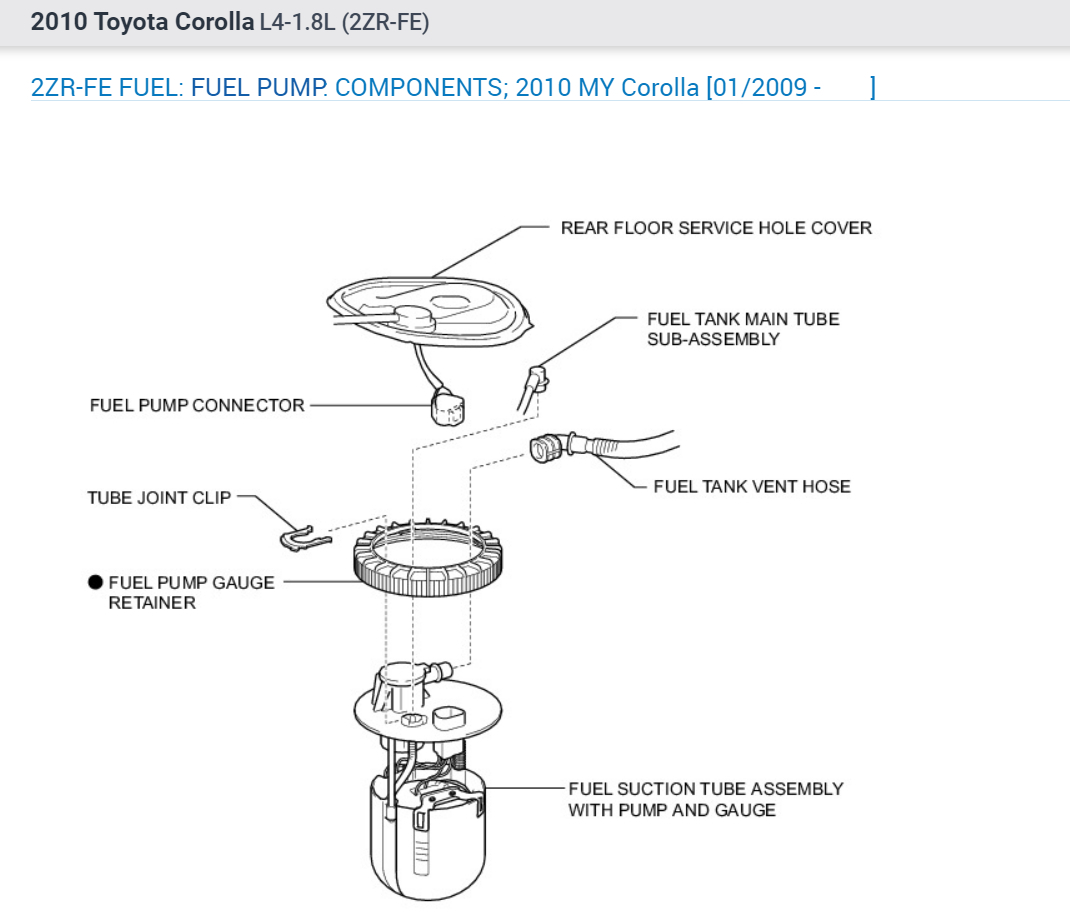
The reasons a car starts and then dies can vary, offering a real spectrum of possibilities. Sometimes it's something relatively simple, like a low fuel pressure issue – perhaps a struggling fuel pump that can't maintain the pressure needed to keep the engine running, or a clogged fuel filter. Other times, it could point to a glitch in the ignition system, where the spark plugs or ignition coils aren't consistently firing. Modern cars might even experience this due to a grumpy security system, known as an immobilizer, which thinks your key isn't legitimate and shuts down the engine as a safeguard. Even a failing mass airflow sensor, which tells the engine how much air is coming in, can cause this brief start-and-stop dance. It's like your car is trying to tell you something, but in a very brief, dramatic fashion!
Must Read
Ready to play automotive detective? Here are some simple, practical tips to start with. First, always check your dashboard immediately after it dies. Did any warning lights flash brightly? These are your car's first clues! Second, double-check your actual fuel level; sometimes a faulty gauge can trick you. Third, listen carefully when you turn the key to the 'on' position (before starting): do you hear a faint hum from the back of the car? That's your fuel pump priming – if you don't hear it, that could be a clue. Lastly, inspect your battery terminals to make sure they're clean and tight. While the car starts, a weak connection or failing battery might not be able to sustain the power needed. Don't be afraid to consult your car's manual or a trusted online resource for specific checks related to your model.
Ultimately, solving the mystery of "My car starts and then turns off" isn't just about fixing a problem; it's about gaining a little peace of mind. Each time you understand and address a car issue, you're not just saving money, you're becoming a more informed and capable driver. There’s a quiet satisfaction in knowing how your vehicle works and being able to troubleshoot common glitches. So, next time your car pulls this trick, remember it's an opportunity to learn, grow, and maybe even impress your friends with your newfound automotive wisdom. Happy driving!