My Air Conditioner Is Running But Not Cooling

Okay, let's be honest: summer is great... until your air conditioner decides to stage a protest. There's nothing quite as frustrating as an AC unit running but stubbornly refusing to actually cool. It’s a common problem, though, and thankfully, often fixable without needing to call in the cavalry (i.e., an expensive HVAC technician) immediately. Think of this as a little DIY detective work – a chance to become more familiar with your home's systems and save some money in the process. Who doesn't love saving money?
Why is understanding this important? For beginners, knowing a few basic troubleshooting steps can prevent panic and potentially save you from unnecessary service calls. For families, a malfunctioning AC can quickly turn a comfortable home into a sweltering disaster, impacting sleep, mood, and overall well-being. Knowing how to diagnose the problem can help get things back to normal faster. And for the hobbyists out there – the ones who enjoy tinkering and fixing things – this is a perfect opportunity to expand your skillset and gain a deeper understanding of how your home's cooling system operates.
So, what could be happening when your AC is on, but not cooling? Think of it like this: your AC has a few critical parts all working together. If one of them is off, the system suffers. Here are some common culprits:
Must Read
- Dirty Air Filter: This is the most common cause. A clogged filter restricts airflow, making the AC work harder and less efficiently. Imagine trying to breathe through a thick blanket – that's what your AC is experiencing!
- Dirty Condenser Coils: The condenser unit is the outdoor part of your AC. Its coils release heat. If they're covered in dirt, leaves, or debris, they can't do their job properly. Think of it like a radiator that's blocked with mud.
- Frozen Evaporator Coils: This usually happens due to low refrigerant or restricted airflow (again, often due to a dirty filter!). The coils ice up, preventing them from absorbing heat.
- Refrigerant Leak: Refrigerant is the lifeblood of your AC. If there's a leak, the system won't be able to cool effectively. This requires professional attention.
- Blocked Vents: Make sure your vents are open and unobstructed. A closed vent can restrict airflow to a room, making it feel warmer.
Okay, ready to start troubleshooting? Here are some simple, practical tips:
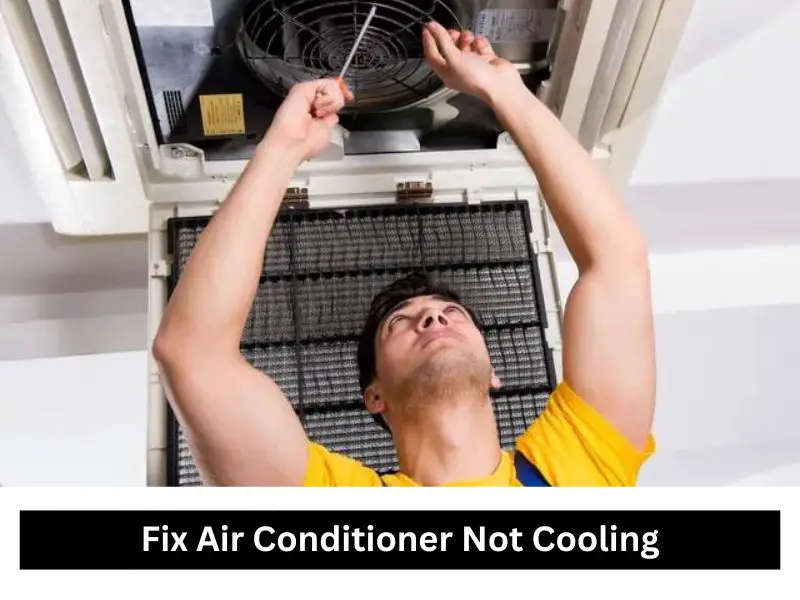
- Check the Air Filter: This is always the first step. Replace it if it's dirty. Aim to replace it every 1-3 months, especially during peak cooling season.
- Inspect the Outdoor Unit: Make sure the condenser unit is free of debris. You can gently rinse it with a garden hose (turn off the power first!).
- Check for Frozen Coils: If you suspect frozen coils, turn off the AC and let it thaw for several hours. You may also want to use a hair dryer on a low setting to gently defrost the coils, but be extremely cautious.
- Ensure Clear Airflow: Make sure all vents are open and unobstructed. Move furniture or drapes that might be blocking airflow.
- Call a Professional: If you've tried these steps and your AC is still not cooling, it's time to call a qualified HVAC technician. They can diagnose more complex problems, such as refrigerant leaks or compressor issues.
Don't be intimidated! Diagnosing a malfunctioning AC can be a rewarding experience. You’ll gain a better understanding of your home and potentially save yourself a bundle. And there’s a certain satisfaction in fixing something yourself. Plus, imagine the pure, unadulterated joy of finally feeling that cool, refreshing air washing over you after you've solved the mystery. Now that’s a sweet summer victory!