Most Of The Pollution In The Ocean Comes From
Okay, folks, gather 'round! Let's talk about the big blue marble – our oceans! We all love them, right? Vacation photos, seafood feasts, the mysterious allure of Jacques Cousteau... But there's a bit of a not-so-secret, slightly stinky truth we need to address. And that truth is... wait for it...
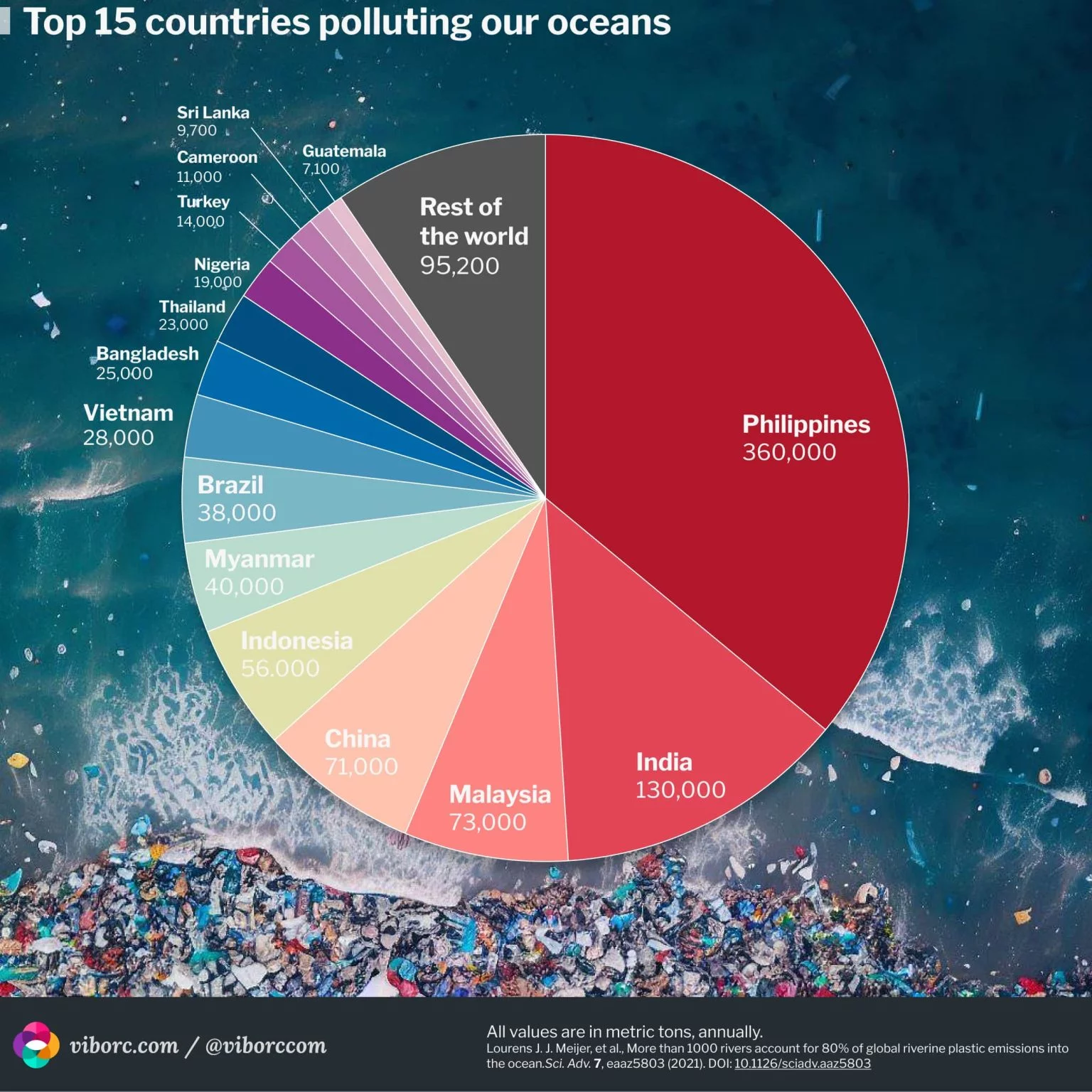
Most of the pollution in the ocean comes from the LAND!
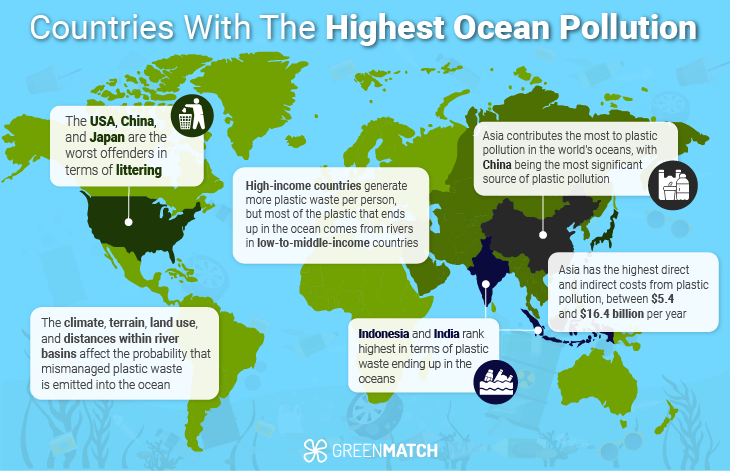
I know, I know! You're picturing giant oil tankers spilling goop everywhere, or maybe rogue fishing boats dumping plastic nets. And sure, those things do happen, and they're definitely bad news bears. But the REAL culprit, the silent (and often unseen) villain, is... us! Yes, you, me, your quirky neighbor with the gnome collection, and everyone else living on solid ground.
Must Read
The Sneaky Source: Runoff and Rivers
Think of it this way: your lawn is basically a superhighway for pollutants. Rain falls, picks up all sorts of nasties – fertilizers, pesticides, pet poop (yuck!), oil dripping from your car – and washes it all downhill. Where does downhill eventually lead? You guessed it: the nearest stream, which flows into a river, which then throws a massive pollution party in the ocean! It's like a giant, unintentional toilet flush, only instead of water, it's... well, you get the picture.
It’s not just your lawn, though. Consider the amazing feat of engineering of that super shiny highway and street system in your town. All designed to get that rain away from things and into the drains! Then where, oh where does it go? Direct to a river, lake, or ocean somewhere nearby. So even if you are a paragon of virtue, and you may be, remember that the road salt and other things used in the city is still contributing to the problem!
What Kind of "Nasties" Are We Talking About?
Let's break down some of the usual suspects:
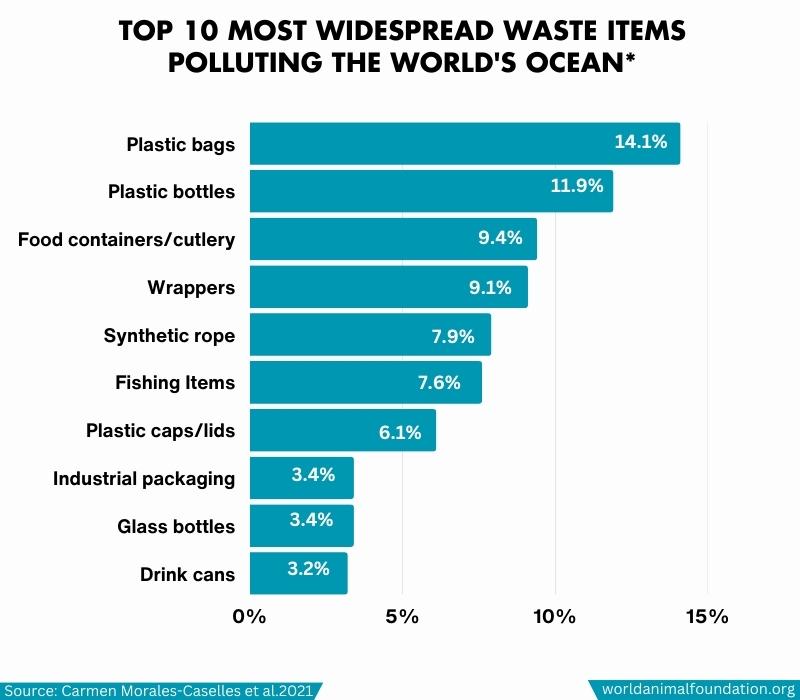
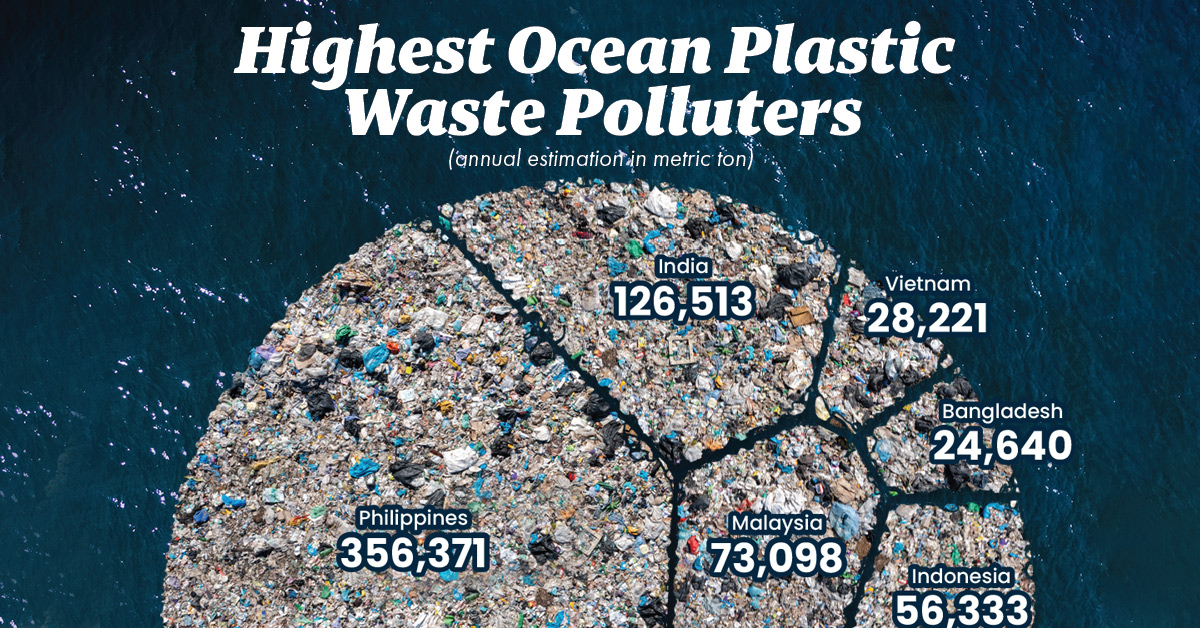
- Plastic, plastic everywhere! This is the big one! Plastic bags, bottles, wrappers, toys... you name it. It doesn't biodegrade (or it takes FOREVER), and it breaks down into smaller and smaller pieces called microplastics, which are then eaten by poor, unsuspecting fish. And then we eat the fish! It's a plastic circle of… well, not life. More like a plastic circle of doom.
- Chemical Runoff: Fertilizers and pesticides from farms and gardens. These things are great for growing plants, but they're not so great for marine ecosystems. They can cause massive algae blooms that suck all the oxygen out of the water, creating "dead zones" where nothing can survive. Think of it like a suffocating blanket made of green slime. Not exactly a beach postcard.
- Sewage and Industrial Waste: Yep, sometimes stuff gets dumped directly into waterways. Even treated sewage can contain harmful chemicals and bacteria. Factories can also release pollutants, depending on their waste water control system.
- Oil and Grease: Not just from tanker spills, but also from cars, boats, and even restaurants that improperly dispose of used cooking oil. It all adds up to a greasy, unpleasant mess.
Now, I'm not trying to bum you out completely. There's good news! Because the pollution comes from land, that means we have the power to do something about it! We can all make small changes in our daily lives that can have a HUGE impact.
For example:
- Reduce your plastic consumption! Use reusable bags, water bottles, and coffee cups. Say no to plastic straws. Recycle everything you can! (And maybe even try to reduce your consumption in the first place. Do you really need that third inflatable flamingo pool float?)
- Be mindful of what you put down the drain! Avoid flushing chemicals or pouring oil down the sink. Dispose of them properly. (And maybe stop using so many harsh chemicals in the first place. Baking soda and vinegar are your friends!)
- Support sustainable agriculture! Buy organic produce whenever possible, and support local farmers who use environmentally friendly practices.
- Pick up trash! Even if it's not yours, do your part to keep our streets and waterways clean. (Think of it as a treasure hunt, only instead of gold doubloons, you're finding discarded candy wrappers. Still exciting, right?)
Look, I know it can seem overwhelming. But even small changes, multiplied by millions of people, can make a world of difference. Let's all do our part to protect our oceans and keep them beautiful for generations to come! Every little bit helps!
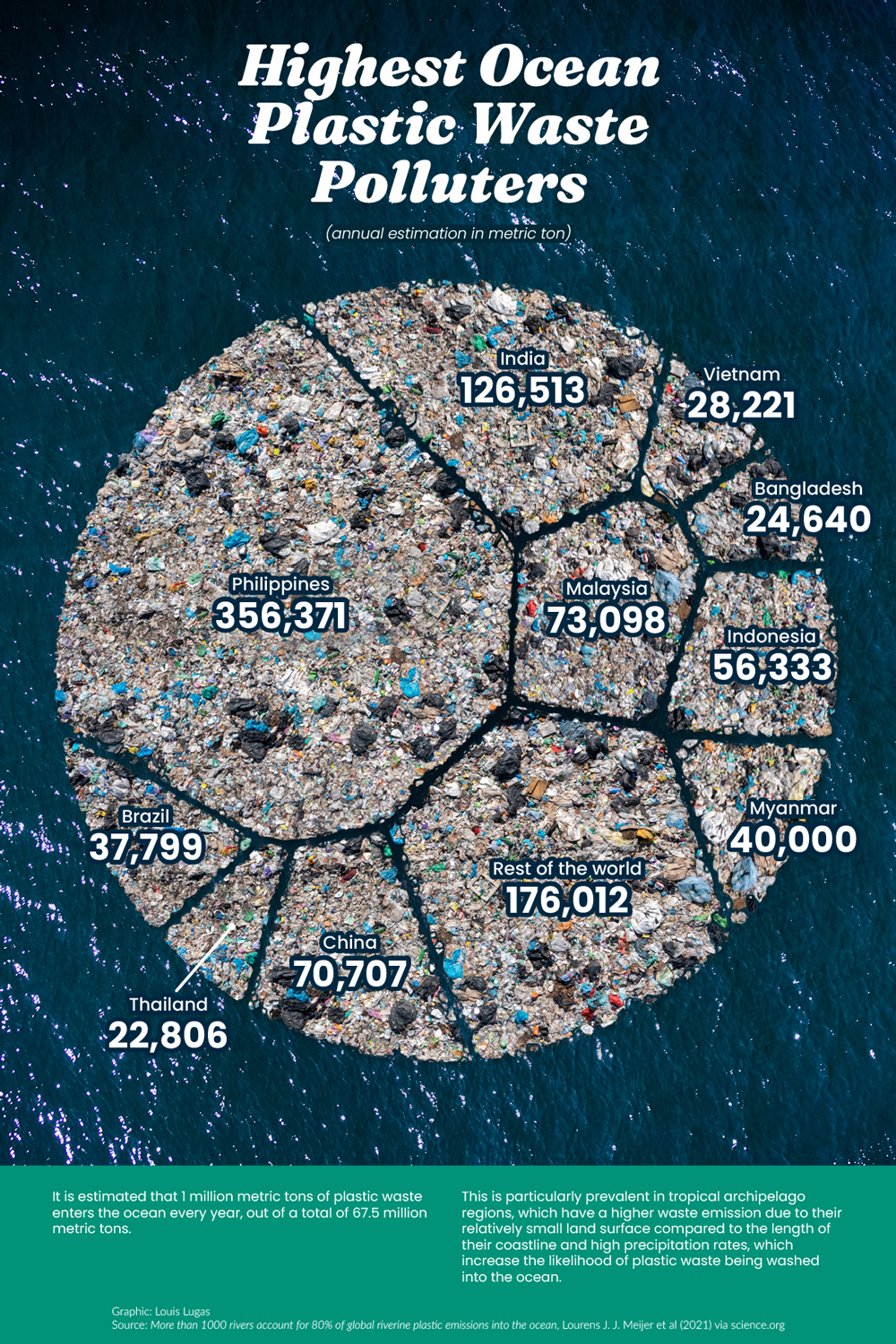
And remember, the next time you're enjoying a day at the beach, take a moment to appreciate the incredible beauty of the ocean... and maybe pick up a stray plastic bottle while you're at it!