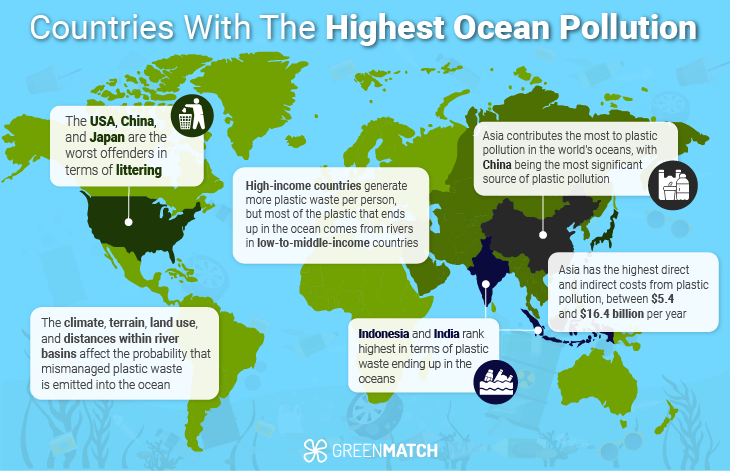
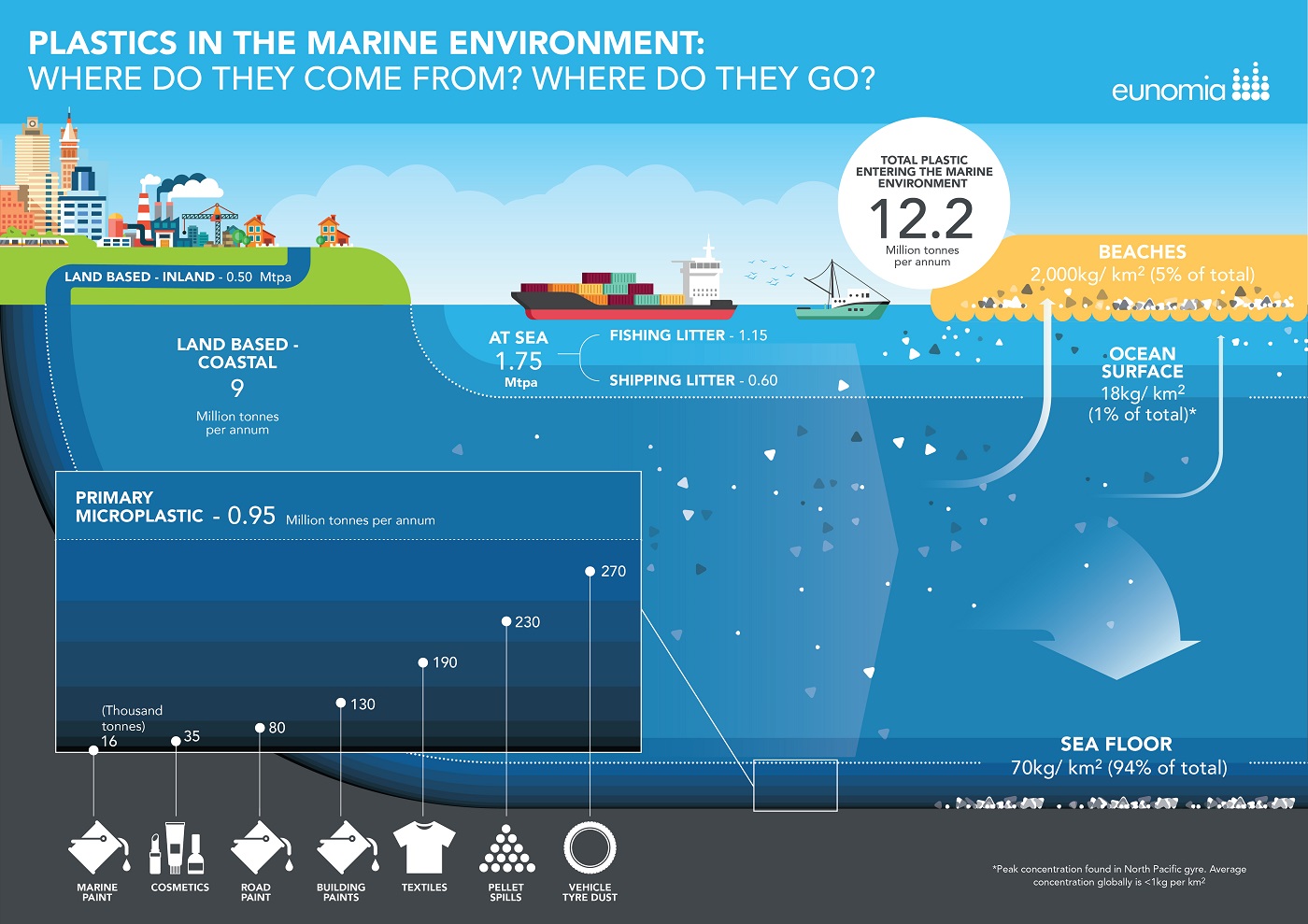
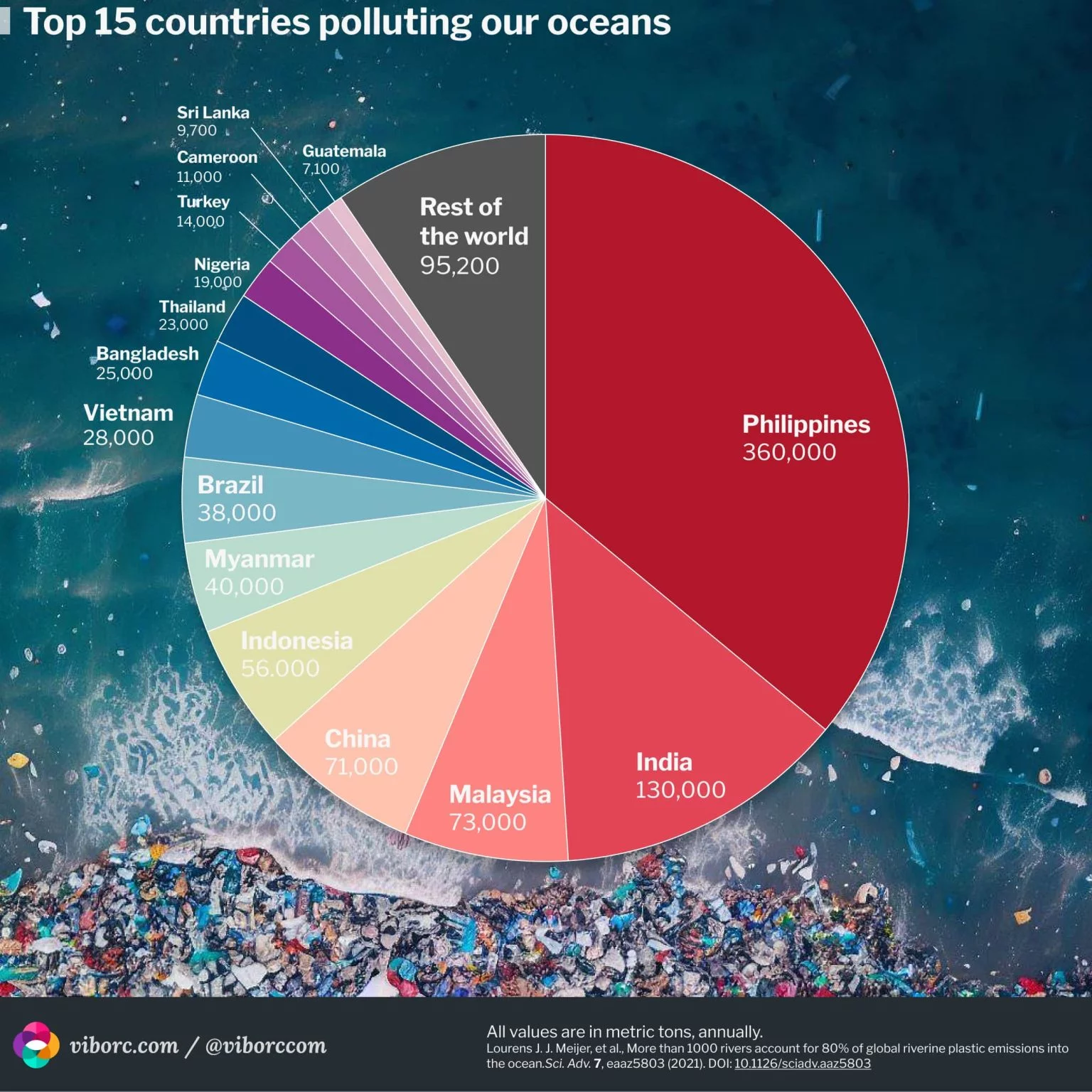
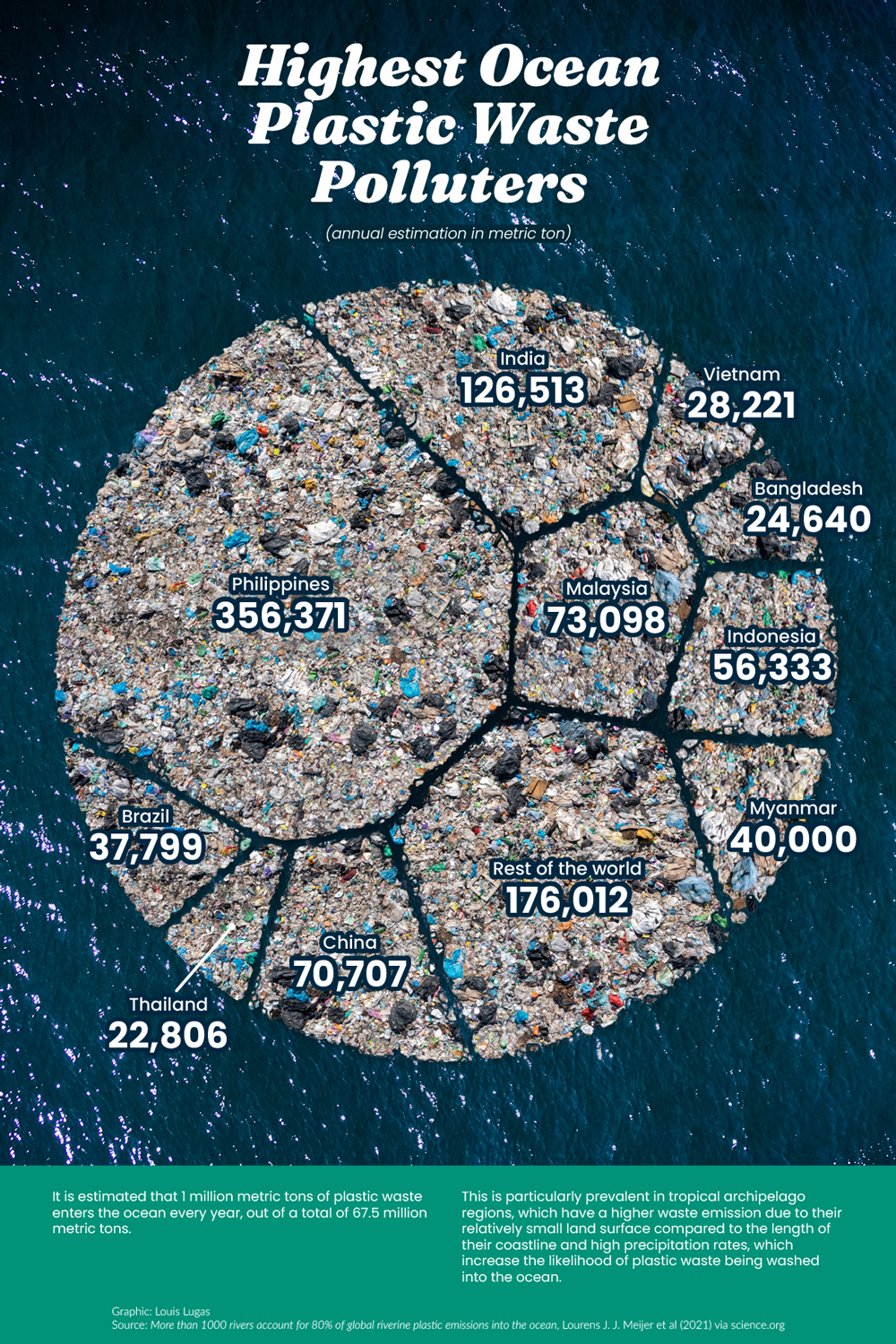
Most Of The Pollutants In The Ocean Come From
Ah, the ocean! Who doesn't love the vast, sparkling expanse of blue? Whether it's the thrill of surfing a monster wave, the peaceful rhythm of kayaking in a calm bay, or the sheer joy of building sandcastles with the kids, the ocean holds a special place in our hearts. For many, it’s a source of recreation, providing endless opportunities for fun and adventure. For others, it's a vital source of food and livelihood. And let’s be honest, that salty breeze and the sound of crashing waves? Pure bliss!
Beyond the fun and relaxation, the ocean plays a critical role in our everyday lives. It's a major source of food, providing us with fish, shellfish, and even seaweed. Think about your last sushi dinner or that delicious plate of grilled salmon. Thank the ocean! Furthermore, it's a key player in regulating our climate, absorbing carbon dioxide and heat from the atmosphere. It also facilitates global trade, with ships carrying goods across continents, bringing us everything from our morning coffee to our latest gadgets.
We interact with the ocean in countless ways. From simply enjoying a day at the beach to relying on it for transportation and resources, its influence is undeniable. Think about the salt used to season your food, often harvested from the sea. Consider the medicines derived from marine organisms. Even the clothes you wear might have been shipped across the ocean on a cargo vessel. The ocean's reach extends far beyond the shoreline.
Must Read
But here's a sobering thought: despite all the beauty and benefits, our beloved ocean is facing a serious threat. The vast majority of pollutants entering our oceans don’t come from dramatic oil spills or rogue plastic islands, but from something far more insidious: land-based sources. That’s right, most of the trash and chemicals that pollute our oceans start on land, often in our own backyards.
This pollution includes things like agricultural runoff containing fertilizers and pesticides, industrial waste discharged from factories, and untreated sewage flowing from urban areas. Rainwater washes these pollutants into rivers and streams, which eventually empty into the ocean. Even seemingly harmless things like litter dropped on the street can make their way to the sea through storm drains.
So, how can we enjoy the ocean more effectively while also protecting it? Here are a few practical tips:
- Reduce your use of single-use plastics: Carry a reusable water bottle, shopping bags, and coffee cup.
- Properly dispose of waste: Always throw trash in designated bins and participate in local clean-up efforts.
- Be mindful of chemicals used at home: Choose eco-friendly cleaning products and avoid using pesticides and herbicides.
- Support sustainable agriculture: Buy locally sourced food and support farmers who use environmentally friendly practices.
- Educate yourself and others: Learn more about ocean pollution and spread awareness among your friends and family.
By understanding where ocean pollution comes from and taking simple steps to reduce our impact, we can help ensure that future generations can enjoy the beauty and benefits of the ocean for years to come. Let's work together to keep our oceans clean, healthy, and thriving!