
Modulus Of Elasticity Of Stainless Steel 316
Hey, so you wanna chat about stainless steel 316's modulus of elasticity? Buckle up, buttercup, because we're diving in! It's not as scary as it sounds, promise. Think of it as how stretchy (or not stretchy) this stuff is. You know, like a super-scientific rubber band... only made of metal. Fancy, right?
Basically, the modulus of elasticity, also known as Young's modulus (named after some brainy dude, of course), tells us how much a material will deform – that's bend, stretch, or compress – under stress. Think of stress as how much you're pulling or pushing on something. (No, not the stress of a Monday morning meeting, though maybe there's a correlation there...).
So, what's the number for 316?
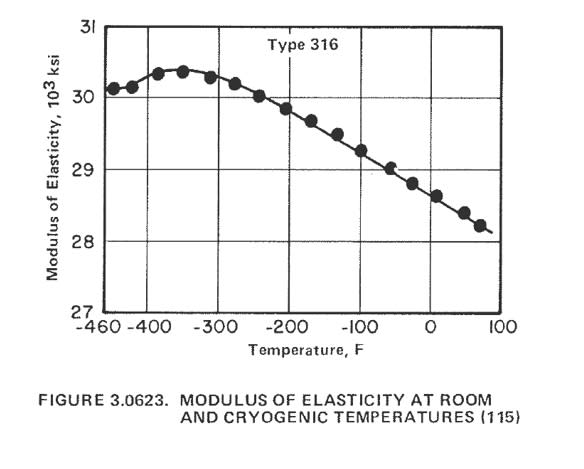
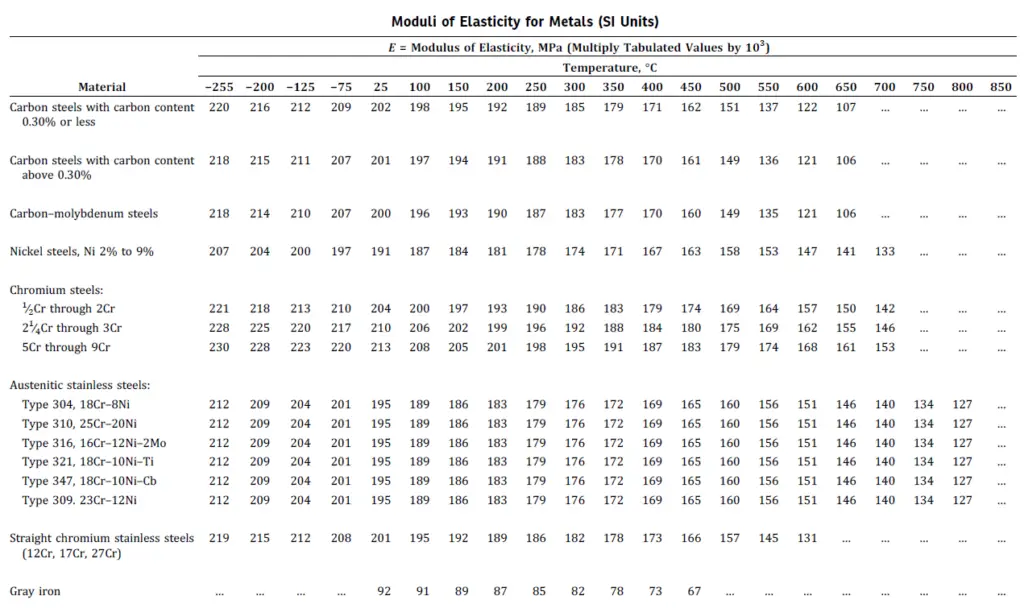
Alright, alright, get to the point, I hear you say! For stainless steel 316, the modulus of elasticity usually hovers around 193-200 GPa (Gigapascals). Yup, that's a big number. GPa sounds like a dinosaur, doesn't it? But no prehistoric creatures were harmed in the making of this article, I assure you.
Must Read
But wait, there's always a "but," isn't there? This number isn't set in stone. (Irony intended, considering we're talking about steel, not stone.) The exact value can wiggle around a bit depending on a few things. Things like:
- Temperature: Heat it up? It might get a little softer, and that modulus can change. Like warm butter versus cold butter on your toast. Big difference, right?
- Processing: How the steel was made and treated can also make a difference. Was it forged by a mythical blacksmith in a volcano? Probably not, but you get the idea.
- Specific Alloy Composition: Even tiny tweaks in the mix of ingredients that make up 316 can affect its properties. It's like baking a cake – a little too much salt, and suddenly it's... well, not cake anymore.
Think of the modulus of elasticity as a general guideline, not a rigid rule. It's more like a suggestion from a well-meaning friend, rather than an unbreakable law of physics. Okay, maybe mostly a law of physics, but you get my drift.

Why should I even care?
Good question! Why should you care about some random number related to metal? Well, if you're designing anything that uses stainless steel 316 (think bridges, buildings, medical implants – the cool stuff!), knowing its modulus of elasticity is crucial. You need to know how much it will bend or stretch under load to make sure your design doesn't, you know, fall apart. Catastrophic failure is generally frowned upon.
Imagine building a bridge without knowing how much the steel beams will flex. Yikes! Not a fun thought, is it?
This number helps engineers calculate things like deflection (how much it bends) and strain (how much it stretches). It's all about making sure things are safe and sound, and that things don't go boing when they should stay thud. (Technical terms, obviously.)
So, yeah, while it might sound super technical, the modulus of elasticity is a really important property. It helps engineers ensure structural integrity and prevents things from, well, breaking. Which is always a good thing. Right?
316 vs. Other Steels: Who's the Stretchiest?
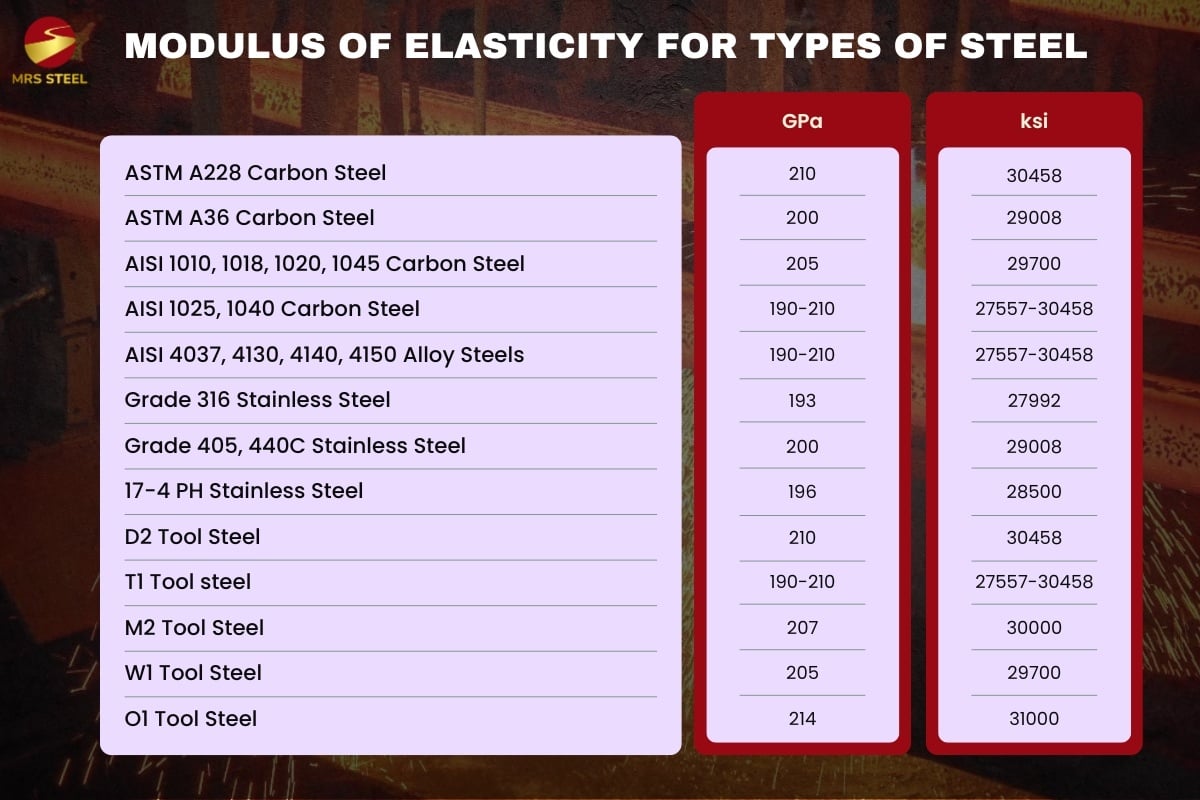
Stainless steel 316 is pretty good when it comes to strength and elasticity, but it's not always the winner. Other alloys might have slightly higher or lower values. It all depends on the specific application and what you need the material to do.
Basically, don't go around assuming 316 is the absolute best for every single situation. Do your research! Or, you know, ask a friendly engineer. We love talking about this stuff (maybe a little too much).
So, there you have it! A (hopefully) not-too-boring rundown of the modulus of elasticity of stainless steel 316. Now you can impress your friends at parties with your newfound knowledge. Just kidding... unless?
Hope this helped! Now, who's up for another cup of coffee?
