Min Bend Radius For Sheet Metal
Have you ever paused to admire the sleek, sturdy lines of your refrigerator door, the elegant curve of a designer chair, or the robust casing of your washing machine? Chances are, you're appreciating the unsung hero of countless everyday objects: the art and science of bending sheet metal. While it might sound like something only engineers would geek out over, understanding the basic principle of the "minimum bend radius" is actually key to why so many things around us are both beautiful and incredibly durable.
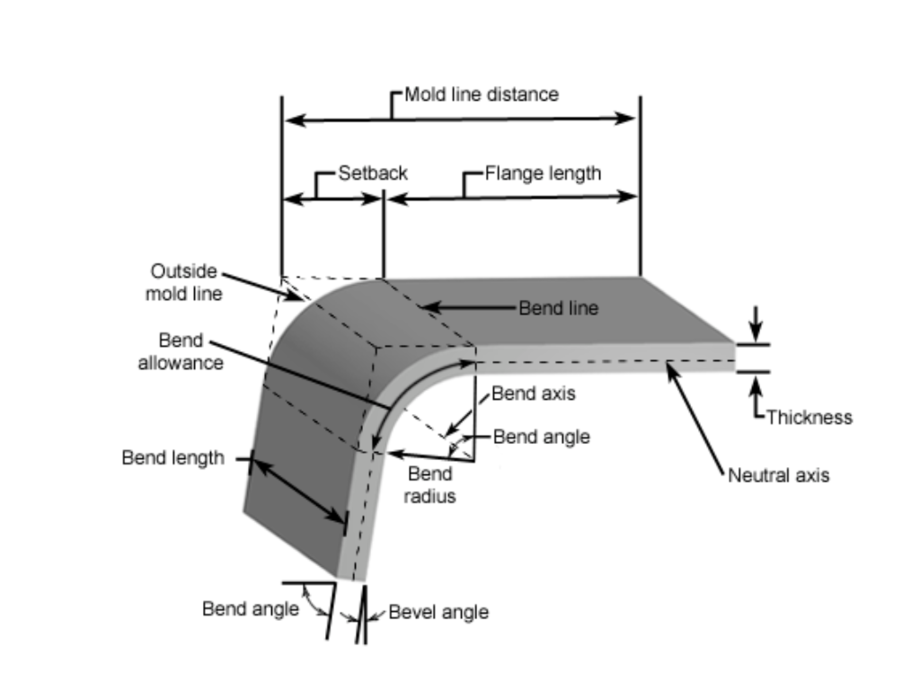
At its heart, bending metal is about shaping a flat sheet into something new and functional. But there's a trick: if you try to bend metal too sharply, like folding a piece of paper, it won't just crease; it will stretch, crack, or weaken significantly. This is where the minimum bend radius comes in. It’s the smallest curve you can put into a piece of sheet metal without causing it to fail or compromise its structural integrity. Think of it as the metal’s polite request: "Please, don't bend me that sharply, or I might break!"
So, why should you, a non-engineer, care about this? Because it directly impacts the quality, safety, and longevity of the products you use every single day. When manufacturers respect the minimum bend radius, they ensure that your appliances last longer, your furniture doesn't warp under stress, and the car parts keeping you safe on the road maintain their strength. It prevents stress concentrations that could lead to cracks over time, making items more reliable and ultimately, safer. It’s the difference between a product designed to endure and one prone to premature failure.
Must Read
You encounter the results of carefully considered bend radii everywhere. Look around! The smooth, continuous curves on the side of your computer case? Bend radius. The sturdy, angled brackets holding up your shelves? Bend radius. The complex, folded shapes that make up aircraft components or even the intricate parts of a coffee maker? All owe their existence and durability to this fundamental principle. It allows designers to create strong, lightweight structures that are both aesthetically pleasing and highly functional, transforming simple flat sheets into complex 3D forms without welding or excessive material waste.
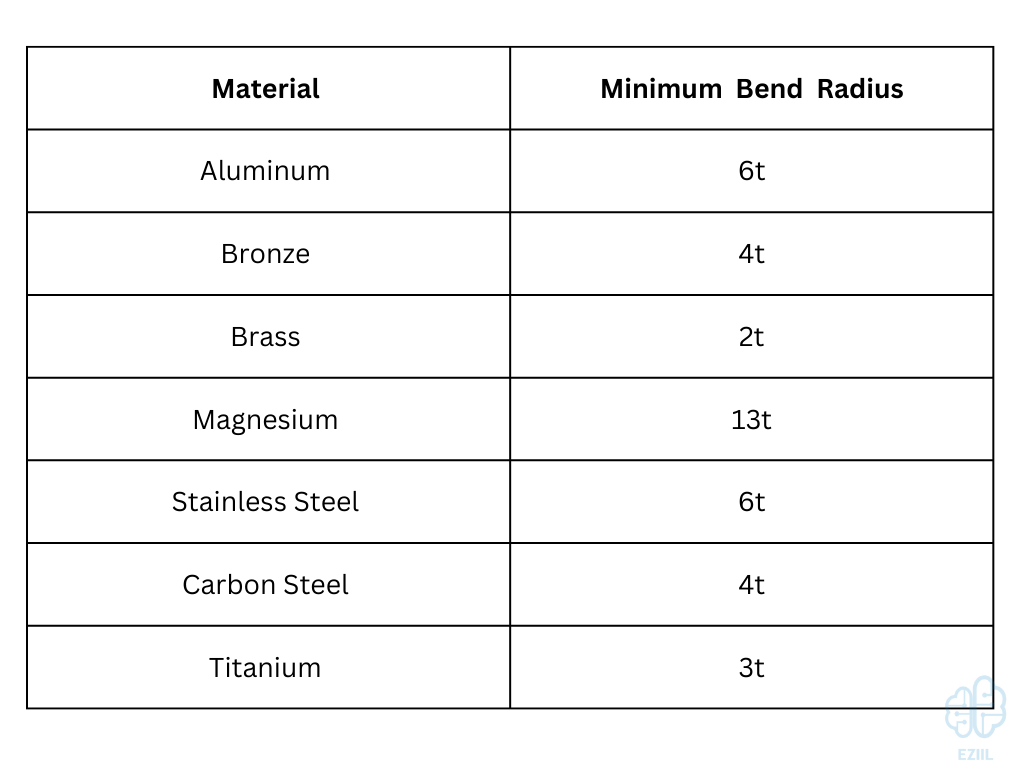
Want to appreciate the magic of bent metal more effectively? Here are a few tips! First, when you’re shopping for metal goods, take a moment to observe the bends. Smooth, consistent curves often indicate good design and manufacturing quality. Avoid items with excessively sharp, almost creased bends, especially if they look stressed or discolored – that could be a red flag. Second, if you're a DIY enthusiast dabbling in metal crafts, remember that different metals (steel, aluminum, copper) and thicknesses have different minimum bend radii. A gentle curve is almost always stronger and easier to achieve than a sharp angle. Always opt for a larger radius if possible to ensure strength and prevent material fatigue. Finally, simply acknowledging the thoughtful engineering behind everyday objects can deepen your appreciation for them. The next time you effortlessly open your oven door or lean back in a metal chair, give a silent nod to the humble, yet powerful, concept of the minimum bend radius – the silent guardian of strength and style.