
Mild Steel To Stainless Welding

Have you ever looked at two completely different things and thought, "Wouldn't it be awesome if these two could just... get along?"
Like, imagine a super comfy beanbag chair trying to buddy up with a sleek, polished sports car. Wild, right?
Well, in the world of metal, we have a similar kind of magical matchmaking happening all the time!
Must Read
The Dynamic Duo: Mild Steel and Stainless Steel
Meet our two main characters: Mild Steel, the reliable, tough-as-nails workhorse, and Stainless Steel, the dazzling, rust-defying superstar.
Mild Steel is like that dependable friend who's always there, ready to build sturdy foundations or hold things together with incredible strength. It's strong, it's affordable, and it loves to be painted.
But leave it out in the rain, and it might get a little grumpy, showing some rust spots. That's just its personality!
Then there's Stainless Steel. Oh, Stainless Steel! It's the smooth operator, the one that never seems to age, always looking pristine and shiny.
It laughs in the face of rust, making it perfect for anything that needs to stay sparkling clean, like kitchen countertops or medical instruments.
It's got that undeniable flair, that resistance to corrosion that makes it a true champion.
Bridging the Gap: A Match Made in Sparks!
Now, the fascinating part: what if you need the strength and affordability of Mild Steel in one spot, but the glistening, rust-proof beauty of Stainless Steel right next to it?
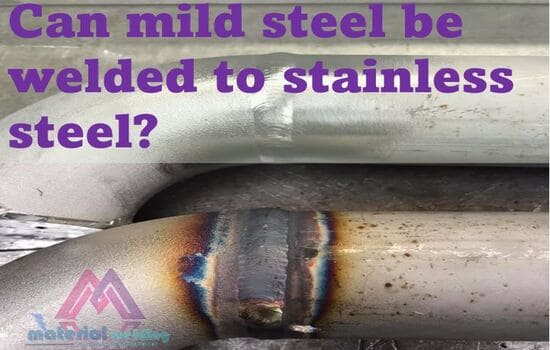
You can't just wish them together! They have different "personalities" when it comes to heat and how they want to join.
If you tried to join them directly with just any old welding rod, it would be like trying to mix oil and water – a messy, unstable situation.
They just wouldn't form a lasting bond, and nobody wants a metal relationship that crumbles under pressure!
This is where the magic of "transitional" welding comes in. We need a special matchmaker, a wise mediator, to bring these two magnificent metals together.
Enter the legendary 309L Stainless Steel Filler Rod (or its similar superhero cousins!). This isn't just any old wire; it's the diplomat of the welding world.
It's designed with just the right blend of chromium, nickel, and other magical elements to get along with both Mild Steel and Stainless Steel.
Think of it as the ultimate party host, making sure everyone feels comfortable and happy, creating a seamless connection.
The Welder's Art: Making Metal Harmony
So, how does this grand wedding of metals actually happen? It's a delicate dance, a performance where sparks fly and beauty is born.

First, cleanliness is absolutely paramount. We're talking sparkling surfaces, free from any dirt, grease, or grime.
It's like preparing a gourmet meal; you wouldn't start with dusty ingredients, would you? Clean metal ensures a strong, happy weld.
Next, the welder, our metal maestro, chooses their instrument. Often, they'll pick a TIG or MIG welding process for this delicate operation.
TIG welding is like painting with a tiny, precise brush, offering incredible control and beautiful, smooth results. It's for the artists among us.
MIG welding is more like a high-speed spray painter, fast and efficient, great for getting the job done with robust strength. Both can do the trick!
The trick is managing the heat. Stainless Steel is a bit more sensitive to heat than Mild Steel.
So, our welder has to be a gentle giant, directing the heat more towards the tougher Mild Steel side.
"It's like cooking a fancy dish," a seasoned welder once told me. "You want to cook both parts perfectly without burning either one. The filler metal is your secret seasoning!"
The 309L filler metal melts and blends with both sides, forming a transition zone that's strong, ductile, and incredibly robust.

It's a beautiful moment when you see that glowing puddle, seamlessly joining the different textures and personalities of the two metals.
Where This Metal Magic Happens
Why go through all this delightful effort? Because it opens up a world of possibilities!
Imagine a huge water tank. The main structure might be strong, cost-effective Mild Steel.
But the pipes connecting to it, carrying pristine drinking water, need to be rust-proof and hygienic Stainless Steel.
A quick weld with our special filler, and voila! Perfect harmony and functionality.
In the food industry, this is a lifesaver. You often see Stainless Steel surfaces that touch food welded to a more structural Mild Steel frame.
It saves costs by not making the entire machine out of super-expensive Stainless Steel, while still keeping food safe. Clever, right?
Think about custom exhaust systems on a fancy car. The main pipes might be Stainless Steel for long life and shine.

But perhaps it connects to a hanger or a bracket made of stronger, easier-to-work-with Mild Steel. Welding them together lets you combine the best of both worlds!
Even in art and sculpture, welders love this technique. They can blend the raw, industrial feel of Mild Steel with the sleek, modern elegance of Stainless Steel.
It creates textures and contrasts that make pieces truly pop and tell a story.
The Joy of Joining Metals
So, the next time you see a combination of rough-and-ready Mild Steel and gleaming Stainless Steel, give a little nod.
You'll know that a clever welder, armed with a special filler rod and a whole lot of skill, performed a beautiful act of metal matchmaking.
They didn't just stick two pieces of metal together; they engineered a bond, a partnership, that brings out the best in both.
It’s a testament to ingenuity, problem-solving, and the sheer joy of watching materials come together to create something stronger and more versatile than they could ever be alone.
It truly is a metal marvel, proving that even the most different personalities can find common ground and build something incredible together!