Mig Welding Gas Flow Rate Chart
Have you ever watched a skilled welder at work, sparks flying, creating something solid and strong out of raw metal? It’s a bit like modern-day alchemy, isn't it? If you've ever thought about dipping your toes into the world of metal fabrication, whether for a DIY project, some creative metal art, or just understanding how things are built, then you'll quickly encounter something called MIG welding. It's one of the most popular and accessible welding methods, often described as "point and shoot" because of its relative ease of use.
But here’s a little secret ingredient to a truly beautiful, strong MIG weld: the gas flow rate. It might sound a bit technical, but trust me, understanding this simple concept, especially with a helpful MIG welding gas flow rate chart, can elevate your welding from "okay" to "awesome" in no time. It’s not just for pros; it’s for anyone curious about making metal join seamlessly.
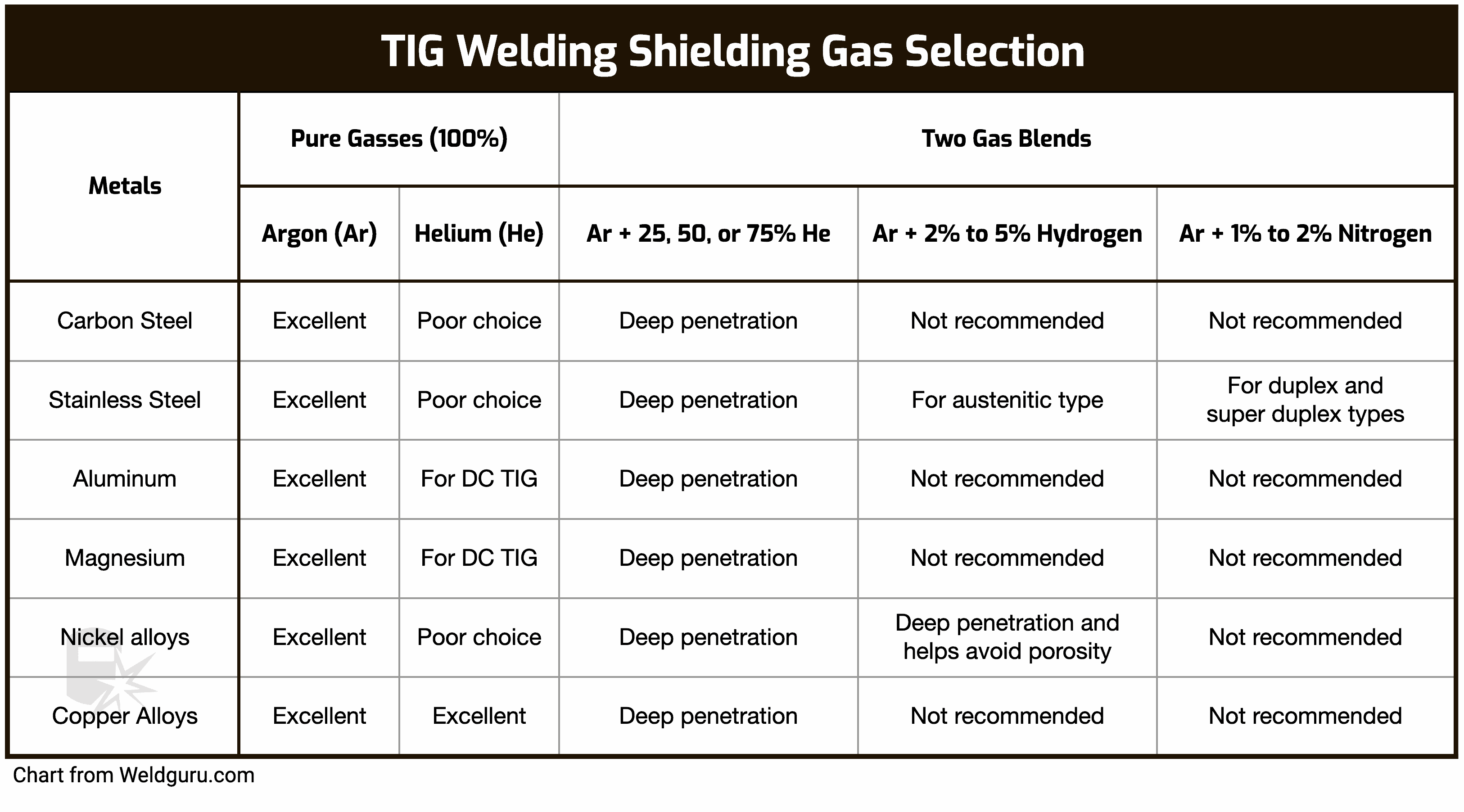
So, what exactly is this mysterious gas, and why does its flow rate matter? When you’re MIG welding, you're not just melting metal; you’re creating a molten puddle that's incredibly vulnerable to the air around it. Oxygen and nitrogen, normally our friendly atmospheric gases, become contaminants that can weaken your weld, making it brittle or full of tiny holes (what welders call porosity). That’s where the shielding gas comes in. It flows out of your welding gun, creating a protective bubble around that molten metal, keeping the bad stuff out.
Must Read
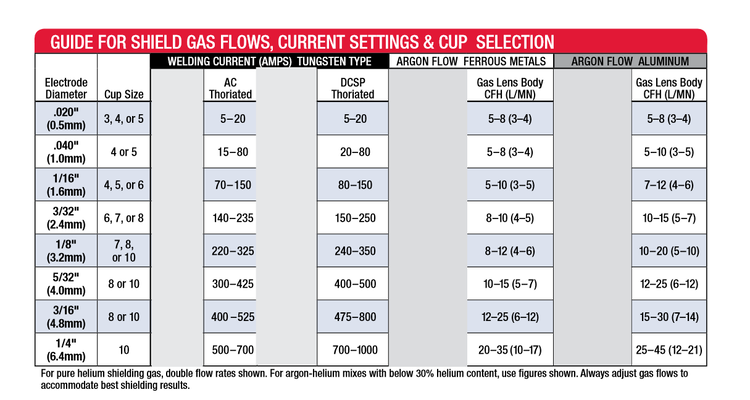
The gas flow rate chart is essentially your personal cheat sheet for how much of that protective gas you need. It typically suggests a range, measured in cubic feet per hour (CFH) or liters per minute (L/min), depending on factors like the type of metal, its thickness, and the welding environment. The benefits are huge: get it right, and you’ll achieve superior weld quality – stronger, cleaner, and better-looking welds. Get it wrong, and you risk weak welds, wasted gas (if too much is flowing), or even turbulence that pulls air into your weld puddle. It’s all about finding that sweet spot for efficiency and strength.
Where might you encounter this knowledge in daily life or education? In vocational schools and welding programs, students learn early on that the gas flow rate is as critical as voltage and wire speed. They use these charts constantly to understand the impact of different settings. For the everyday enthusiast, imagine you’re building a custom metal rack for your garage, fixing a broken gate, or even crafting a unique piece of metal art. Your welder’s manual will likely have a chart, guiding you to the optimal settings for your specific project. It takes the guesswork out of achieving a perfect weld, ensuring your efforts result in something durable and visually appealing.
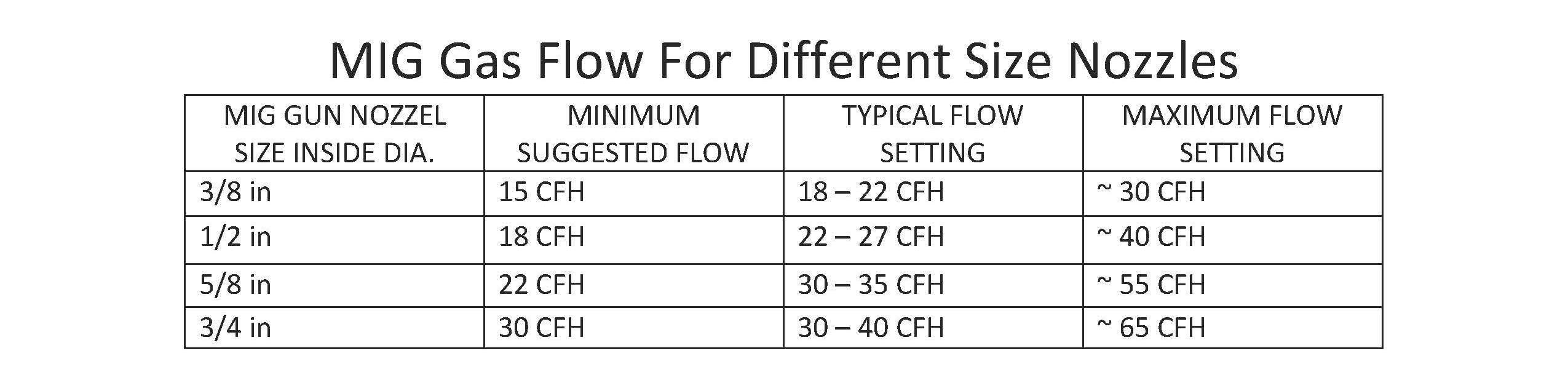
Want to explore this yourself? It’s surprisingly accessible! Most MIG welders come with a regulator that has a gauge to show your gas flow rate. Start by looking up a basic MIG gas flow rate chart online (there are tons of free resources!). Pick a scrap piece of metal, set your regulator to the recommended CFH, and make a test weld. Then, try adjusting it a little higher or lower. You'll likely see a noticeable difference in the weld bead – how smooth it is, if it has tiny holes, or if it splatters excessively. Listen to the sound of your weld, too; a good flow often sounds like sizzling bacon, while poor flow might lead to more popping or crackling.
The key is experimentation on scrap metal. Don't be afraid to tweak the settings a bit; the charts are excellent starting points, but environmental factors (like a breezy garage) can sometimes necessitate minor adjustments. Always remember to prioritize safety with proper personal protective equipment (PPE). Understanding the humble gas flow rate chart isn't just about technical welding; it's about unlocking better results, being more efficient, and gaining a deeper appreciation for the fascinating world of metal fabrication. Happy welding!
![Untitled Document [www.netwelding.com]](http://www.netwelding.com/Suggested_Flow_Rate_Chart.jpg)