Mig Tig Stick Welder Difference
Ever gazed at sparks flying, heard that crackle, and thought, "What on earth is going on there?" Welding, my friend, is a world of pure magic – well, metal-melting magic. It's not just some brute forcing metal together; it's an art, a science, and honestly, super cool to talk about!
Turns out, not all welding is created equal. There are three big stars in the welding show: Mig, Tig, and Stick. And they're about as different as a speedy cheetah, a graceful ballerina, and a grumpy but strong bear. Let's dive into this fiery trio and uncover their quirky personalities!
Meet Mig: The Speedy Hot Glue Gun
First up, say hello to Mig welding (that's short for Metal Inert Gas, if you're feeling fancy). This is often called the "hot glue gun" of the welding world, and for good reason! If you're new to the spark-slinging game, Mig is your best buddy. It's incredibly forgiving and surprisingly easy to pick up.
Must Read
Here’s the deal: Mig uses a wire that feeds automatically from a spool through the welding gun. You literally just point and shoot! Press the trigger, and the wire zips out, melts, and joins your metal pieces together. All while a protective gas (usually a mix of argon and CO2) shields the molten metal from nasty air contaminants. Think of it as a super-fast, super-hot delivery service for filler metal.
What does it sound like? Imagine bacon sizzling happily in a pan – that perfect, consistent crackle is the sound of a good Mig weld. It creates smooth, pretty beads with minimal cleanup, which is why it's a favorite for car repairs, home projects, and pretty much anything where speed and ease are key. It’s the ultimate combination of fast food and fine dining for metal joining. You can weld thin sheet metal or thicker stuff, making it incredibly versatile for hobbyists and professionals alike. It’s a true crowd-pleaser!
Then There's Tig: The Precision Ballet Dancer
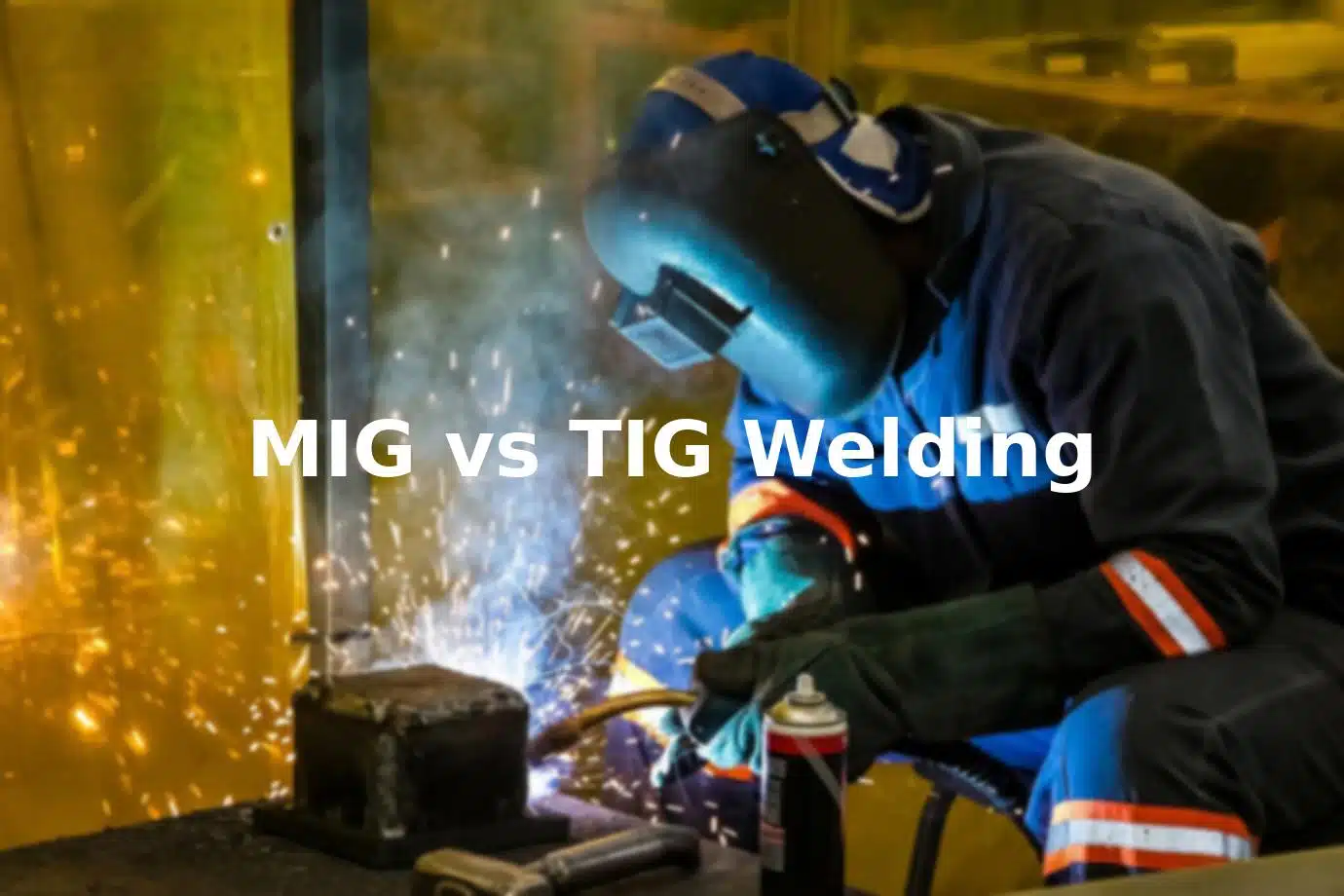
Now, let's talk about Tig welding (that's Tungsten Inert Gas). If Mig is the easy-going hot glue gun, Tig is the prima ballerina or the precision surgeon of welding. It's elegant, quiet, and absolutely beautiful, but oh boy, does it demand skill!
Tig welders use a non-consumable tungsten electrode (tungsten is super strong, it won't melt into your weld) to create an arc. You hold a separate filler rod in your other hand, dipping it into the molten puddle as needed, all while pressing a foot pedal to control the heat. It’s like trying to pat your head, rub your belly, and juggle flaming torches – all at once! Seriously, coordination is king here.
Why bother with all that fuss? Because Tig produces welds that are nothing short of art. Think super clean, incredibly strong, and almost invisible beads that look like a stack of tiny dimes. It's perfect for delicate work, thin metals (aluminum, stainless steel, titanium), and anything that needs to look absolutely flawless – aerospace components, custom exhaust systems, or even sculptures. Tig is where the true welding artists shine, creating welds so perfect they make your heart sing (or at least, make other welders very jealous). It's the Ferrari of welding, sleek, powerful, and a joy to watch in skilled hands.
And Finally, Stick: The Rugged Workhorse
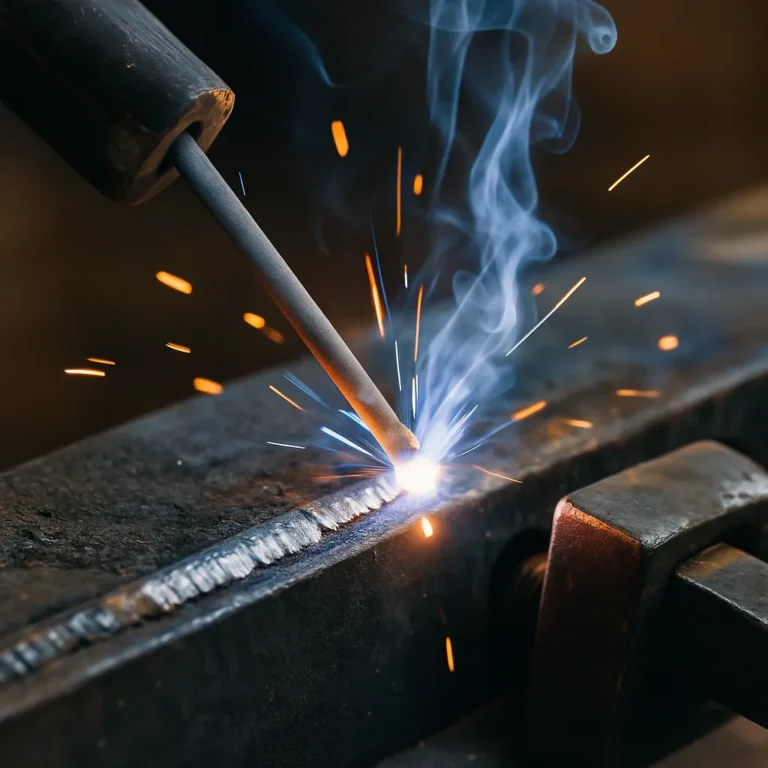
Last but certainly not least, we have Stick welding (also known as Shielded Metal Arc Welding, or SMAW for the acronym enthusiasts). This is the granddaddy of them all, the original gangster, the rugged workhorse that just keeps on going. It’s not pretty, it’s not delicate, but boy, is it tough!
Stick welding uses a consumable electrode (the "stick" itself) coated in a special flux. As the stick melts, the flux creates a gas shield and also forms a layer of slag over the weld. This slag protects the weld as it cools, and then you chip it off later. It's a bit like eating a lollipop and then having to unwrap it – twice! It’s loud, it’s smoky, and it throws sparks everywhere. Don’t expect quiet elegance here!
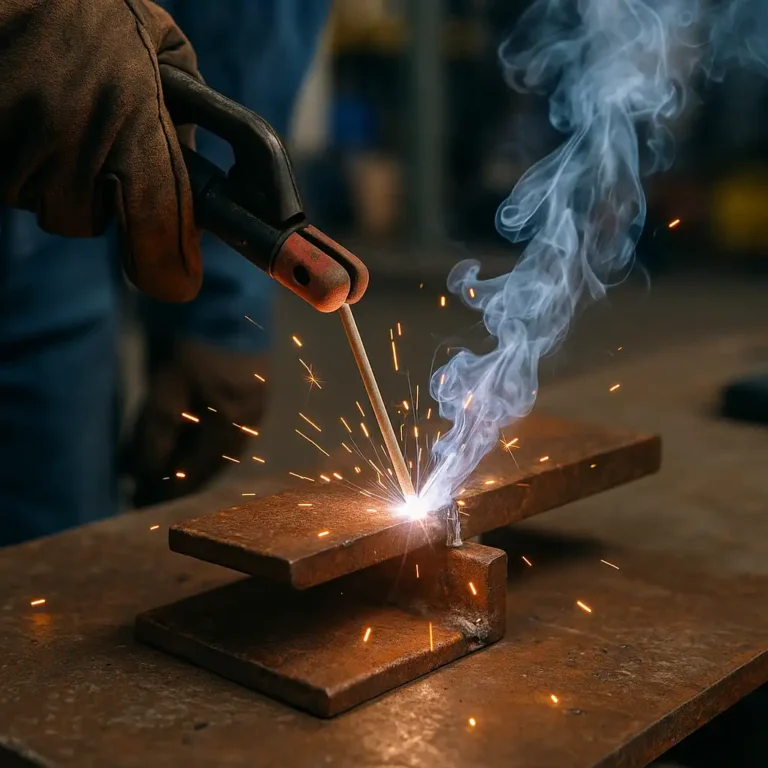
But don't let its messy demeanor fool you. Stick is the ultimate survivor. It can weld dirty, rusty, or painted metal with surprising effectiveness, and it's fantastic for thick materials and outdoor work where wind might blow away the protective gas of Mig or Tig. Think structural steel, farm equipment, heavy machinery, or anything that needs to be ridiculously strong and hold up to a beating. It's the go-to for farmers, ironworkers, and anyone who needs a solid, no-nonsense connection that won't quit. It’s the burger and fries of welding – reliable, satisfying, and gets the job done without any frills.
So, Why Does It Matter?
Knowing the difference between Mig, Tig, and Stick isn't just for gearheads or trade school students. It's about appreciating the incredible skill and ingenuity behind every metal structure you see! From your car's chassis to towering skyscrapers, each weld tells a story of precision, speed, or raw strength.
So next time you spot a welder, you'll know a little secret. You'll understand if they're playing a delicate symphony with Tig, hot-gluing parts with Mig, or building something bomb-proof with a trusty Stick. It's a whole new lens through which to see the world, making everyday objects suddenly fascinating. Who knew sparks could be so enlightening?