
Metals Non Metals And Metalloids In Periodic Table
Ever looked at a shiny new phone, a rusty old bike, or even the dirt in your garden and wondered what makes them so different? The answer, in part, lies in the fascinating world of the Periodic Table and its three main characters: metals, non-metals, and the slightly mysterious metalloids.
Think of the Periodic Table as a huge seating chart at a cosmic dinner party, where each element has its designated spot. This chart isn't just some random arrangement; it neatly organizes all known elements based on their properties. And these properties largely dictate whether an element behaves like a metal, a non-metal, or something in between.
Metals: The Shiny Superstars
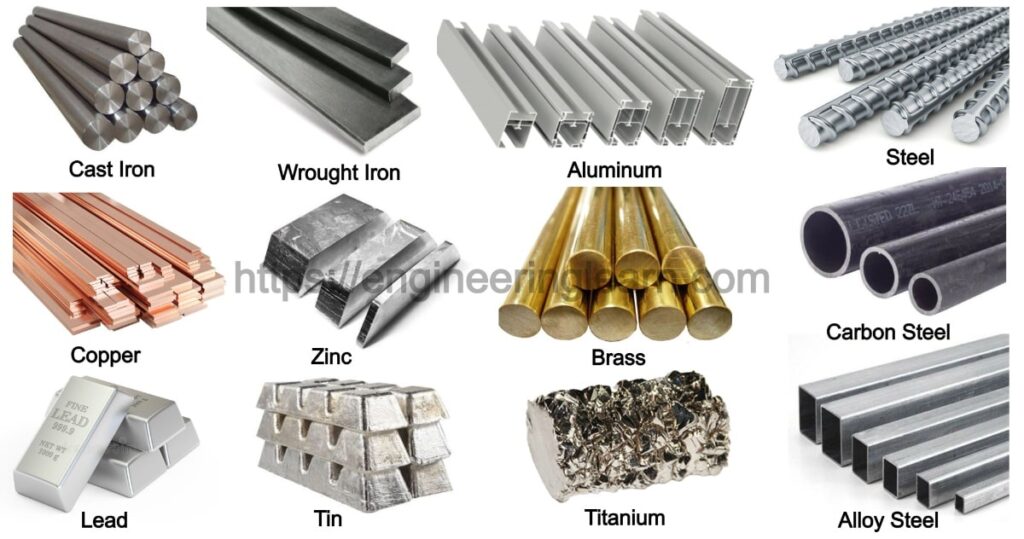
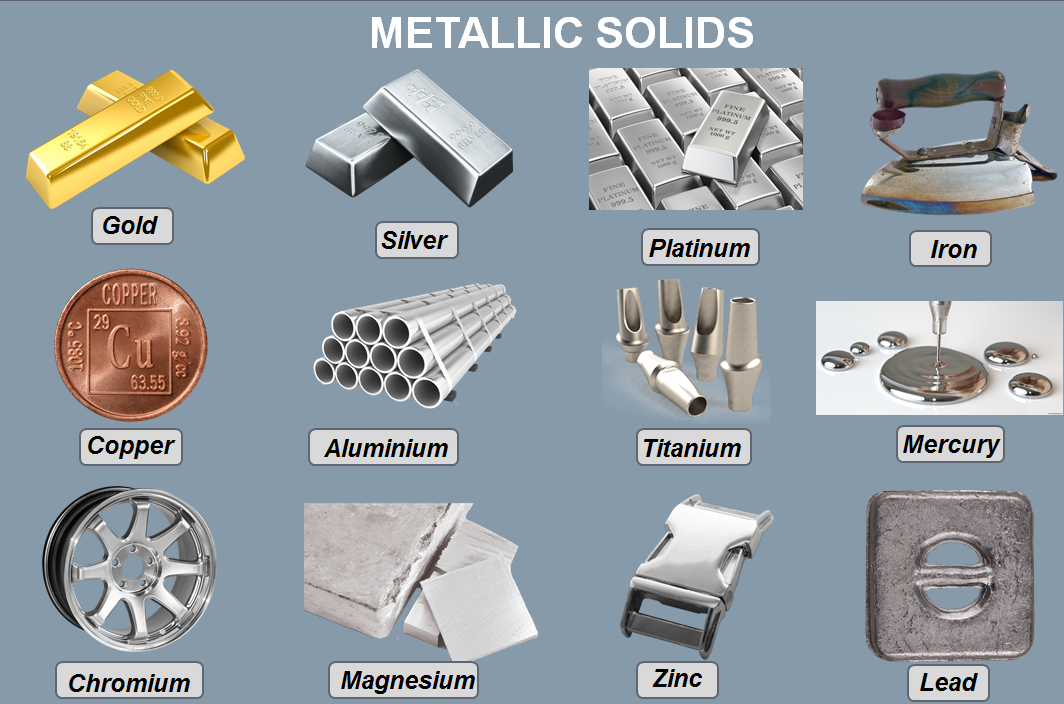
Let's start with the metals. These are the rockstars of the element world! They're generally shiny, good conductors of heat and electricity, and bendable (we say they're malleable and ductile). Think of that copper wiring in your walls that powers your lights, the aluminum foil you use to wrap your leftovers, or the iron in your sturdy frying pan.
Must Read
Metals are like those dependable friends who are always ready to lend a hand (or, in this case, an electron!). They happily donate their electrons to form positive ions, making them incredibly reactive with other elements. Remember that rusty old bike we mentioned? That's iron (a metal) reacting with oxygen and water in the air – a perfect example of their energetic nature!
Gold and silver, famous for their beauty and resistance to corrosion, are also metals. They're the reason we have stunning jewelry and valuable coins. See? Metals aren't just about practicality; they also bring a touch of sparkle to our lives.
Non-metals: The Versatile Villains (or Heroes?)
Now, let's move on to the non-metals. These guys are a bit more diverse and can be a little less predictable than metals. They're generally poor conductors of heat and electricity, and they don't have that characteristic metallic shine. Think of the oxygen you breathe, the carbon in charcoal, or the sulfur in matches. See, already we have life, fuel and fire! Pretty important!
Non-metals tend to gain electrons to form negative ions. They can be gases (like oxygen and nitrogen), liquids (like bromine), or solids (like sulfur and carbon) at room temperature. Unlike their metallic counterparts, non-metals are often brittle and break easily when hammered.

While they might not sound as immediately "useful" as metals, non-metals are absolutely essential. Carbon is the backbone of all organic molecules, meaning it's in everything from your DNA to your dinner. Nitrogen is a crucial component of fertilizers that help grow our food. And chlorine disinfects our drinking water! Non-metals are the unsung heroes working tirelessly behind the scenes.
Metalloids: The In-Betweeners
And finally, we have the metalloids (also sometimes called semi-metals). These are the elements that like to keep things interesting! They sit on the borderline between metals and non-metals, exhibiting properties of both. Think of them as the chameleons of the element world, adapting their behavior depending on the conditions.

Silicon and germanium are the most well-known metalloids. These elements are essential semiconductors, meaning they conduct electricity under certain conditions but not others. This unique property makes them the backbone of modern electronics. Without metalloids, we wouldn't have computers, smartphones, or even most digital watches! Talk about impactful!
Metalloids are like that friend who can fit in with any group. They might be a little quirky, but they're incredibly valuable because of their versatility.
Why Should You Care?
So, why should you care about metals, non-metals, and metalloids? Well, understanding these elements helps you understand the world around you. From the materials that build our homes to the technologies that connect us, these elements play a vital role in shaping our lives.
Knowing the basic properties of these elements can even make you a smarter consumer. You'll understand why some pots and pans are better at conducting heat than others, why certain materials are used in electronics, and why some metals are more prone to rust than others. Plus, you'll sound super smart at parties!
Ultimately, the Periodic Table isn't just a chart of elements; it's a map to understanding the building blocks of our universe. So next time you look at something, anything, take a moment to appreciate the amazing properties of the metals, non-metals, and metalloids that make it possible. You might be surprised by what you discover!