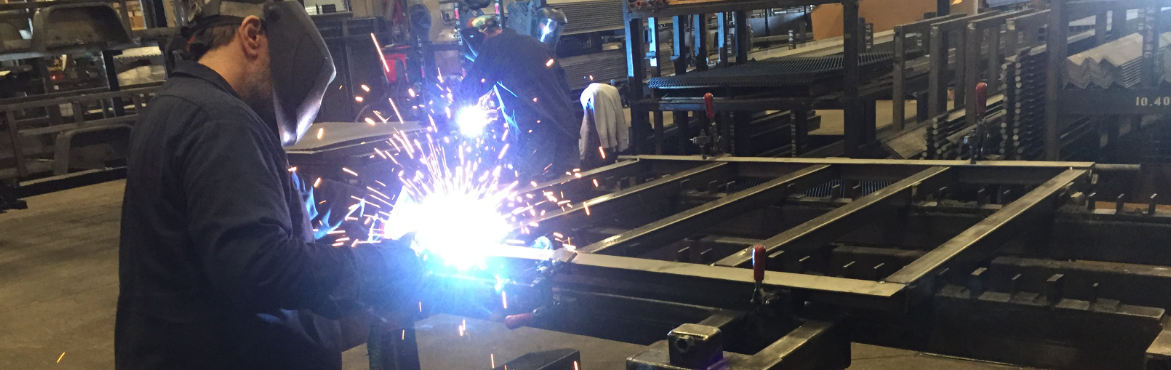
Metal With A Higher Carbon Content Is Easier To Weld

Ever noticed the intricate metal sculptures popping up in parks, the custom brackets holding up your friend's ridiculously oversized TV, or even the cool, industrial-chic furniture gracing the pages of design magazines? A lot of that impressive metalwork owes its existence to a material that's surprisingly forgiving for beginners: metal with a higher carbon content. Yes, you read that right. That often-maligned "high carbon" label isn't something to shy away from, especially if you're looking to spark your creativity with a welding torch!
For artists, hobbyists, and even those just curious about the world of metalworking, higher carbon steel opens up a world of possibilities. The key lies in its enhanced weldability. Simply put, it's easier to fuse together. This means less frustration, fewer splatters, and ultimately, more satisfying results. Imagine crafting delicate garden art, building robust furniture frames, or even repairing your own tools – all made easier with a material that’s more accommodating to the learning curve. It's a confidence booster, pure and simple.
Think about the range of projects you could tackle. Consider the bold, geometric sculptures often created with steel bars – the clean lines and solid joins are achievable thanks to the material's forgiving nature. Then there are the rustic, farmhouse-style furniture pieces, often featuring visible welds that add to their charm. High carbon steel also lends itself well to creating personalized tools, brackets, or even artistic wall hangings. From intricate floral designs to abstract geometric forms, the possibilities are truly endless. Styles can range from minimalist and modern to highly ornate and traditional.
Must Read
Want to give it a try at home? Here are a few tips to get you started:
- Safety First: Welding requires proper safety gear. Always wear a welding helmet, gloves, and appropriate clothing to protect yourself from sparks, fumes, and UV radiation.
- Proper Ventilation: Ensure you're working in a well-ventilated area. Welding fumes can be harmful, so fresh air is crucial.
- Start Small: Don't try to build a complex sculpture right away. Begin with simple welds – joining two pieces of metal together – to get a feel for the material and your equipment.
- Clean Your Metal: Remove any rust, paint, or dirt from the surfaces you'll be welding. Clean metal makes for stronger and cleaner welds.
- Practice Makes Perfect: Welding is a skill that improves with practice. Don't be discouraged if your first welds aren't perfect. Keep practicing, and you'll see improvement over time. Consider using scrap metal for practice.
The real joy of working with weldable steel lies in the creative freedom it offers. It's about taking raw materials and shaping them into something beautiful, functional, or simply interesting. The satisfaction of creating something with your own hands, of seeing your vision come to life in metal, is a reward in itself. And with a material that’s a bit more forgiving, the journey is all the more enjoyable. So, grab your gear, fire up that welder, and let your imagination run wild! Embrace the spark, and unleash your inner metal artist!