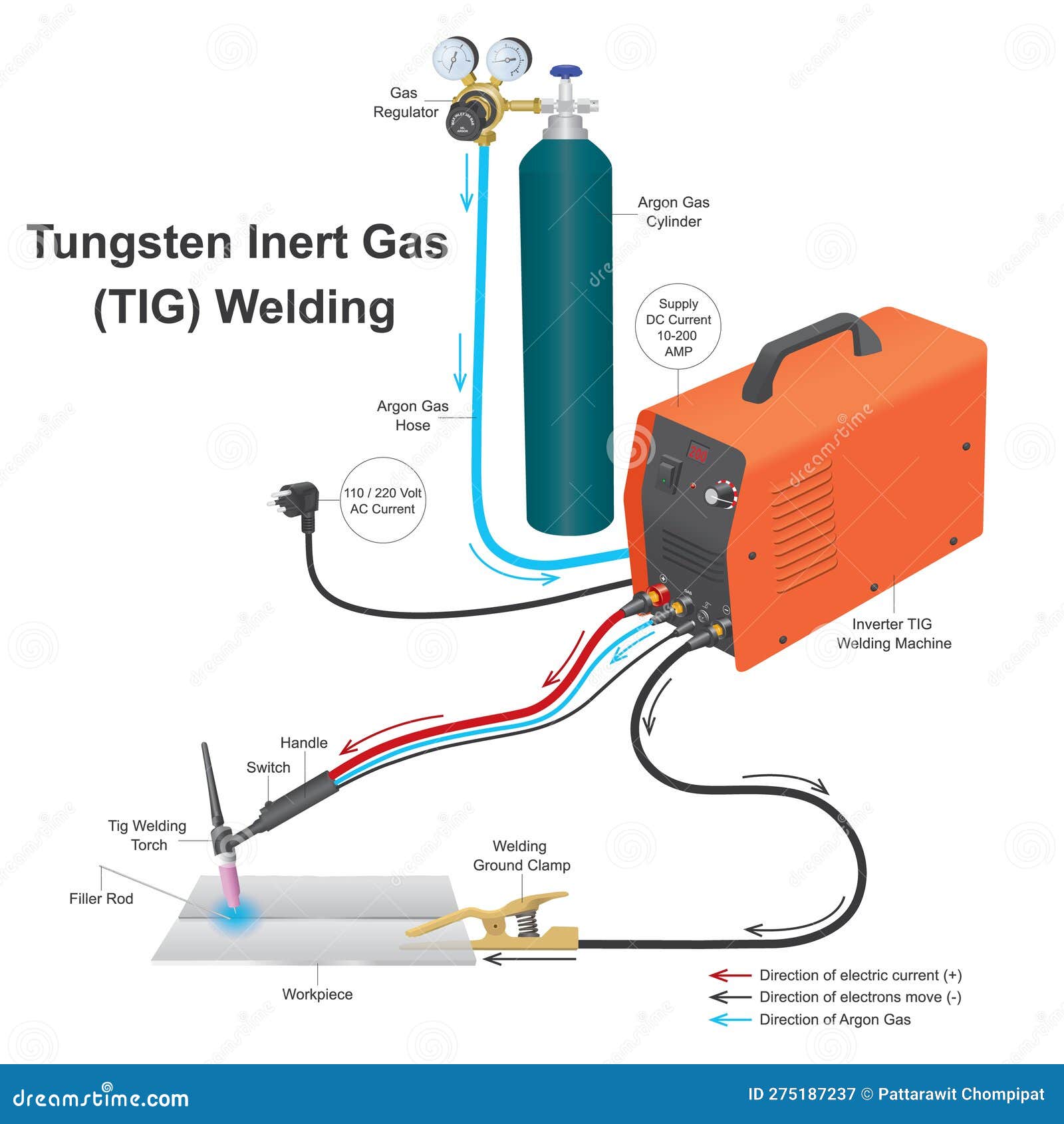
Metal Inert Gas Welding Machine
Ever wanted to turn raw steel into a sleek garden sculpture or a custom bike frame? Forget intimidating sparks. We're talking Metal Inert Gas Welding Machine, better known as MIG welding – your accessible gateway to metal fabrication.
If you've watched metal effortlessly join with a smooth, continuous bead, that was likely MIG. It’s the darling of workshops and home garages alike, largely because it’s incredibly forgiving and easy to learn. Think of it as the power tool that finally lets you speak the language of steel.
What Makes MIG So Special?
At its heart, a MIG welder uses a continuously fed wire electrode that melts and joins metals. An inert shielding gas (argon/CO2 mix) protects the weld pool from contamination. This means cleaner, stronger welds without messy slag – like an invisible force field!
Must Read
The beauty? It's often called a "point and shoot" process. You pull the trigger, the wire feeds automatically, creating a consistent arc. This makes achieving beautiful, strong welds significantly easier, even as a beginner. No wonder it's a go-to for automotive enthusiasts and artists alike.
Your First Foray: Getting Started
So, you're ready to dip your toes into the metal-joining waters? Here’s what you need to know.

Safety First, Always!
Before striking an arc, remember: safety is non-negotiable. You'll need an auto-darkening welding helmet, thick leather gloves, a flame-resistant jacket, and closed-toe shoes. Good ventilation is also key – open a garage door or use a fan. Sparks can cause fires!
The Sweet Spot: Settings and Technique
Finding the right balance of wire speed and voltage for your material thickness is key. Too fast/much, you burn through; too slow/little, you get a cold, weak weld. Most machines have helpful charts, and online resources abound.
Practice on scrap metal – hours of it. Get comfortable with the "push" or "pull" technique, observing how different angles affect the weld bead. You're aiming for a consistent, even bead that looks like stacked dimes – a true sign of mastery!
Beyond the Workshop: Fun Facts & Culture
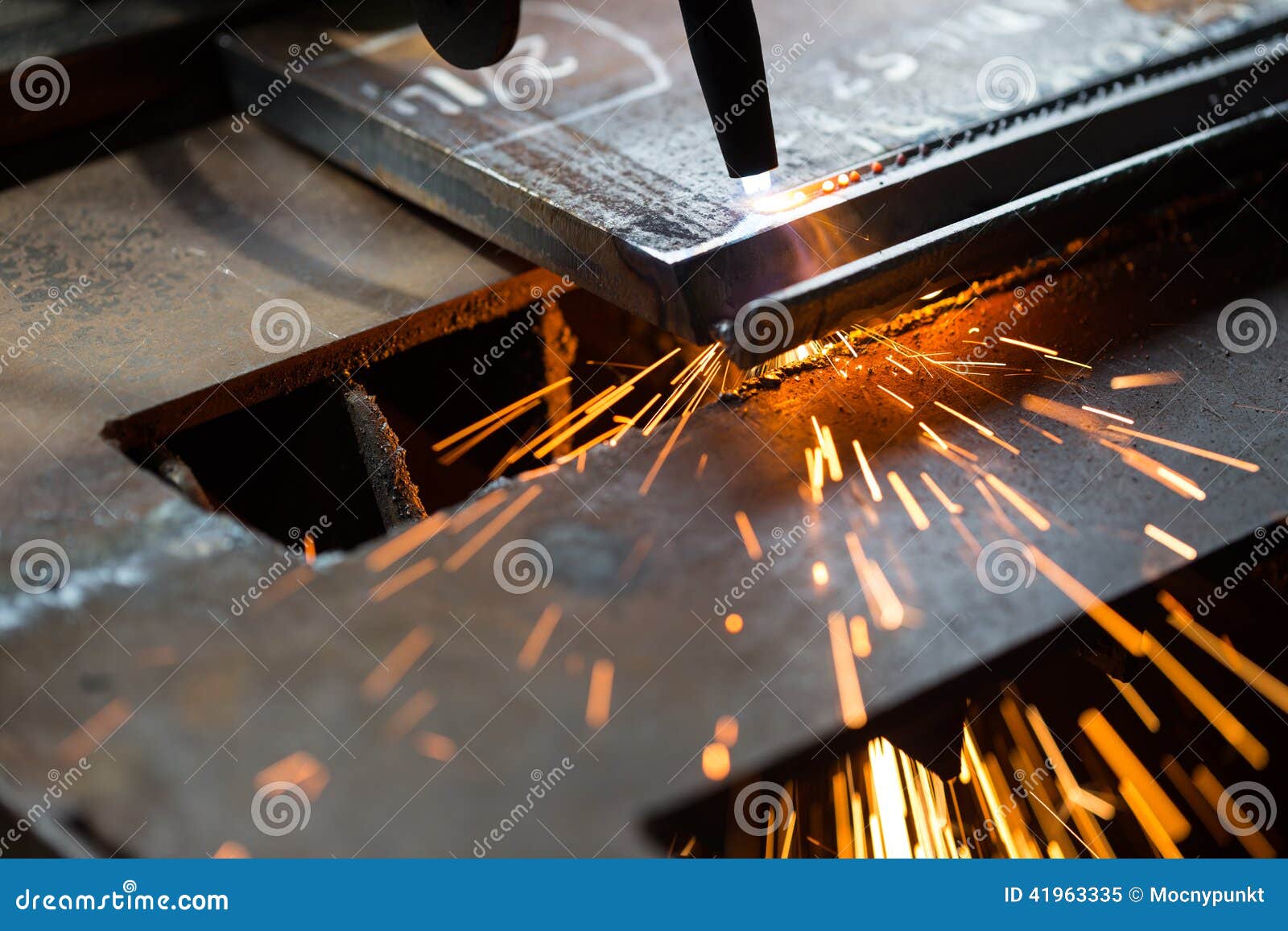
Did you know MIG welding was developed in the 1940s and rapidly adopted in the post-war industrial boom? Its efficiency helped build everything from ships to skyscrapers – a quiet hero of modern infrastructure!
From custom choppers in biker rallies to intricate stage sets, MIG welding is everywhere. Even in Hollywood, props and special effects teams rely on its versatility to create everything from futuristic spacecraft to rugged post-apocalyptic vehicles.
Choosing Your First Machine
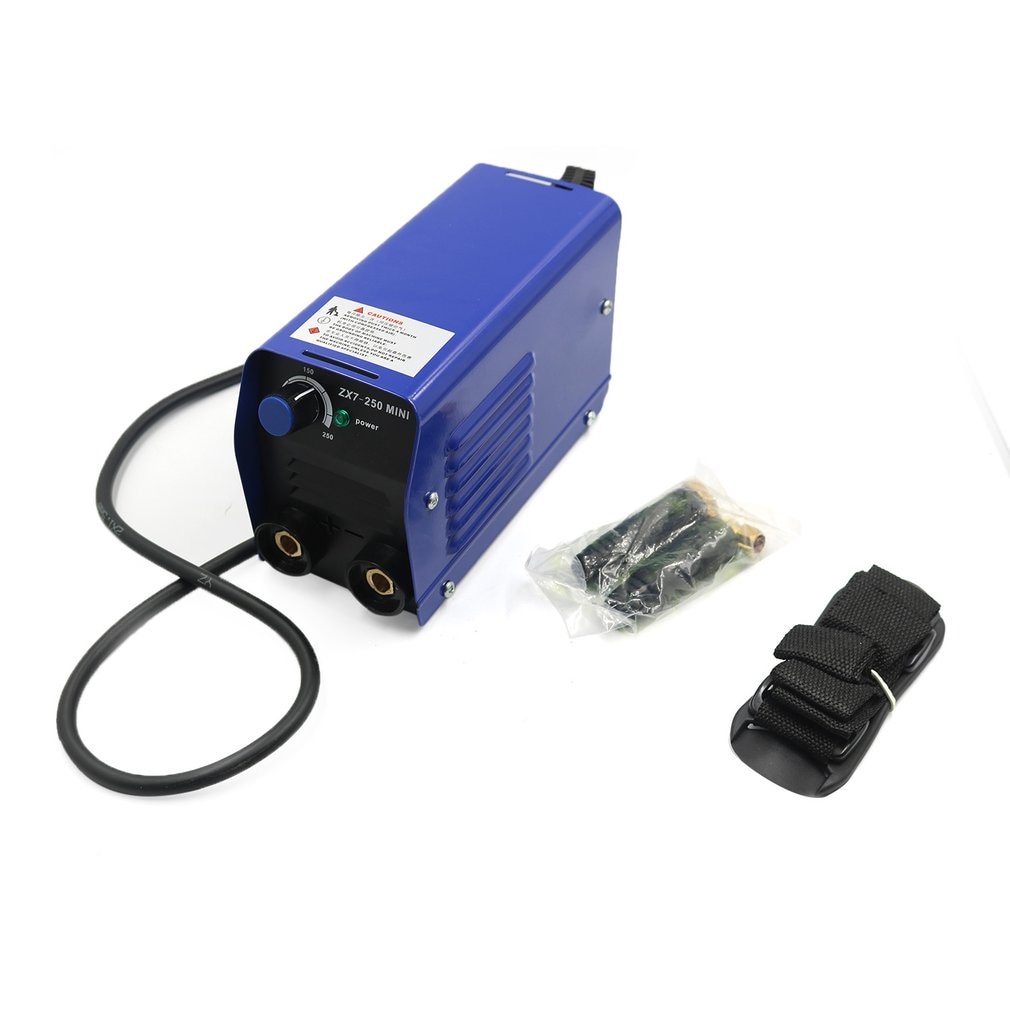
For home use, look for a 110V "flux core" MIG welder if avoiding gas initially. Flux core wire creates its own shielding. For cleaner, spatter-free welds, a machine supporting external shielding gas ("gas MIG") is ideal. Many reputable brands offer fantastic entry-level machines. Read reviews and ask experienced welders.
The Spark of Everyday Life
Learning to MIG weld isn’t just about joining metal; it's about connecting ideas, transforming raw materials, and gaining a profound sense of accomplishment. It’s the satisfying click of two pieces becoming one, a testament to your skill and patience.
In a world where so much is disposable, being able to repair, create, or customize with your own hands is incredibly empowering. It taps into that primal human drive to build, to fix, to make. So, why not ignite your inner maker? The next time you admire a sturdy metal gate, remember the humble MIG welder, ready to help you turn your next big idea into reality. Go on, give it a try – the sparks might just surprise you!