
Metal Finishing Services For The Defense Industry
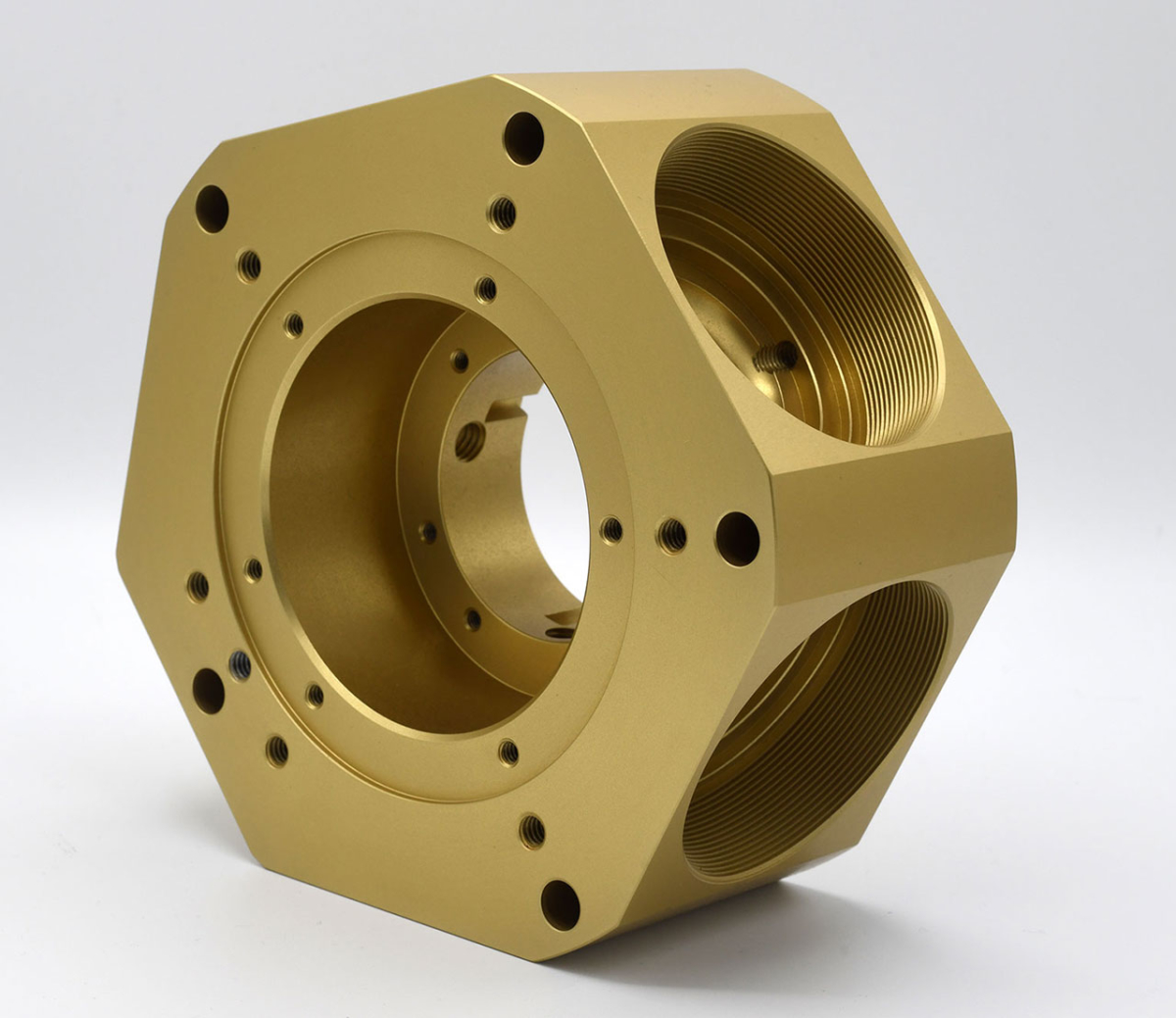
Okay, picture this: you're building the ultimate LEGO castle. It's got turrets, drawbridges, maybe even a little dragon hanging out on the roof. But it's all just...plastic. Kind of flimsy, right? You wouldn't want that castle defending your cereal bowl from a rogue dust bunny invasion. That's where metal finishing comes in, but instead of LEGOs, we're talking about incredibly important stuff for the defense industry. Things that really, REALLY need to be tough.
What's the Big Deal About Metal Finishing?
Basically, metal finishing is like giving metal a superhero makeover. It's all about making metal stronger, more resistant to corrosion, and just generally more awesome. Think of it as adding a super-powered force field, but instead of repelling lasers, it's repelling rust, wear, and tear, and the occasional grumpy seagull (okay, maybe not seagulls, but you get the idea).
Without metal finishing, a critical part on a fighter jet could corrode mid-flight. And believe me, nobody wants to explain to the pilot why his ejector seat is now a rusty paperweight. Or imagine a tank track grinding to a halt in the middle of… well, wherever tanks go. Not a good look!
Must Read
So, How Do They Do It? (Without Magic Wands)
There are tons of different metal finishing processes, each with its own special powers. It's like choosing the right spell for the job. Here are a couple of highlights:
- Anodizing: Imagine dipping a piece of aluminum in a magical potion that makes its outer layer super-tough and corrosion-resistant. That's basically anodizing! It's like giving aluminum a permanent suit of armor. Plus, you can even dye it cool colors. Tactical teal, anyone?
- Powder Coating: Think of it as giving metal a super-durable paint job, but instead of wet paint, it's a powder that's electrostatically applied and then baked on. It's incredibly tough and resistant to scratches, chips, and fading. Plus, it comes in a rainbow of colors! From serious camouflage to vibrant safety orange (because who wants to accidentally trip over a landmine?).
- Plating: This is like giving metal a thin, protective coating of another metal. Think of gold plating on jewelry, but instead of gold, we're talking about metals like zinc, nickel, or chromium, which offer exceptional corrosion resistance. It’s like building a tiny metal shield, one atom at a time.
And there are more, so many more! Each process is carefully chosen based on the specific needs of the part and the environment it's going to be facing. It's a highly specialized science, like being a metal whisperer!

Why Is This Stuff So Important for the Defense Industry?
Here's the bottom line: the defense industry deals with some of the most demanding environments on the planet. We're talking extreme temperatures, corrosive saltwater, brutal wear and tear, and constant exposure to the elements. Without metal finishing, military equipment would simply fall apart. A rusty gun doesn't exactly inspire confidence.
Think of it like this: the soldiers are the superheroes, and metal finishing is what keeps their equipment in top fighting condition. It ensures that everything from fighter jets to tanks to rifles is reliable, durable, and ready for action. It allows the brave men and women protecting our freedoms to do their jobs, knowing their equipment will perform when they need it most.

"Metal finishing is the unsung hero of the defense industry. It's the invisible force that keeps everything running smoothly and reliably." - Some Smart Person (Probably)
So, next time you see a military vehicle or a piece of equipment on display, remember the metal finishing process that made it possible. It might not be the flashiest part of the operation, but it's absolutely essential. It's the silent guardian, the watchful protector, the dark knight of durability (okay, maybe I'm getting carried away, but you get the point!). It's what keeps our defenders defended.
And let’s be honest, who wouldn’t want their own personal set of armor, courtesy of the wonders of metal finishing? Maybe I’ll look into anodizing my bicycle…

