
Melting Temperature Of High Density Polyethylene

Ever wondered what happens when you crank up the heat on your favorite plastic containers? Today, we're diving into the fascinating world of High-Density Polyethylene (HDPE) and its melting point!
Think of it like this: HDPE is the superhero of the plastic world. It's tough, durable, and ready to take on your everyday challenges. But even superheroes have their limits.
What's the Deal with HDPE?
HDPE is everywhere! Milk jugs, shampoo bottles, even some toys are made from this versatile plastic. It's popular because it's strong, lightweight, and recyclable. What's not to love?
Must Read
But what makes HDPE special? It’s all about its structure! Picture long chains of molecules, tightly packed together. This tight packing gives it strength and resistance to heat.
This tight packing also influences its melting point. So, let's get to the burning question: At what temperature does HDPE give up the ghost?
The Melting Point Mystery: Unveiled!
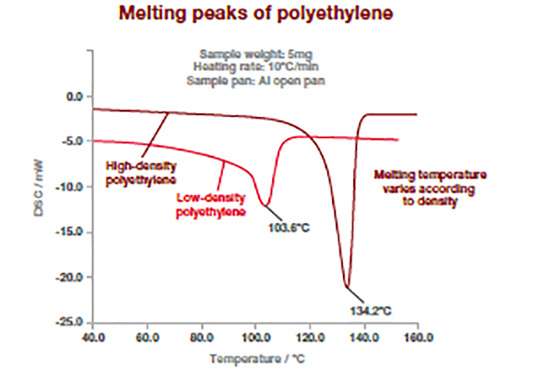
Alright, drumroll please! The melting point of HDPE generally falls between 120°C and 140°C (248°F and 284°F). That's pretty hot!
Think about boiling water. That's 100°C (212°F). So, HDPE needs a good bit more heat before it starts to melt.
But here's where things get interesting. The exact melting point can vary slightly. It depends on the specific type of HDPE and any additives that might be mixed in.
Why Does the Melting Point Matter?
Knowing the melting point of HDPE is super important for all sorts of reasons. From manufacturing to recycling, it's key information.
Imagine you're designing a plastic container for microwaving food. You definitely want to make sure it can withstand the heat!
Or maybe you're a recycler trying to melt down old plastic to make new products. You need to know the right temperature to get the job done efficiently.
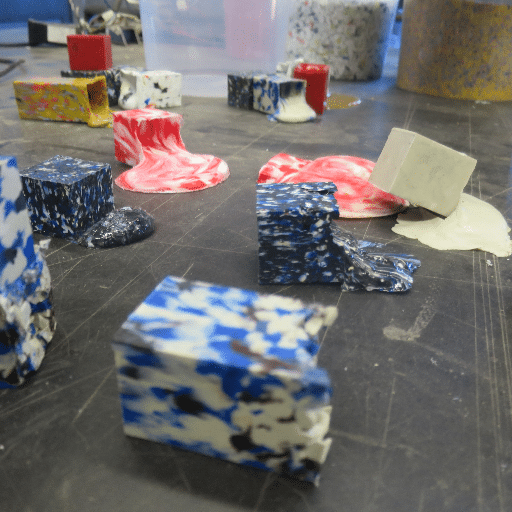
The Entertainment Factor: Melting HDPE is Surprisingly Fun!
Okay, maybe "fun" isn't the first word that comes to mind when you think about melting plastic. But trust me, there's a certain fascination to it!
It's like watching an ice sculpture melt, but with a bit more chemical intrigue. You get to see a solid transform into a gooey, molten state.
Disclaimer: Please don't try melting HDPE at home without proper safety precautions. It's best left to the professionals with the right equipment!
Safety First! A Word of Caution
Melting plastic can release fumes, so you need proper ventilation and safety gear. We're talking about things like safety glasses and gloves.
And definitely don't melt HDPE near open flames or flammable materials. That's just asking for trouble!
Stick to watching videos of professionals doing it. It's much safer and you still get to enjoy the spectacle!
HDPE in Action: Real-World Examples
Let's take a look at how the melting point of HDPE affects its use in everyday life.
Think about those durable plastic shopping bags. They're made from HDPE because it can withstand a decent amount of wear and tear. But leave them in a hot car on a summer day? They might get a little droopy!
Or consider those sturdy plastic pipes used in plumbing. They need to be able to handle hot water without melting or deforming. That's where HDPE's relatively high melting point comes in handy.
Recycling and the Melting Point
Recycling HDPE is a big deal. It helps reduce waste and conserve resources. And guess what? The melting point plays a crucial role in the recycling process.
Recyclers melt down used HDPE to create new plastic products. Knowing the melting point allows them to control the process and ensure the quality of the recycled material.
So, the next time you toss an empty milk jug into the recycling bin, remember that it's going on a journey to be melted down and reborn as something new!
Beyond the Basics: Factors Affecting the Melting Point
We've talked about the general melting point of HDPE. But there are a few other factors that can influence it.
The molecular weight of the HDPE can play a role. Higher molecular weight HDPE tends to have a slightly higher melting point.
And as we mentioned earlier, additives can also affect the melting point. Some additives might lower it, while others might raise it.
Branching Out: The Impact of Molecular Structure
The structure of the HDPE molecules also matters. Linear HDPE, with its tightly packed chains, has a higher melting point than branched HDPE.

Think of it like this: branched molecules create more space between the chains, making it easier for them to move around and melt at a lower temperature.
It's all about the arrangement of those tiny molecules!
HDPE vs. Other Plastics: A Melting Point Showdown!
How does HDPE stack up against other common plastics when it comes to melting point?
Compared to Low-Density Polyethylene (LDPE), HDPE generally has a higher melting point. This is because LDPE has more branching in its molecular structure.
Polypropylene (PP), another popular plastic, also has a relatively high melting point, similar to HDPE. But Polystyrene (PS) tends to have a lower melting point.
The Plastic Hierarchy: A Simplified View
Think of it as a plastic melting point hierarchy. HDPE and PP are near the top, while LDPE and PS are a bit lower down.
Of course, this is a simplified view. There are many different types of plastics, each with its own unique properties.
But it gives you a general idea of how HDPE compares to its plastic cousins.

The Future of HDPE: What's Next?
HDPE is a versatile and widely used plastic. But what does the future hold for it?
Researchers are constantly working on new ways to improve HDPE's properties, including its melting point and durability.
They're also exploring new recycling technologies to make HDPE even more sustainable.
The Quest for Greener Plastics
The focus is on creating more environmentally friendly plastics. This includes developing bio-based HDPE from renewable resources.
And improving the efficiency of recycling processes to reduce waste and conserve resources.
The future of HDPE looks bright, with a strong emphasis on sustainability and innovation.
So, You've Reached the End!
Hopefully, you now have a better understanding of the melting point of High-Density Polyethylene.
It's more than just a number. It's a key property that affects how we use and recycle this versatile plastic.
Thanks for joining us on this melting point adventure!