
Medical Device New Product Development Process

Ever wonder how that amazing medical gizmo you saw on TV actually comes to life? It's a wild ride! Think of it as a high-stakes scavenger hunt, but instead of finding buried treasure, you're crafting something that could save lives. Ready for a peek behind the curtain?
Ideation: Where the Magic Begins
It all starts with an idea. A spark of genius! Maybe a doctor notices a problem that needs solving. Or an engineer dreams up a brand new way to treat a disease.
This phase is brainstorming central. Imagine whiteboards covered in scribbles, sticky notes exploding with possibilities. The atmosphere is electric with "What if?" and "Could we...?" questions. It’s like the ultimate creative playground.
Must Read
The Importance of Coffee (and Pizza)
Fueling those brilliant minds is crucial. That's where coffee and pizza come in. Think of them as rocket fuel for innovation. They help keep the ideas flowing, even when the team is facing a tough challenge.
Sometimes, the best ideas come during late-night brainstorming sessions. The more unconventional the thinking, the better! Seriously, the sky is the limit during this stage.
Concept Development: Turning Dreams into Reality
Okay, so you've got a bunch of amazing ideas. Now it's time to figure out which ones are actually possible. Can we build this thing? Will it actually work?
This is where the real work begins. Engineers start sketching, designing, and building prototypes. Think of it as a science fair project on steroids. This phase involves lots of simulations.
Testing and refinement is the name of the game. We need to make sure it works the way we expect it to.
Prototypes: The Good, The Bad, and The Ugly
Prototypes are like the awkward teenagers of the medical device world. They're not quite the finished product, but they show a lot of promise. Some look sleek and futuristic; others resemble Frankenstein's monster. They’re a crucial step.
Each prototype teaches the team something new. What works, what doesn't. It's a process of continuous improvement. One small step back, then a giant leap forward.
Design and Development: Getting Down to Details
Alright, we've got a promising concept. Time to refine it and iron out all the kinks. Every screw, every circuit, every material must be perfect.
This is where the designers and engineers really shine. They're creating a medical device that's both functional and user-friendly. A blend of art and science at its finest.
Consider human factors. Will a doctor be able to easily use this device in a stressful situation? Will a patient be able to understand the instructions? Usability is key.
The Paperwork Jungle
Let’s face it. The real challenge is the documentation. We can not forget about the compliance! It is a paper jungle, but it's absolutely essential. This is where the device meets the real world.
They need to document everything: every design decision, every test result, every material used. Meticulous record-keeping is crucial for regulatory approval.
Testing and Validation: Putting it to the Test
Now for the moment of truth. Does our device actually do what it's supposed to do? Is it safe? Will it improve patient outcomes? This is where we find out.
Rigorous testing is essential. The device is subjected to a battery of tests, from simple functionality checks to complex simulations. We want to make sure everything is working as intended.
Animal studies are often a part of this phase, allowing researchers to evaluate the device's safety and effectiveness in a controlled environment. This stage is essential for ensuring patient safety.
Simulated Use: Imagining Every Scenario
Imagine a surgical team rehearsing a complex procedure using a new device. That's simulated use. It helps to identify potential problems before the device is used on real patients.
These simulations are incredibly detailed. They mimic real-world conditions as closely as possible. Testing simulates real-world condition and help find problems.
Regulatory Approval: Navigating the Maze
So, the device works like a charm. It's safe and effective. Now comes the next hurdle: getting it approved by regulatory agencies like the FDA (in the US) or the EMA (in Europe).
This is a long and complex process. It involves submitting a mountain of paperwork, answering countless questions, and proving that the device meets all the required standards. Compliance is the name of the game.
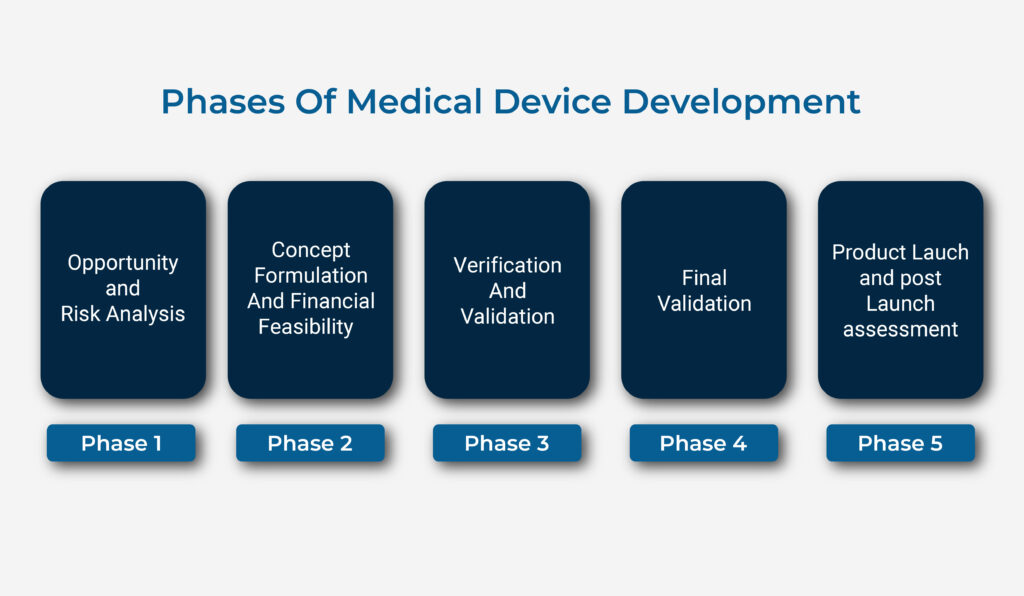
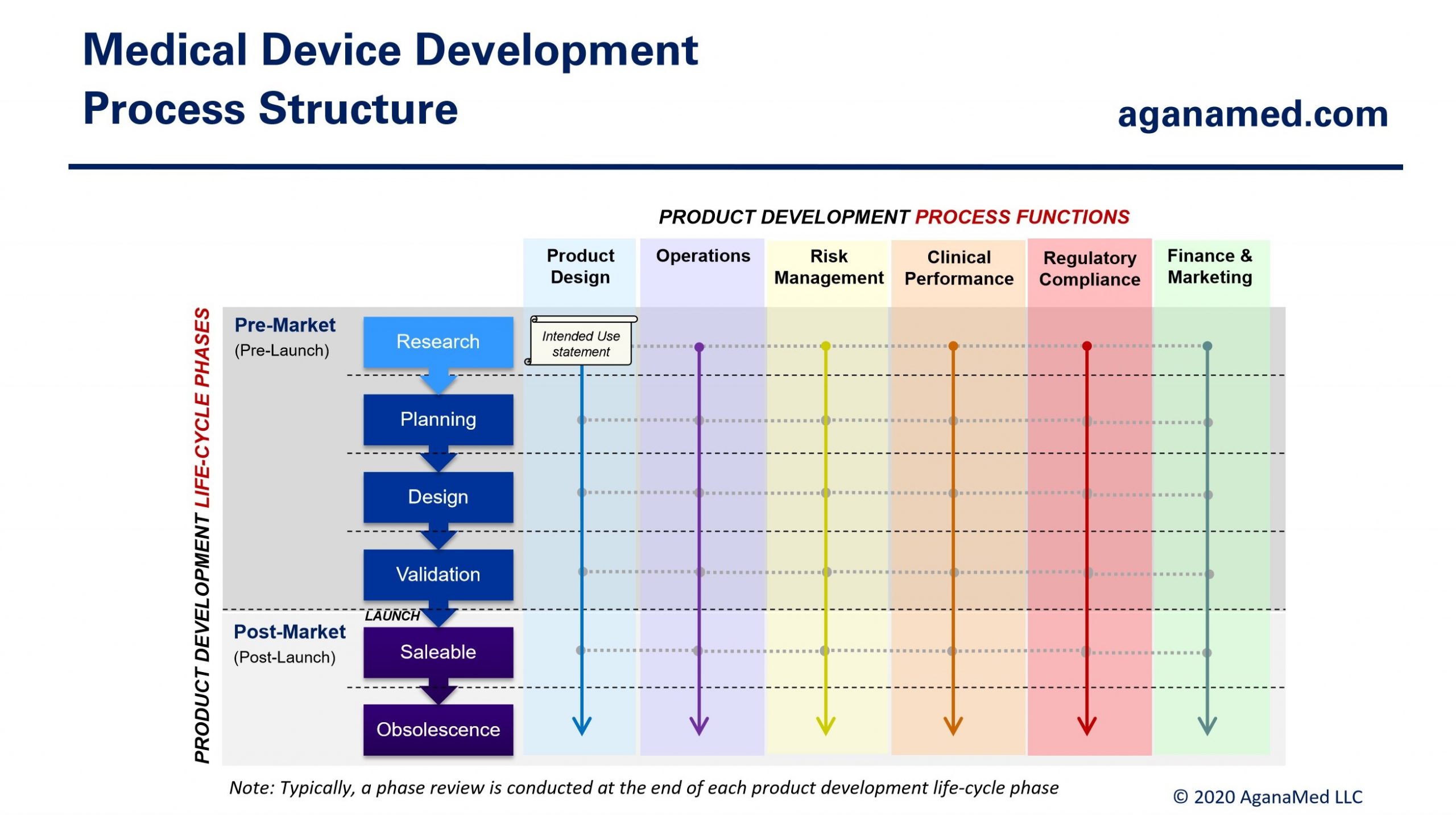
![Medical Device Development Process [5 Phases]](https://blog.greenlight.guru/hubfs/5 Phase Development of a New Medical Device.png)
The regulatory approval is essential for patient safety. The process ensures that devices used by people are effective and safe.
The Waiting Game
Waiting for regulatory approval can feel like watching paint dry. It takes time for the agencies to review all the data and make their decision. A painstaking review.
But it's a crucial step. It’s what gives doctors and patients the confidence to use the device. A badge of honor that says, "This device is safe and effective."
Manufacturing and Launch: Ready to Roll
Hooray! The device is approved! Now it's time to start manufacturing it on a large scale. Get those assembly lines humming!
Manufacturing has to be precise, to maintain the device's quality. From materials sourcing to final assembly, every step must be carefully controlled.
Then, the real fun begins. Launching the product into the market. It's like releasing a new movie. The excitement and anticipation are palpable.
Training and Support: Setting Everyone Up for Success
It's not enough to just sell the device. You have to make sure doctors and other healthcare professionals know how to use it properly. Thus, training and support are key.

Training programs, user manuals, and online resources help users master the device. Ongoing technical support is essential to address any questions or issues that may arise. So, training is crucial.
Post-Market Surveillance: Keeping an Eye on Things
The journey doesn't end once the device is launched. It’s important to keep an eye on it in the real world. To see if there are any unexpected issues.
This is where post-market surveillance comes in. Tracking reports of adverse events, analyzing data, and making improvements as needed is a never ending cycle. The aim is to keep the product updated.
If any problems are identified, the company can take corrective action. Issues such as issuing recalls or making design changes. Safety is paramount.
Constant Improvement: The Never-Ending Story
The medical device world is constantly evolving. New technologies emerge, new challenges arise. Continuous innovation is essential.
The team needs to be on the lookout for ways to improve their device. To make it safer, more effective, and easier to use. Innovation never sleeps.
The process is a journey of discovery. It's a constant cycle of learning, adapting, and improving. And that's what makes it so exciting!