
Mechanical Engineering Jobs In Oil Industry

Hey there! Ever thought about where your gas comes from? Or how that plastic bottle was made? Chances are, a mechanical engineer had a hand in it, especially if we're talking about the oil industry. And hey, maybe you could be one of those engineers! Let’s dive into what that actually means.
So, What's the Deal with Mechanical Engineering and Oil?
Okay, so "mechanical engineering" sounds kinda… textbook-y, right? But think of it like this: it's all about designing, building, and testing anything that moves. From a tiny watch to a massive oil rig, mechanical engineers are the masterminds behind the machinery. In the oil industry, their role is absolutely critical.
Think about it: oil and gas companies need to get oil out of the ground, transport it, refine it, and turn it into…well, everything from gasoline to your phone case. All those processes involve a TON of moving parts, high pressures, extreme temperatures, and complex systems. Who designs and maintains all of that?
Must Read
You guessed it: mechanical engineers!
What Kind of Cool Stuff Do They Actually Do?
The cool thing about mechanical engineering in the oil industry is the sheer variety. It’s not just one job; it’s a whole toolbox of possibilities. Here are just a few examples:
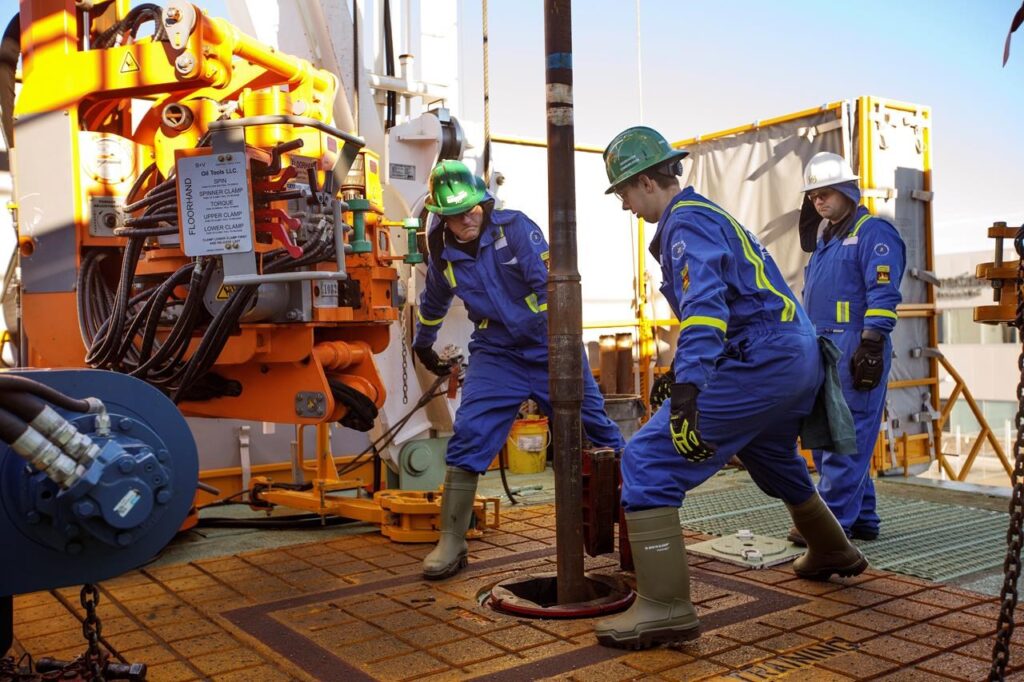
Drilling Engineers: Imagine you're a doctor, but instead of patients, you're diagnosing and treating… boreholes! These engineers design and oversee the drilling process, making sure it's safe, efficient, and actually gets the oil where it needs to go. It's like being a super-precise archaeologist, only instead of finding dinosaur bones, you're unearthing black gold.
Pipeline Engineers: Ever wonder how oil gets from Texas to… well, everywhere? Pipelines! These engineers design, build, and maintain those vast networks. They're like the architects and contractors of the oil transportation world, making sure everything flows smoothly (pun intended!). They need to consider things like pressure, temperature, corrosion, and even the impact on the environment.
Rotating Equipment Engineers: Pumps, turbines, compressors… these are the heart of any oil and gas operation. Rotating equipment engineers are the experts on all things spinning, making sure these vital machines are running at peak performance and minimizing downtime. Think of them as the pit crew for a Formula 1 race, but instead of changing tires, they're optimizing massive, complex machinery.

Materials Engineers: Imagine you’re a chef creating a new dish, and the ingredients are different types of metals, plastics, and composites. Materials engineers select the right materials for each job, ensuring they can withstand the harsh conditions of the oil field. They need to know everything about how materials behave under pressure, temperature, and corrosive environments. It's like being a master blacksmith, but instead of swords and shields, you're crafting components for oil rigs.
Why is This So Interesting?
Okay, so maybe "pipelines" don't sound super glamorous at first glance. But think about the impact you're having! These engineers are literally keeping the world moving. They're solving complex problems in demanding environments, using cutting-edge technology to extract and process resources that power our modern lives.

Plus, let's be real: the oil industry is a global industry. That means opportunities to work in exciting locations around the world, from the deserts of the Middle East to the frozen landscapes of Alaska. Who wouldn't want to add that to their resume?
And let's not forget the challenge. The oil industry is constantly evolving, with new technologies and methods being developed all the time. That means mechanical engineers in this field are always learning, adapting, and pushing the boundaries of what's possible. If you thrive on problem-solving and innovation, this could be the perfect career path for you.
What Skills Do You Need?
So, you’re thinking about jumping in? Awesome! Here's a quick rundown of the skills you'll need:

- Strong foundation in math and science: This is a no-brainer. You'll need to be comfortable with calculus, physics, and thermodynamics.
- Problem-solving skills: The oil industry is full of complex challenges, so you need to be able to think critically and come up with creative solutions.
- Communication skills: You'll be working with a team of engineers, technicians, and other professionals, so you need to be able to communicate your ideas clearly and effectively.
- Computer skills: CAD software, simulation tools, and data analysis are all essential tools for mechanical engineers in the oil industry.
Is It Worth It?
Let's be honest: the oil industry has its critics. But there's no denying that it's a vital part of the global economy, and it's not going away anytime soon. Mechanical engineers in this field play a crucial role in ensuring that oil and gas operations are safe, efficient, and environmentally responsible.
Plus, the demand for skilled engineers in the oil industry is high, and the salaries are generally very competitive. If you're looking for a challenging and rewarding career that makes a real difference, mechanical engineering in the oil industry could be the perfect fit for you.
So, what do you think? Ready to dive in and become the next mechanical engineering rockstar in the oil industry?