Mechanical Engineering Jobs In Oil And Gas Industry
Let's be honest, when you think of cool engineering gigs, oil and gas might not be the first thing that springs to mind. But stick with me! The oil and gas industry offers some seriously fascinating opportunities for mechanical engineers, with challenges that are both intellectually stimulating and, yes, even a little bit adventurous. From designing massive offshore platforms to optimizing pipelines that snake across entire continents, the scope of work is truly impressive. And, let's not forget, the compensation can be pretty sweet too!
So, why should you be interested? Well, for beginners, this industry provides a fantastic proving ground. You'll be exposed to a wide range of mechanical engineering principles, from thermodynamics and fluid mechanics to materials science and structural analysis. You'll get to see these principles applied in real-world scenarios, often on a grand scale. For families thinking about their kids' future careers, consider this: mechanical engineering in oil and gas offers long-term job security and a stable career path. The industry constantly needs talented engineers to maintain existing infrastructure and develop new technologies for more efficient and sustainable energy production. And for the hobbyist or someone with a general interest in how things work, the sheer scale and complexity of oil and gas operations are captivating. Imagine designing a subsea pipeline inspection robot, or optimizing the performance of a massive gas turbine!
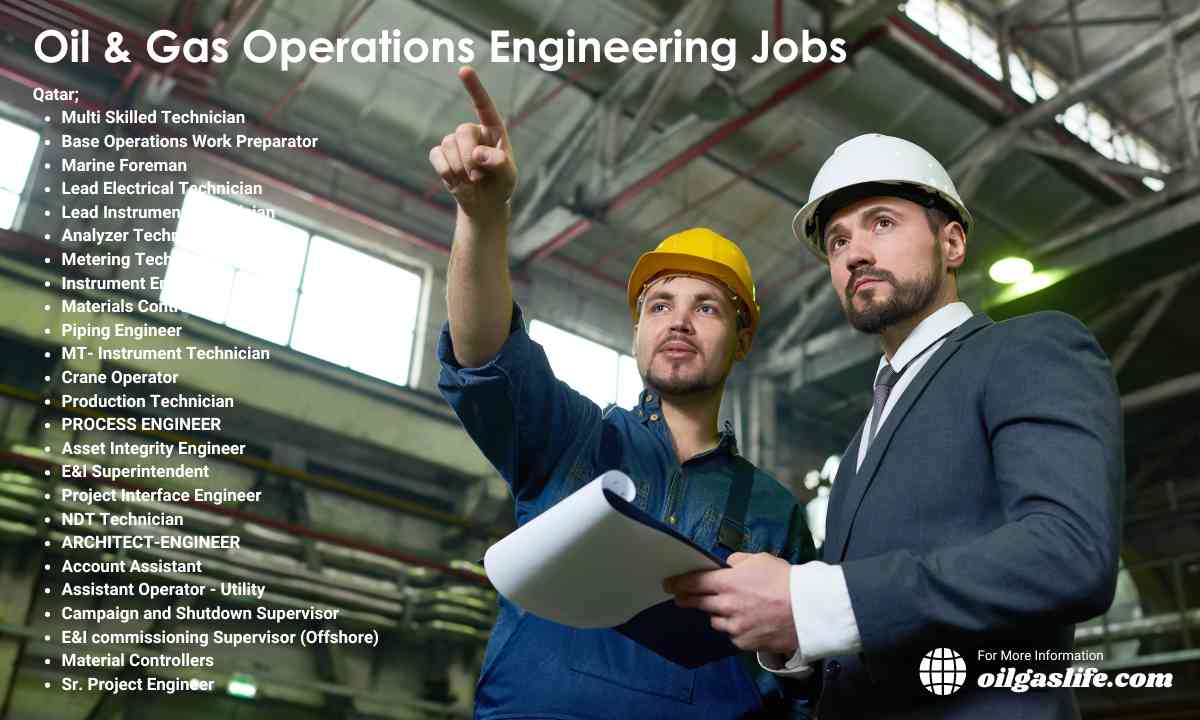
What kind of jobs are we talking about? Well, the possibilities are vast. You could be a design engineer, responsible for creating the blueprints for new equipment or modifying existing systems. Think pipelines, drilling equipment, or processing plants. Or perhaps you'd prefer to be a maintenance engineer, ensuring that everything runs smoothly and efficiently, troubleshooting problems, and implementing preventative maintenance programs. Another option is to become a project engineer, managing the entire lifecycle of a project, from initial planning and design to construction and commissioning. A more specialized role could involve rotating equipment engineering, focusing on the design, maintenance, and performance optimization of pumps, compressors, and turbines. The location varies too; some roles are based in bustling city offices, while others might involve spending time on offshore platforms or remote drilling sites.
Must Read
So, how do you get started? First, focus on building a solid foundation in mechanical engineering fundamentals. Courses in thermodynamics, fluid mechanics, heat transfer, and materials science are crucial. Second, try to gain some relevant experience through internships or co-op programs. Many oil and gas companies offer these opportunities, allowing you to get a taste of the industry and network with professionals. Third, consider specializing in a particular area of interest, such as pipeline engineering or subsea engineering, by taking specialized courses or pursuing advanced degrees. Finally, network, network, network! Attend industry events, join professional organizations like ASME (American Society of Mechanical Engineers), and connect with professionals on LinkedIn.
While it might not be the first image that pops into your head when you think "mechanical engineering," the oil and gas industry offers a wealth of challenging and rewarding opportunities. It's a chance to apply your engineering skills to solve complex problems, contribute to the world's energy needs, and potentially even earn a very good living. So, give it a thought – you might just discover your dream job lurking beneath the surface!