Making A Prototype Of A Product

Have you ever had a brilliant, world-changing idea while staring at the ceiling at 3 AM? Perhaps a clever gadget to solve a tiny inconvenience, a unique piece of art, or even a revolutionary new snack? The good news is, you don't need a massive workshop or an engineering degree to bring those fantastical notions to life. You just need to dive into the wonderful, playful world of prototyping! It’s less about building the final product and more about giving your idea a tangible, messy, and utterly delightful first form.
Making a prototype is essentially creating an early, experimental model of your product. Think of it as drawing in 3D, or sketching with materials. This isn't just for tech giants or industrial designers; it's a supremely valuable and accessible skill for everyone. For artists, it's a chance to experiment with forms, materials, and scale before committing to a final piece. Hobbyists can transform abstract ideas from their niche interests into functional items, solving problems or enhancing their craft. Even casual learners benefit immensely, as prototyping demystifies the creation process, builds confidence, and proves that anyone can be a maker.
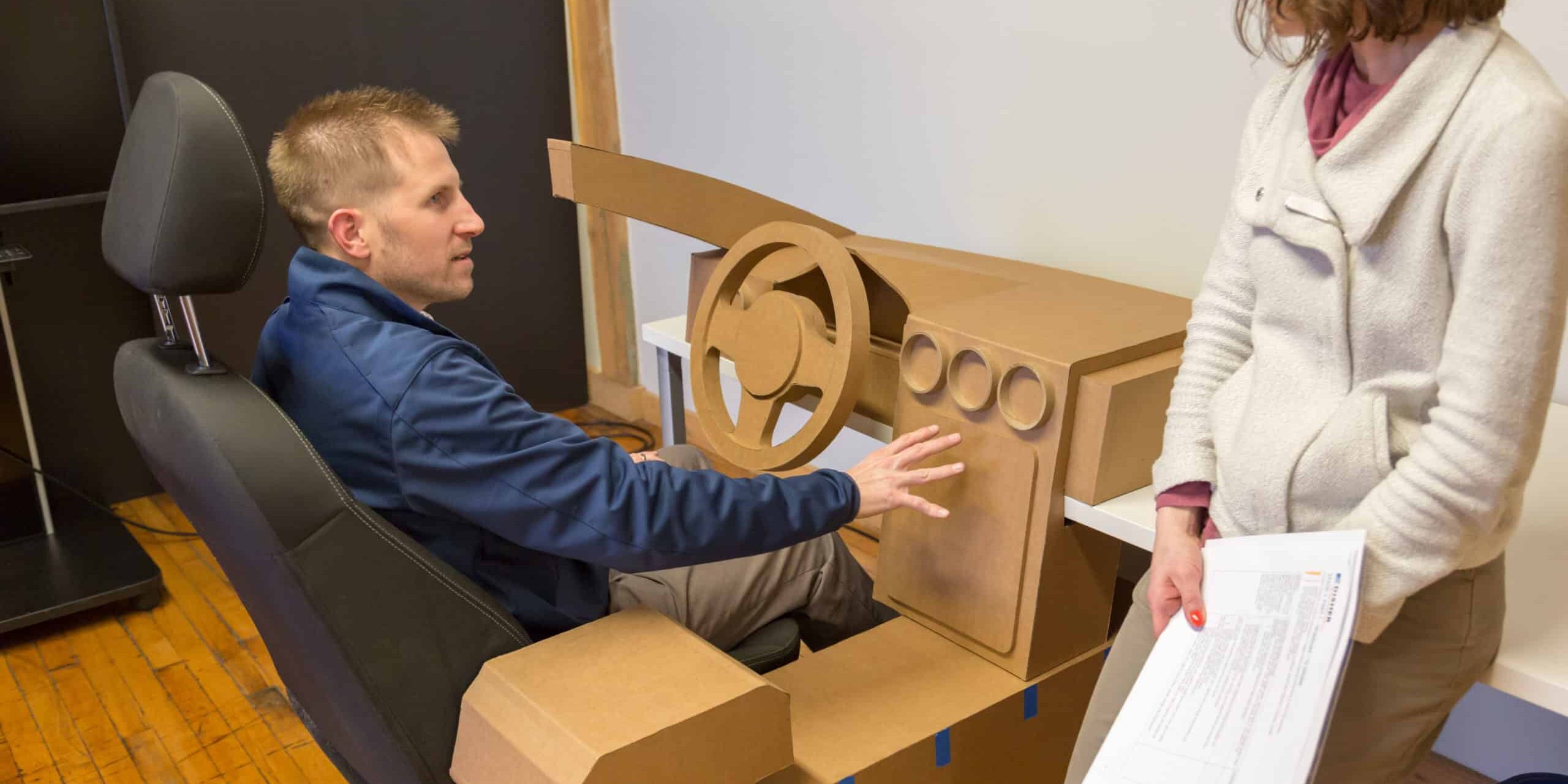
The beauty of prototyping lies in its versatility. What kind of prototypes can you make? The sky's the limit! You could fashion a simple clay model of a new ergonomic mug design, using play-doh or air-dry clay. For a unique storage solution, grab some cardboard and tape to build a quick, functional mockup. Ever wanted to design your own board game pieces? A quick 3D print (if you have access) or even some carved soap can bring those characters to life. Aspiring fashion designers might stitch together a rough fabric sample of a new bag style, while a new recipe for a delicious dessert is, in essence, a tasty prototype you can iterate on again and again. The goal isn't perfection; it's exploration and iteration.
Must Read
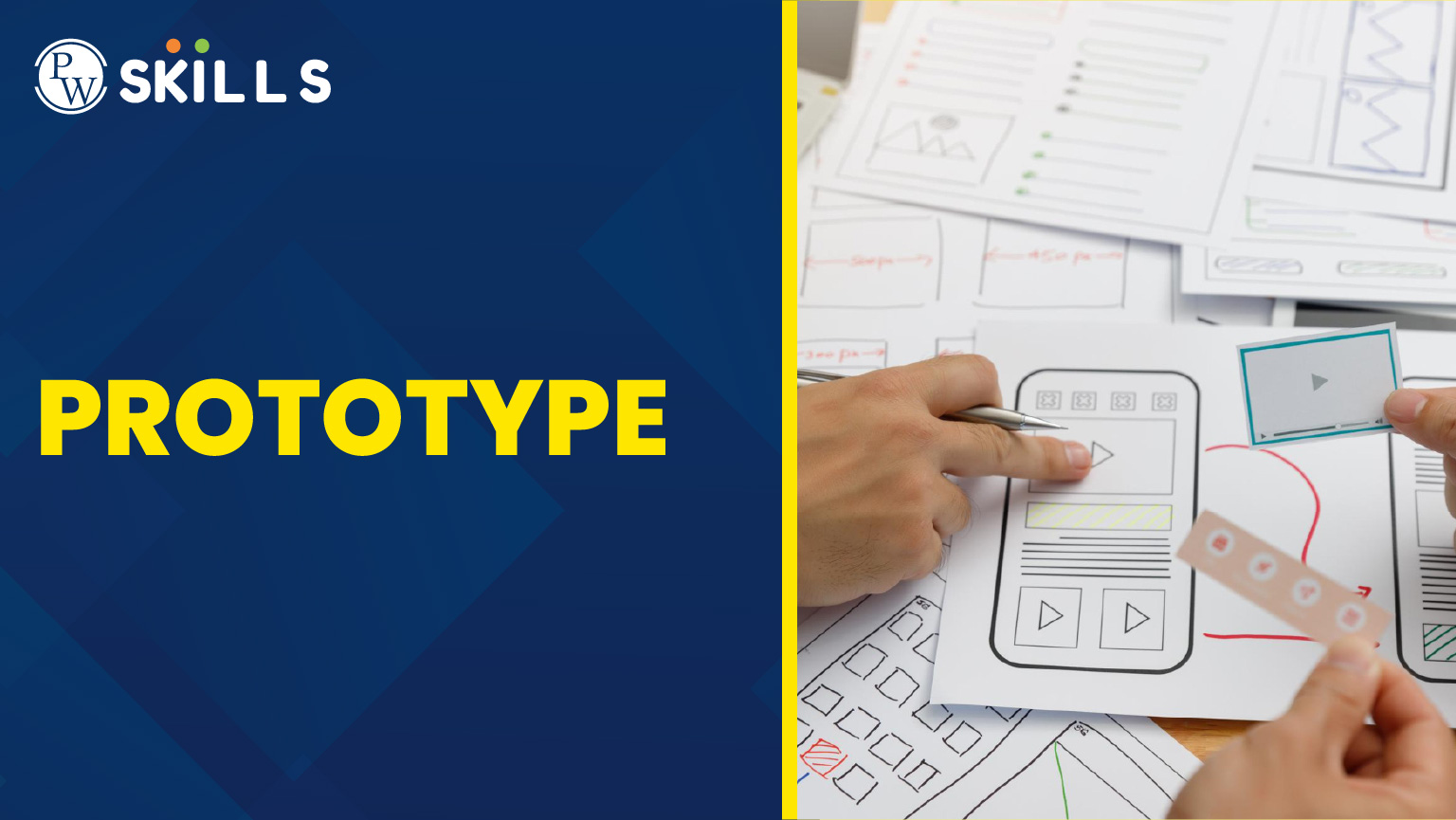
Ready to try it at home? Here are a few tips to get you started. First, don’t overthink it. The best prototypes are often simple and quick. Second, embrace readily available, inexpensive materials. Think cardboard, paper, pipe cleaners, aluminum foil, old fabric scraps, LEGOs, or even items from your recycling bin. These are your creative allies! Third, start with a sketch or a clear mental image of what you want to achieve. What’s the core function? What problem does it solve? Focus on getting that primary function right before worrying about aesthetics. Fourth, test it out! Does it work? Is it comfortable? Can you improve it? Finally, don't be afraid to fail. Every "failed" prototype is a valuable lesson, bringing you closer to a brilliant solution.
In the end, making a prototype isn’t just about the product; it’s about the process. It’s a delightful journey of turning fleeting thoughts into tangible objects, learning through doing, and experiencing the pure joy of creation. There’s an undeniable satisfaction in holding something you’ve imagined and then brought into existence, no matter how rough or rudimentary its first iteration. It’s playful, empowering, and profoundly enjoyable – a testament to the boundless creativity within all of us.