
Machined Mechanical Parts For The Defense Industry
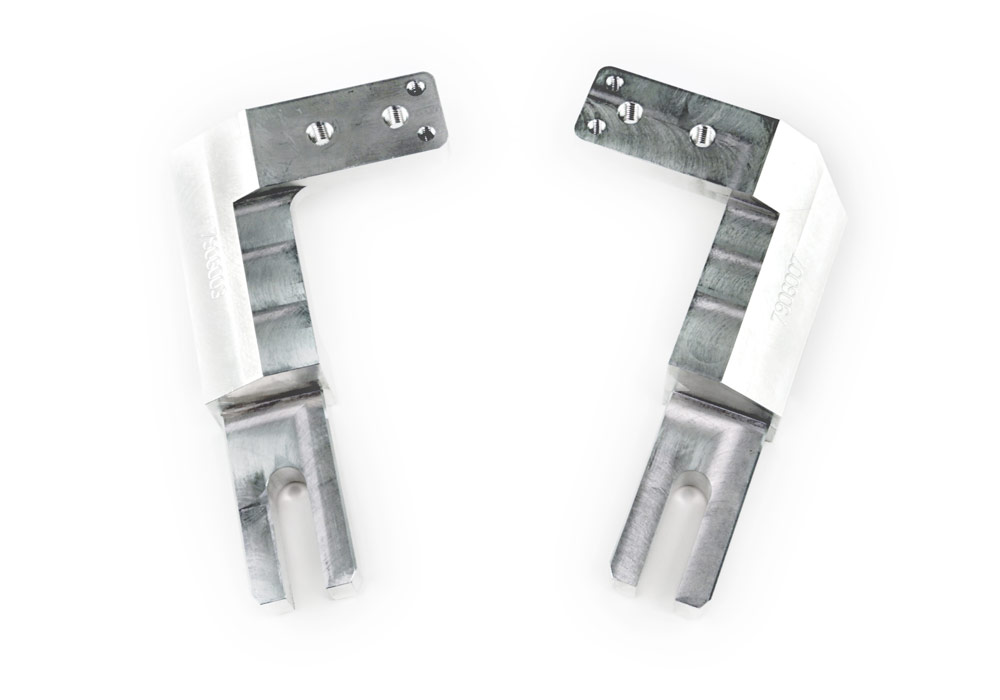
Ever wondered how incredibly complex machines, like fighter jets and naval ships, are built with such precision? Or how robots can perform intricate tasks with unwavering accuracy? The secret often lies in the realm of machined mechanical parts. It might sound technical, but diving into this world is surprisingly fascinating, revealing a world of ingenuity and craftsmanship that keeps our defense industry humming. Think of it as understanding the building blocks of modern protection – pretty cool, right?
For beginners, understanding machined parts is like learning the alphabet of engineering. These parts are essentially custom-made components created by precisely cutting, shaping, and finishing raw materials like steel, aluminum, and titanium. These parts ensure everything fits together and functions perfectly. They might be gears in a gearbox, components for a missile guidance system, or even the hinges on a secure door. Without these precise pieces, even the most sophisticated technology is just a collection of unusable materials.
For families, understanding machined parts can be a springboard for STEM discussions. Imagine explaining to your kids that the intricate mechanisms in their remote-controlled car or even their favorite superhero action figure rely on similar principles of precise manufacturing. It's a tangible way to demonstrate how math, science, and technology come together to create real-world objects. Talking about the defense industry can open up conversations about national security and the important roles engineers and technicians play in keeping us safe.
Must Read
For hobbyists, especially those into model making, robotics, or even 3D printing, machined mechanical parts offer a level of precision and durability that off-the-shelf components often lack. Think about building a custom drone; replacing plastic gears with machined metal ones will significantly improve its performance and lifespan. Many hobbyists even learn basic machining techniques themselves, creating custom parts for their projects.
Examples and Variations: The range of machined parts is vast. Consider: * Fasteners: Screws, bolts, and rivets made to withstand extreme stress and environmental conditions. * Gears: Essential for transmitting power in everything from tanks to radar systems. * Housings: Protective enclosures for sensitive electronic equipment. * Structural Components: Framework parts for aircraft or vehicles, requiring high strength and lightweight construction.

Getting Started: If you're curious to learn more, here are some simple steps: * Research: Online resources like engineering websites and forums offer a wealth of information. Look for articles and videos that explain basic machining processes like milling, turning, and grinding. * Visit: Check out local machine shops. Many are happy to give informal tours and explain their work. * Experiment: Consider taking a basic machining course at a community college or trade school. * Online Communities: Join online communities dedicated to machining and manufacturing. These are great places to ask questions and learn from experienced professionals.
Exploring the world of machined mechanical parts for the defense industry isn't just about understanding technology; it's about appreciating the skill, precision, and dedication that goes into creating the tools and systems that protect us. It's a fascinating field, and even a basic understanding can provide a deeper appreciation for the engineering marvels that surround us. So, dive in and discover the enjoyment and value in understanding these crucial components!


