Lost Power In Half The House
Ever woken up to that eerie quiet? Not the peaceful kind, but the "something's not quite right" kind. That was my morning a few days ago. I padded into the kitchen, flipped the light switch, and... nothing. My first thought? "Uh oh." My second? "Did I forget to pay the bill?" (Spoiler alert: I didn't!)
It wasn't a full blackout, which can feel a bit like a scene from a disaster movie. No, this was far more perplexing: lost power in half the house. The living room, kitchen lights, and half the outlets were stubbornly silent, while the bedrooms hummed along just fine. It was a domestic mystery, a modern-day riddle wrapped in an electrical enigma. And, let's be honest, a significant hurdle to my morning coffee ritual.
The Case of the Tripped Breaker
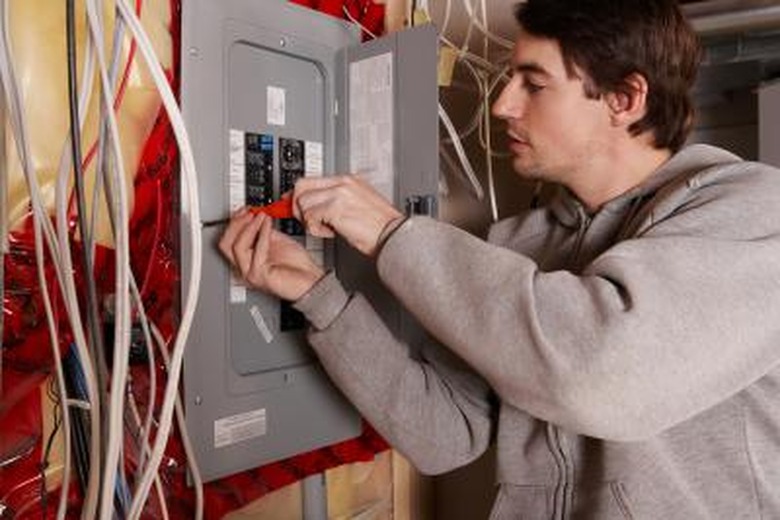
My immediate suspect, after confirming the neighborhood wasn't also plunged into darkness, was the circuit breaker. If you've never ventured into the mystical realm of your home's breaker panel, don't worry, it's not as intimidating as it sounds. Think of it as your house's internal security guard for electricity. When an electrical circuit gets overloaded (too many appliances vying for power at once, for example), or there's a short, this clever device "trips" to prevent damage and potential fires.
Must Read
Locating the breaker panel is usually the first step – often in a garage, basement, or utility closet. Mine's tucked away in the laundry room. Once there, I scanned the rows of switches. Sure enough, one was flipped to the "off" position, or sometimes, it’s awkwardly positioned in the middle, indicating it's tripped. A quick flick back to "on," and voilà! Light in the kitchen! The coffee maker whirred to life like a long-lost friend. Mission accomplished.
When a Simple Flip Isn't Enough
But what if that easy fix doesn't work? Sometimes, a breaker might trip immediately again, or you might not find a tripped one at all. This is when the mystery deepens. It could be something as simple as a faulty appliance creating a recurring overload, or something more serious, like wiring issues. Always unplug any new or recently used appliances from the affected circuits before attempting to reset the breaker, just in case they're the culprit.

If the problem persists, or you're simply not comfortable poking around in the electrical panel, it's time to call a professional electrician. Seriously. Don't play hero with electricity; it's a powerful force, and safety should always be your number one priority. Remember, a partial outage can also be a sign of a larger problem brewing, so sometimes expert eyes are essential.
Embracing the Forced Slowdown
Beyond the practicalities, there's a certain charm to these little disruptions. For the hour or so before I found the tripped breaker, I was forced into a mini digital detox in one half of my home. No blaring TV, no instant coffee, just the quiet anticipation of normalcy. It reminded me how incredibly reliant we are on the flick of a switch, and how much we take the invisible flow of electricity for granted.

It made me think about how our ancestors managed without, well, everything we have. Even today, there are parts of the world where consistent power is a luxury, not a given. Losing power in half the house, while a minor inconvenience, offers a tiny, almost whimsical glimpse into a simpler, less illuminated existence. It’s a chance to light a candle (safely!), maybe read a physical book, or just sit and enjoy the unusual quiet.
A Little Reflection
In our fast-paced, always-on world, moments of unexpected disconnection, even partial ones, can be surprisingly refreshing. They force us to pause, to problem-solve, and sometimes, to simply appreciate the comforts we usually overlook. So, the next time half your house goes dark, take a deep breath. Channel your inner detective, follow these tips, and if all else fails, perhaps embrace the temporary analog shift. After all, sometimes the greatest lessons come from the smallest disruptions.