
Look Up Utility Bill By Address

Ever been scrolling through real estate listings, dreaming of your next home, and paused to wonder, "What's this place really going to cost me?" Or maybe you're just curious about the mysterious lives of kilowatt-hours and therms.
There's this pretty cool, often overlooked superpower that many people don't even know exists: the ability to look up utility bills by address. Yes, really! It's not always as straightforward as a simple Google search, but the concept itself is fascinating and, dare I say, incredibly useful.
Peeking Behind the Energy Curtain
Imagine you're house hunting. You find a gorgeous place with vaulted ceilings and huge windows. Visually, it's a dream! But then that little voice in your head pipes up: "How much is it going to cost to heat and cool all that?" This is where the magic happens. Being able to access past utility bills for a specific address is like having a financial crystal ball for a property's energy consumption.
Must Read
It's not about being nosey (well, maybe a little!), but about being smart and informed. Think of it as peeling back another layer of the onion when you're making a big decision like buying or renting. A fancy new air conditioner might sound great, but what if the house's insulation is practically non-existent? Those big utility bills will tell a story that pretty pictures can't.
Why is This So Interesting?
Beyond the practicalities of house hunting, there's a genuine sense of curiosity. For starters, it's about transparency. In an age where we can research almost anything, why should something as fundamental as a home's running costs be a mystery?
For sellers, being able to provide potential buyers with a clear, honest picture of utility costs can actually be a huge advantage. It builds trust and demonstrates that you have nothing to hide. It's like showing off your car's meticulously kept service records – it just feels right.
And for the environmentally conscious among us? It’s a way to truly understand a property's energy footprint. Is that historic home a charming energy hog, or has it been cleverly updated to be surprisingly efficient? The numbers don't lie. You get a real sense of whether a property aligns with your sustainability goals, not just its aesthetic appeal.
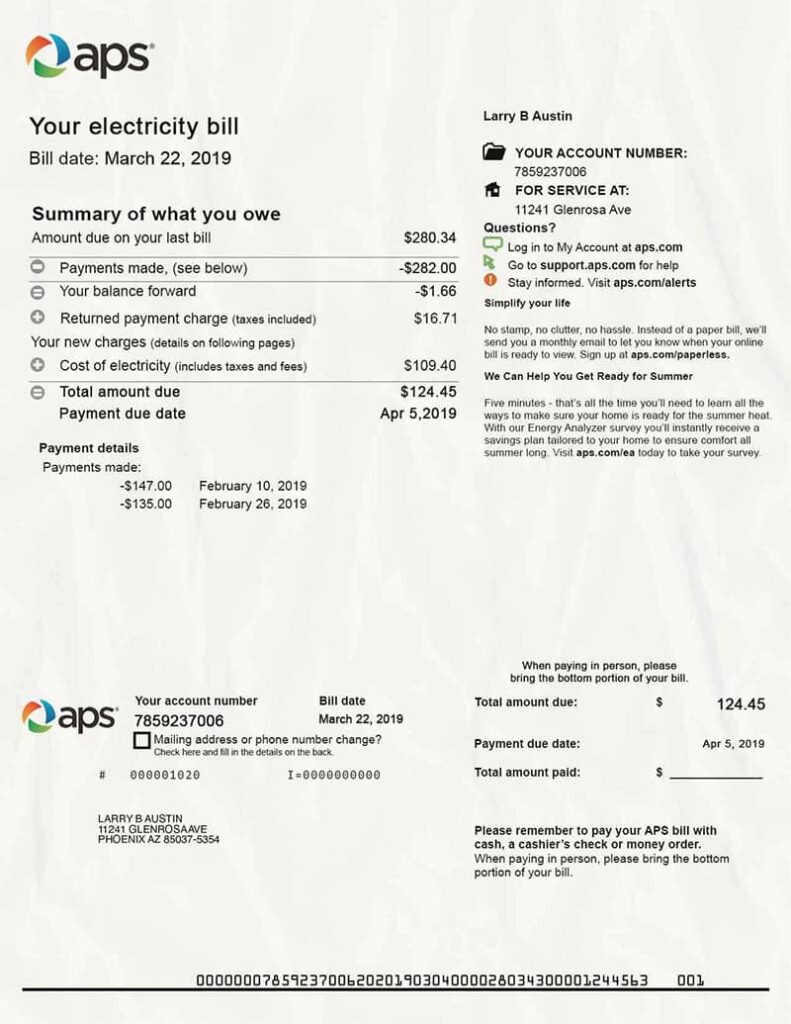
Your Inner Financial Detective
Think of yourself as a super-sleuth, but instead of solving crimes, you're solving the mystery of a home's operating costs. You're not just looking at sticker price; you're looking at the total cost of ownership. This data can empower you to negotiate better, budget more accurately, and simply make more confident decisions.
It's like test-driving a car and also getting to see its average fuel efficiency for the past year. Crucial info, right? Without it, you're just guessing.
How Does It Even Work?
Now, you might be thinking, "Is this even legal? And how do I do it?" Good questions! The legality and accessibility depend a lot on where you are. In many places, utility companies (especially publicly regulated ones) consider aggregated historical usage data for an address to be public information, especially when requested by a prospective buyer with the owner's permission, or sometimes even without.

Some utility providers have online portals where you can request this information directly, often requiring just the address and sometimes a signed release from the current occupant or owner. Other times, real estate agents or home inspectors might be able to help facilitate the request. The key is that it's typically about usage data (kilowatt-hours, therms), not necessarily the specific dollar amount of a past bill, as rates can change. But usage data is the real gold!
Beyond Buying and Selling
The appeal of this isn't solely confined to real estate transactions. Imagine you're a landlord, trying to compare the efficiency of several properties you own, or perhaps you're an urban planner interested in neighborhood-level energy consumption trends. The ability to pull this kind of data opens up a whole new world of insights.
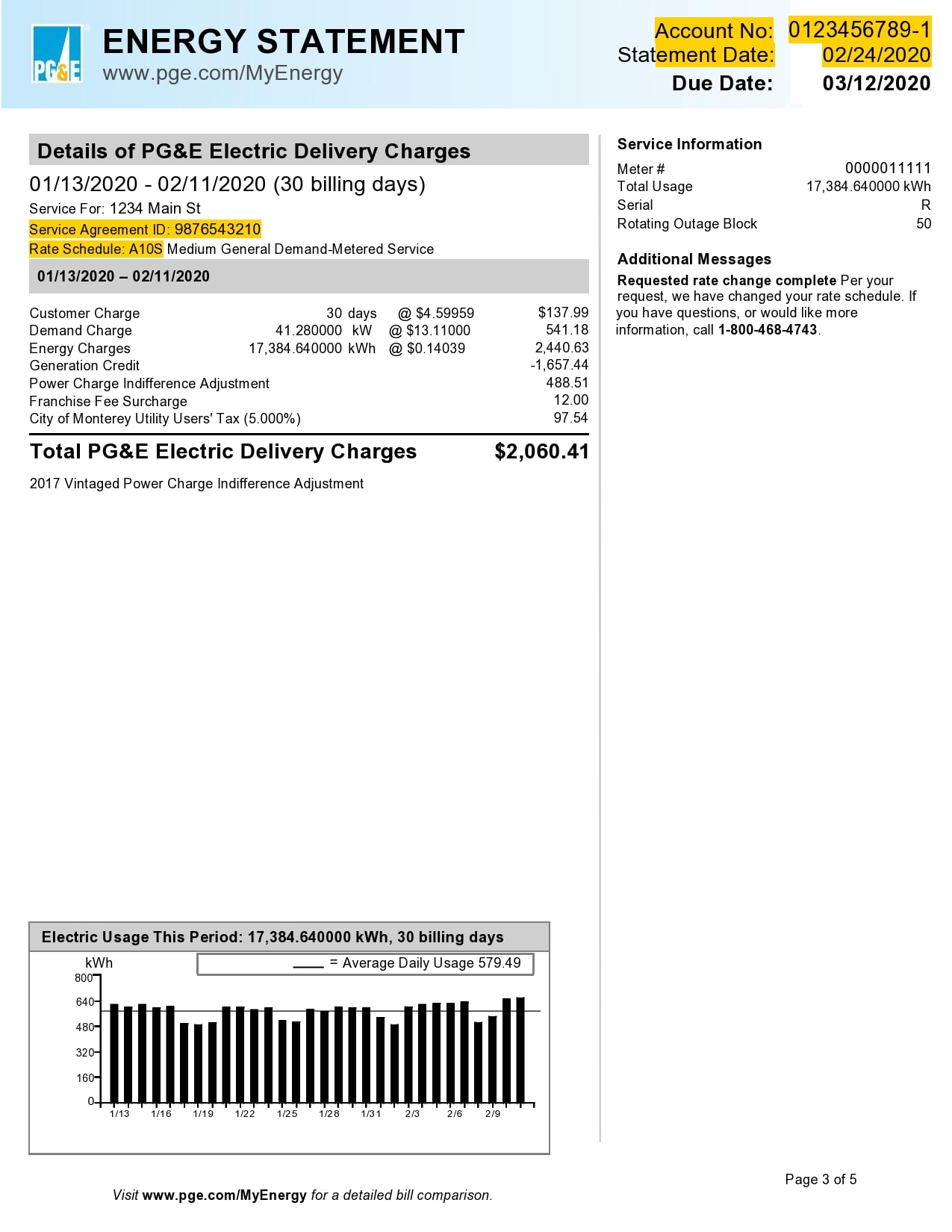
It's like having a little dashboard showing the energy heartbeat of a specific location. Pretty cool for anyone who loves data, efficiency, or just understanding the world around them a little bit better.
So, What's the Catch?
Of course, it's not always a perfect science. The data might not be available for every single address, or for all types of utilities. And past usage doesn't predict the future perfectly; if you're a heavy Netflix binger with the AC blasting, your bills will differ from a minimalist who's always out.
But even with these caveats, the concept of being able to gain this insight is truly powerful. It empowers us to make more informed choices, satisfy our inner detective, and get a clearer picture of the places we call home. So, next time you're curious about a property, remember this little secret weapon – it might just save you some serious pennies (or dollars!) down the line.