Lldpe Puncture Resistance Compared To Hdpe Trash Bags

Let's face it, nobody loves taking out the trash. But a reliable trash bag? That's something we can all appreciate. Think about it: a sturdy trash bag is the unsung hero of a clean and organized home. It stands between you and a smelly, messy disaster, quietly doing its job without complaint. From overflowing kitchen bins to yard waste mountains, trash bags are essential for modern life, keeping our homes, streets, and communities hygienic and presentable.
Trash bags are used for a plethora of tasks. Obvious ones include kitchen waste, bathroom refuse, and general household garbage. But they also play a crucial role in yard work, construction debris disposal, and even for storage. Need to protect your holiday decorations in the attic? Trash bag. Moving clothes and linens? Trash bag. Cleaning out the garage? You guessed it, trash bags are there to help! They are versatile, inexpensive, and indispensable.
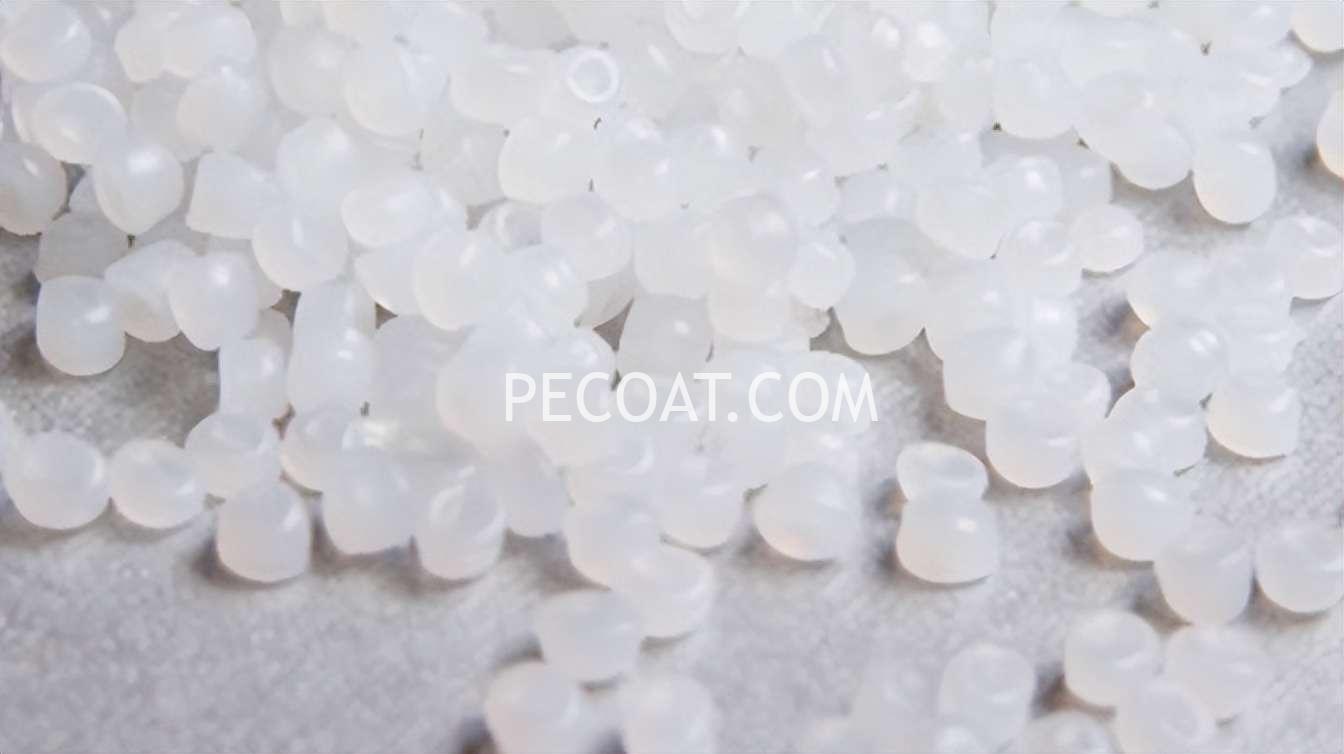
But have you ever stopped to consider what makes a good trash bag? One crucial factor is puncture resistance. We've all experienced the frustration (and often the mess) of a bag that tears open under the slightest pressure. This is where the materials used in making the bag come into play. Two common types of plastic used in trash bags are HDPE (High-Density Polyethylene) and LLDPE (Linear Low-Density Polyethylene).
Must Read
While both are types of polyethylene, they have different properties. HDPE, often found in thinner, more rigid bags, is strong in terms of tensile strength – meaning it can hold a lot of weight. However, it can be more susceptible to punctures. Think about sharp edges from broken glass, pointy twigs from yard waste, or even just the corner of a cardboard box. HDPE can sometimes fail under this kind of stress.
This is where LLDPE shines. LLDPE bags, often feeling stretchier and more flexible, have superior puncture resistance. The linear structure of the polyethylene allows the material to stretch and deform around sharp objects, rather than tearing. This makes LLDPE bags a much better choice for situations where you anticipate dealing with potentially sharp or jagged items. They're the go-to option for construction sites, yard clean-up, and disposing of food waste that might contain bones or other sharp remnants.

So, how can you make your trash-taking experience more effective (and less messy)? Here are a few practical tips:
- Consider your waste: If you consistently deal with sharp or heavy items, opt for LLDPE bags. If you're mainly disposing of paper and lighter materials, HDPE might suffice.
- Don't overfill: Even the strongest bag has its limits. Overfilling puts extra stress on the seams and increases the likelihood of tearing.
- Double bag when necessary: For particularly messy or smelly items, double bagging provides an extra layer of protection.
- Store bags properly: Keep your trash bags in a cool, dry place away from direct sunlight. This will help prevent the plastic from degrading and becoming brittle.
By understanding the differences between HDPE and LLDPE, you can choose the right trash bag for the job and avoid those dreaded trash-related mishaps. After all, a little knowledge can go a long way in keeping your home clean and your sanity intact. And who knows, maybe you'll even start to appreciate the quiet heroism of a good trash bag!