
List The Renewable And Nonrenewable Resources

Okay, folks, let's dive into the amazing world of resources! We're talking about the stuff that makes our world go 'round – literally. And we're breaking it down into two super important categories: Renewable and Nonrenewable.
Renewable Resources: The Gift That Keeps on Giving!
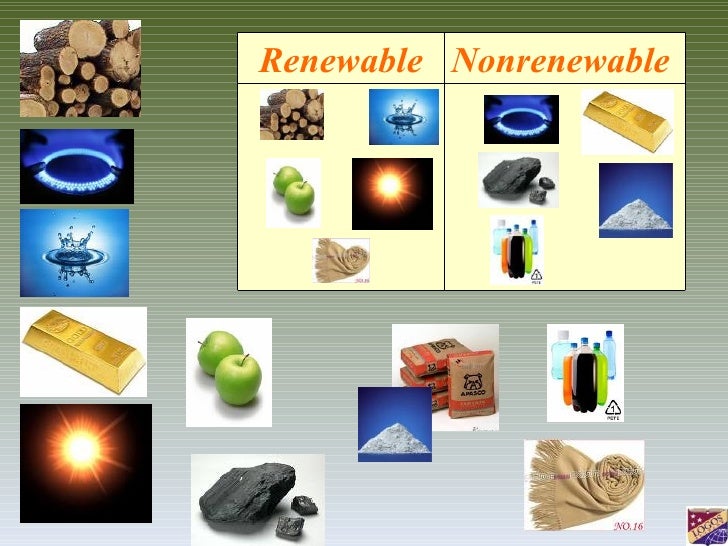
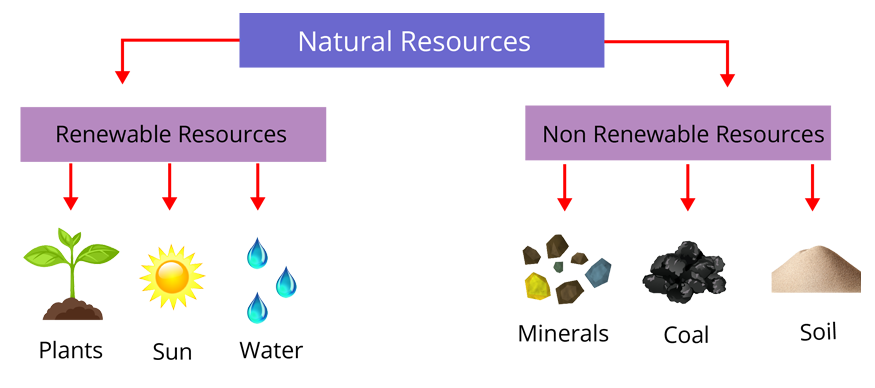
These are the rockstars of the resource world! Imagine a resource that replenishes itself – like magic, but it's actually science. These resources are constantly being renewed, naturally.
Sunshine: Our Big, Burning Friend!
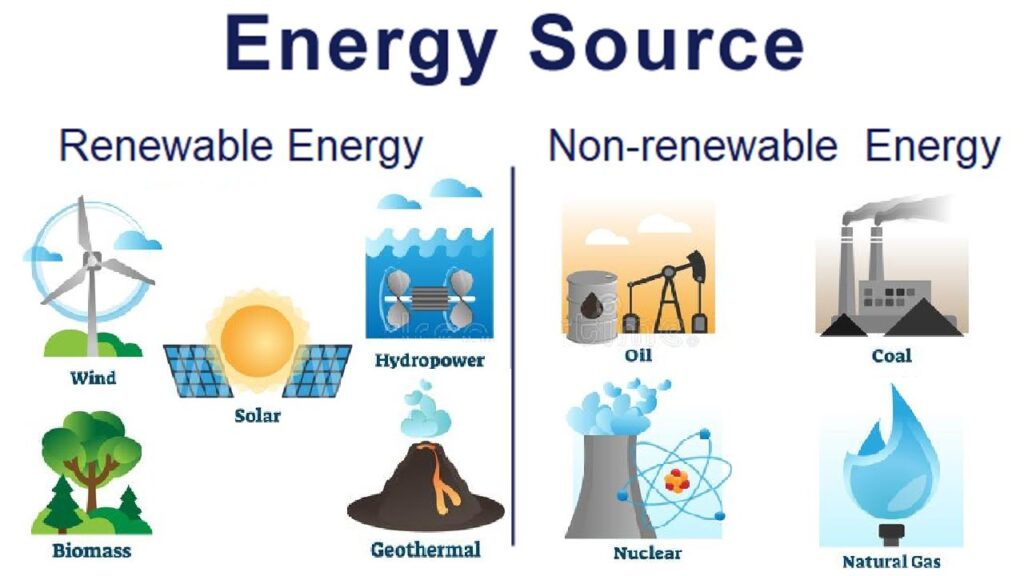
The sun, our gigantic, fiery ball of energy, is the ultimate renewable resource. It's been shining for billions of years, and it's not planning on quitting anytime soon! We can harness its power with solar panels and turn it into electricity.
Must Read
Think of it as nature's biggest, brightest battery charger. Free energy, delivered daily! (Okay, maybe not every day if you live somewhere super cloudy, but you get the idea.)
Wind: Nature's Fan Club
Wind is another amazing renewable resource. It's air in motion, and we can use wind turbines to capture that energy and turn it into electricity. Imagine giant pinwheels converting the breezes to power!
Think of a breezy day and imagine turning it into power. Who needs a kite when you can have a wind turbine?
Water: The Ever-Flowing Power Source
Water is essential for life, and it's also a fantastic renewable resource. We can use the power of moving water, like rivers and waterfalls, to generate electricity with hydroelectric dams.
It's like nature's water park, but instead of thrilling rides, we get electricity! Just picture tiny water droplets, each one contributing to powering our homes.
Geothermal Energy: Earth's Hot Tub
Deep beneath our feet, the Earth is incredibly hot. Geothermal energy taps into this heat and uses it to generate electricity or heat our homes. It's like having a giant, natural radiator under the world!
Imagine the Earth giving us a warm hug… that we can turn into power! It's a consistent and reliable source of energy, always bubbling beneath the surface.
Biomass: Nature's Recycling Program
Biomass is organic matter, like wood, crops, and even waste, that can be burned to generate heat or electricity. It's essentially using nature's recycling program as a power source.
Turning trash into treasure, one plant (or pile of leaves) at a time! It's a way to reduce waste and create energy, all in one fell swoop.
Renewable resources are fantastic because they replenish naturally and are better for the environment. They help us reduce our reliance on those other resources that... well, we'll get to those.
Nonrenewable Resources: The Finite Treasures
These are the resources that are available in limited quantities. Once we use them up, they're gone – poof! Think of them as a limited-edition collectable.
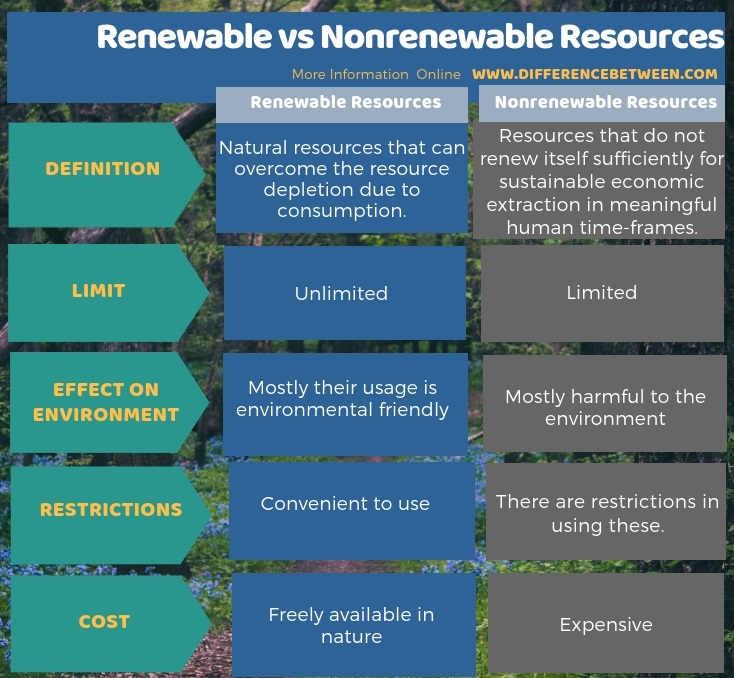
They take millions of years to form, so using them up faster than they can replenish is a big no-no. These are resources that need to be consumed with care.
Fossil Fuels: Ancient Sunshine in a Bottle
Fossil fuels, like coal, oil, and natural gas, are formed from the remains of ancient plants and animals. Over millions of years, these organic materials are transformed into energy-rich substances.
It's like sunshine stored from millions of years ago, buried deep beneath the earth's surface! Using these fuels does have a major effect to the planet's atmosphere.
However, burning fossil fuels releases greenhouse gases into the atmosphere, contributing to climate change.
Coal: The Black Diamond
Coal is a solid fossil fuel formed from the remains of ancient plants. It's used to generate electricity in power plants. Think of it as ancient, compressed sunshine.
We dig it up, burn it, and get electricity. But burning coal releases pollutants into the air, so it's not the cleanest option.
Oil: Black Gold
Oil, also known as petroleum, is a liquid fossil fuel formed from the remains of ancient marine organisms. It's used to make gasoline, plastics, and many other products.
It powers our cars, heats our homes, and makes a whole bunch of stuff. But oil spills can be disastrous for the environment, and burning gasoline releases pollutants.
Natural Gas: The Invisible Flame
Natural gas is a gaseous fossil fuel formed from the remains of ancient marine organisms. It's used for heating, cooking, and generating electricity.
It's cleaner than coal and oil, but it's still a fossil fuel and releases greenhouse gases. It's the "least dirty" option, but we are still talking about burning stuff.
Nuclear Energy: Splitting Atoms for Power
Uranium, a radioactive element, is used in nuclear power plants to generate electricity. Nuclear energy doesn't produce greenhouse gases, but it does create radioactive waste.
Think of this as splitting tiny pieces of the universe to create power. The issue comes from properly disposing waste, otherwise you have some big problems.
Metals: The Earth's Building Blocks
Metals like iron, copper, and aluminum are essential for building infrastructure, electronics, and countless other products. They are extracted from the earth and processed.
You need to mine these things and that's not always good for the Earth. Once mined, you are basically out.
Nonrenewable resources are essential for our modern world, but they're finite and have environmental consequences. We need to use them wisely and transition to more renewable sources whenever possible.
So, there you have it! A quick tour of the renewable and nonrenewable resources that power our world. It's up to us to make smart choices and use these resources responsibly, so we can keep the lights on and protect our planet for future generations.
Go forth and be resource-wise!