List Of Renewable And Non Renewable Resources
Let's talk about something fundamental to our lives, something that powers our homes, fuels our cars, and keeps the lights on: our planet's resources! We don't often think about it, but understanding where our energy and materials come from is like understanding the ingredients in your favorite dish – it makes you appreciate it so much more. Whether you're a science enthusiast or just curious about how the world works, diving into the realm of renewable and non-renewable resources is both fascinating and crucial.
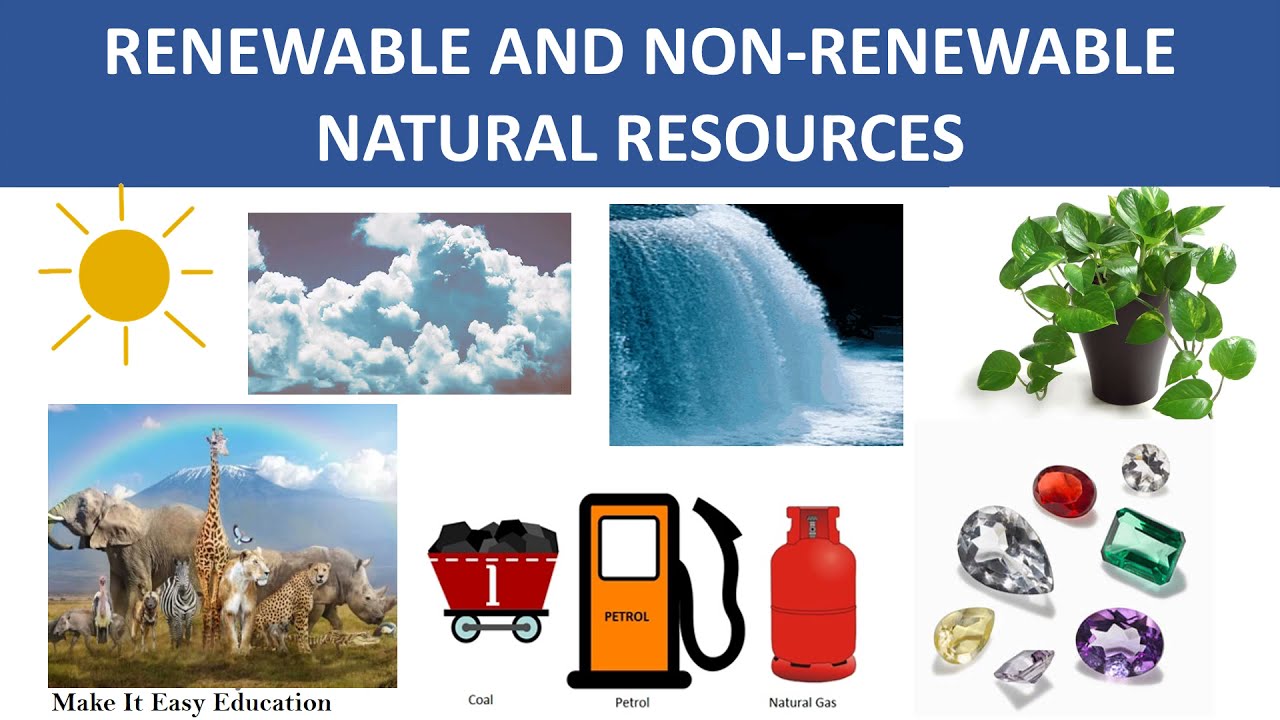
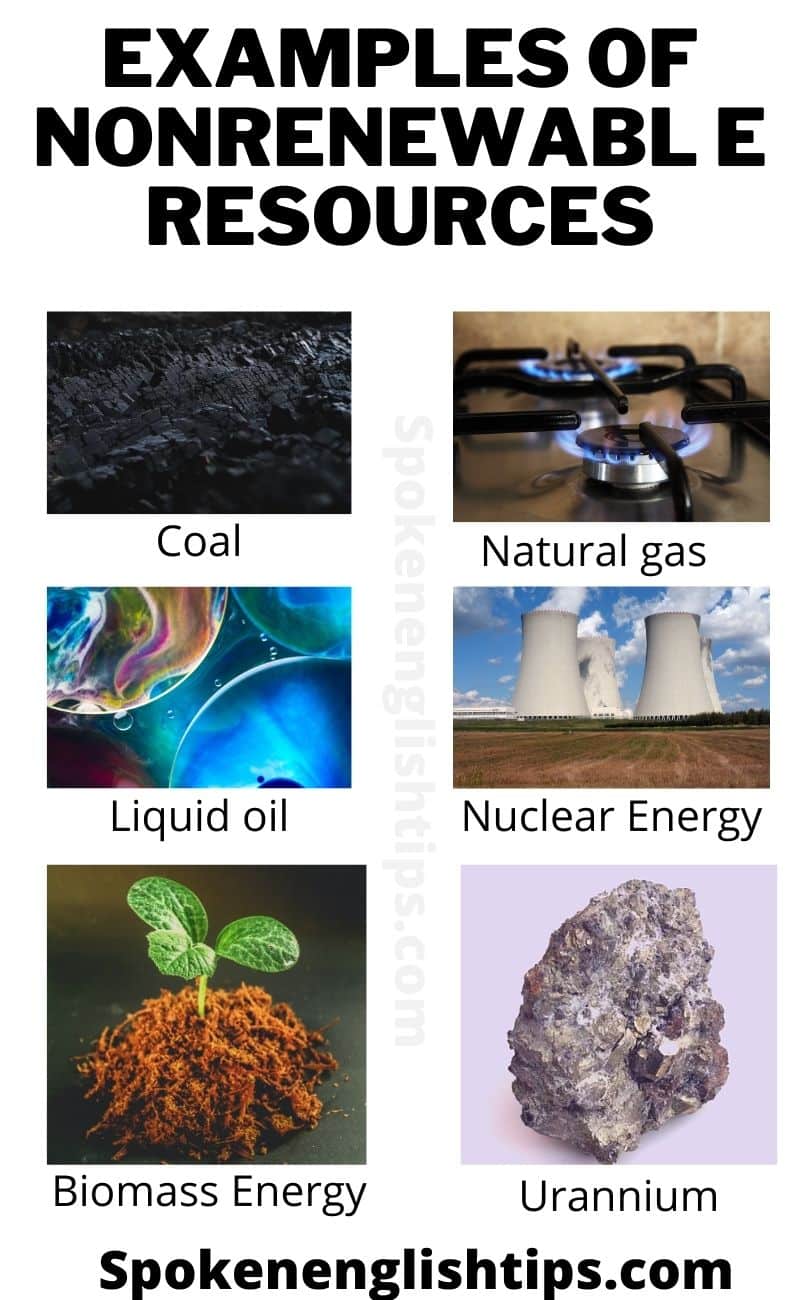
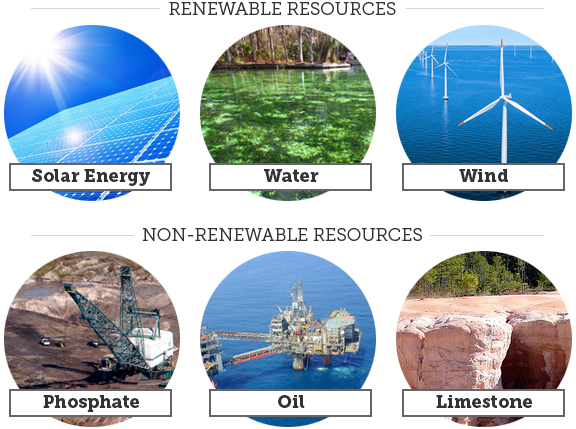
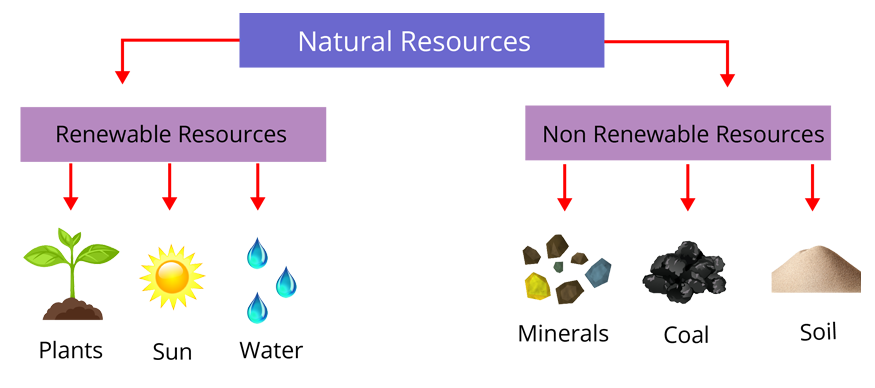
The purpose of differentiating between these resources is simple: it helps us understand the long-term sustainability of our lifestyles. Renewable resources, as the name suggests, are those that can be replenished naturally over a relatively short period. Think of sunlight, wind, water, and geothermal heat. The benefit? They offer a potentially endless supply of energy and materials, minimizing our impact on the planet when managed responsibly. On the other hand, non-renewable resources are finite – they exist in limited quantities and take millions of years to form. These include fossil fuels like coal, oil, and natural gas, as well as minerals and metals like iron ore and uranium.
The applications are everywhere! We use solar panels to harness sunlight for electricity, wind turbines to capture wind energy, and hydroelectric dams to generate power from flowing water. Geothermal energy heats homes and provides electricity in regions with volcanic activity. These are all examples of renewable energy in action. Non-renewable resources are equally pervasive. Coal powers many power plants, oil fuels our cars and is used to make plastics, and natural gas heats our homes and generates electricity. Metals are essential for construction, manufacturing, and electronics. Essentially, nearly every aspect of modern life relies on both renewable and non-renewable resources.
Must Read
So, how can you enjoy and understand these resources more effectively? Firstly, stay informed! Read articles, watch documentaries, and follow reputable sources on energy and environmental issues. Understanding the challenges and opportunities surrounding each resource type is the first step. Secondly, be mindful of your energy consumption. Simple actions like turning off lights, using energy-efficient appliances, and reducing your reliance on single-use plastics can make a difference. Consider investing in renewable energy solutions like solar panels for your home, if feasible. Thirdly, support businesses and initiatives that prioritize sustainability. Choose products made from recycled materials, support companies committed to reducing their carbon footprint, and advocate for policies that promote renewable energy development.
Finally, remember that the transition to a more sustainable future is a journey, not a destination. Every small step counts, and by increasing our awareness and making conscious choices, we can all play a role in ensuring a healthier planet for generations to come. Understanding the difference between renewable and non-renewable resources is not just about science; it's about being a responsible global citizen and appreciating the incredible planet we call home. So, explore, learn, and embrace the power of knowledge to make informed decisions about the resources that shape our lives!