List Of Renewable And Non Renewable Energy Sources
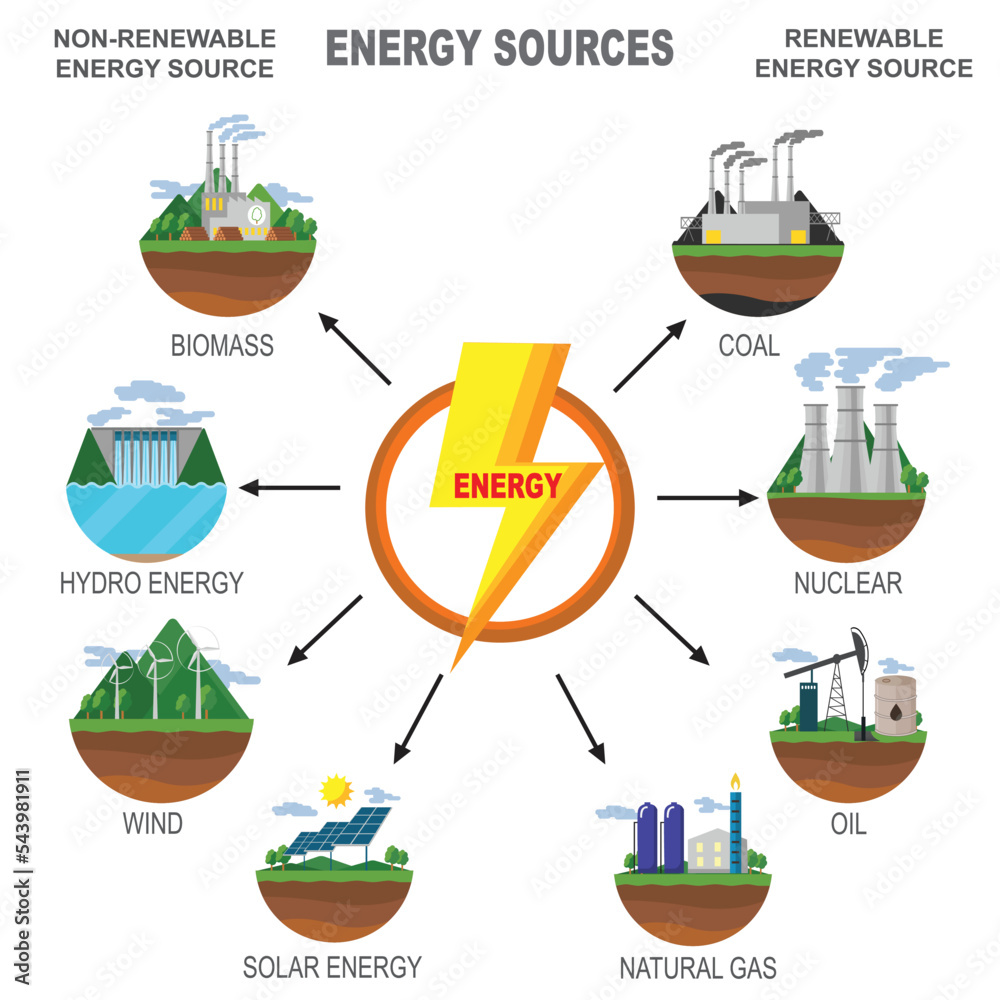
Hey there, energy enthusiast! Ever wondered where all that power buzzing around your house actually comes from? Like, really comes from? Well, grab a comfy seat (and maybe a snack!), because we're about to dive into the world of energy sources – the renewable kind and the, uh, not-so-renewable kind.
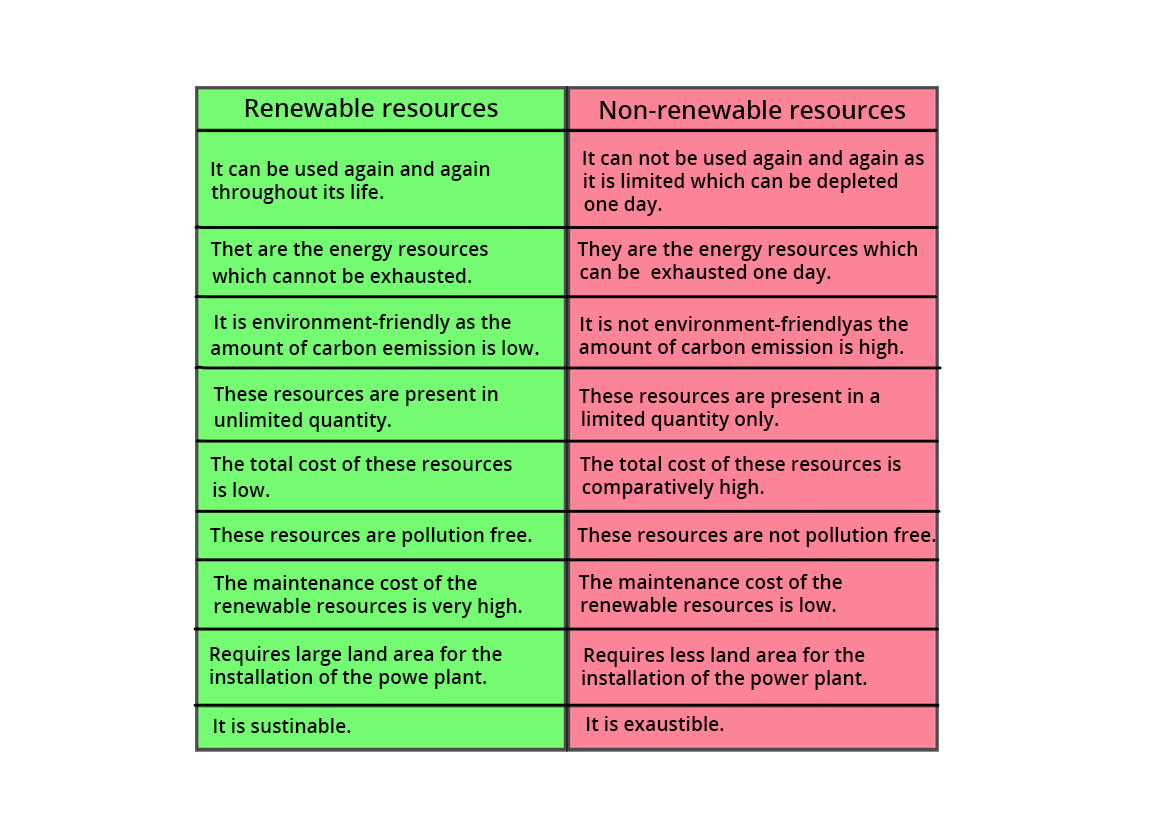
Renewable Energy: The Gift That Keeps on Giving (and Giving!)
Think of renewable energy as the super-friendly, eco-conscious superheroes of the energy world. They're constantly being replenished, so we don't have to worry about them running out (phew!). It's like having an endless supply of pizza...okay, maybe not exactly like that, but you get the idea!
Solar Power: Ah, the sun! That big, bright ball of fire in the sky that gives us tans (and sometimes sunburns, oops!). Solar power uses those sunshine rays to create electricity through solar panels. It's clean, it's green, and it's readily available (unless you live in, like, a perpetually cloudy cave). A fun fact: Did you know that the amount of solar energy that hits the Earth in one hour is more than the entire world consumes in a year? Mind. Blown.
Must Read
Wind Power: Those giant windmills you see dotting the landscape? They're not just pretty; they're powerhouses! Wind turbines capture the energy from the wind and convert it into electricity. It's like having a natural fan that pays you back! (Okay, it doesn't actually pay you, but it powers your lights, so close enough).
Hydropower: Water, water everywhere, and lots of energy to spare! Hydropower uses the force of moving water (usually from dams) to spin turbines and generate electricity. It's been around for ages and is a pretty reliable source of energy. Just don't forget the importance of careful environmental impact assessments when building dams – we don't want to mess with our aquatic friends!

Geothermal Energy: Deep down in the Earth's core, it's HOT! Geothermal energy taps into this underground heat to generate electricity or provide direct heating for buildings. It's like having a giant, natural radiator under your feet! (But please, don't try digging for it yourself.)
Biomass Energy: This one's a bit more complex. Biomass energy involves burning organic matter (like wood, crops, and even garbage!) to create heat and electricity. It's renewable because we can grow more trees and crops, but it's important to do it sustainably to avoid deforestation and air pollution. Think responsible recycling meets power generation!
Non-Renewable Energy: The Finite Fellas
Now, let's talk about non-renewable energy sources. These are the resources that are finite – meaning once we use them up, they're gone. Like that last slice of pizza...sniff...gone forever. These sources are often called "fossil fuels" because they were formed from the remains of ancient plants and animals over millions of years.
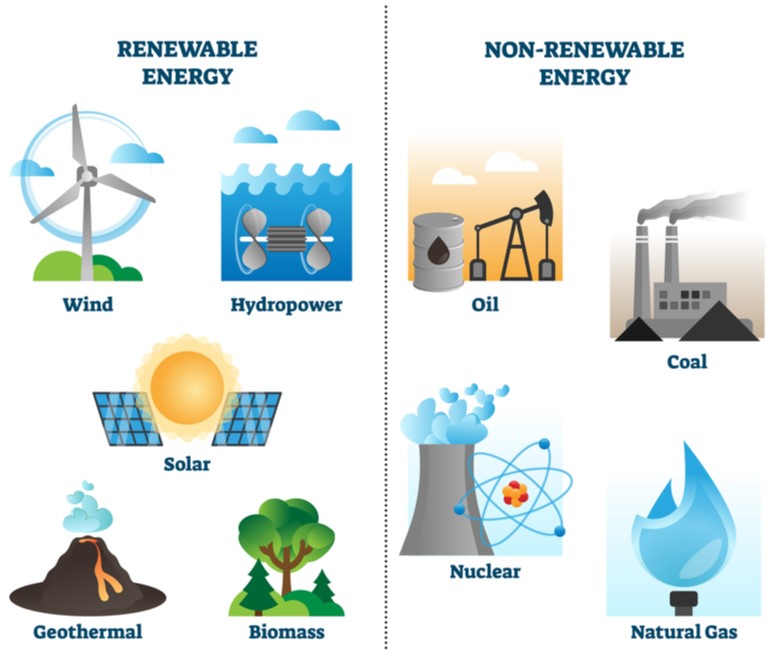
Coal: This black, rock-like substance is burned to generate electricity. It's been a workhorse of the energy industry for centuries, but it's also a major contributor to air pollution and greenhouse gas emissions. Let’s just say it's like that friend who's always reliable but leaves a trail of chaos behind them.
Oil (Petroleum): Oil is used to make gasoline for our cars, as well as heating oil and many other products. It's a versatile resource, but extracting and burning it can have significant environmental impacts, including oil spills and air pollution. Nobody wants an oily beach, right?

Natural Gas: Natural gas is often used for heating, cooking, and generating electricity. It's cleaner-burning than coal and oil, but it's still a fossil fuel and contributes to greenhouse gas emissions. It's kind of like the "lesser of two evils" option in the fossil fuel family.
Nuclear Energy: This one's a bit of a wild card. Nuclear energy uses the energy released from splitting atoms to generate electricity. It doesn't produce greenhouse gas emissions during operation, but it does create radioactive waste that needs to be carefully managed. It's a powerful, but complex solution. Think of it like a super intelligent, but also kinda unpredictable, robot.
So, there you have it! A quick and hopefully painless tour of renewable and non-renewable energy sources. The future of energy is definitely leaning towards renewables as we strive to create a cleaner, more sustainable world. And who knows, maybe one day we'll all be powering our homes with sunshine and wind (and maybe even a little bit of geothermal heat for extra coziness!). Remember, every little bit counts, from turning off the lights when you leave a room to supporting companies that invest in renewable energy. Let's all do our part to power a brighter future!