
List Of Nuclear Reactors In The United States
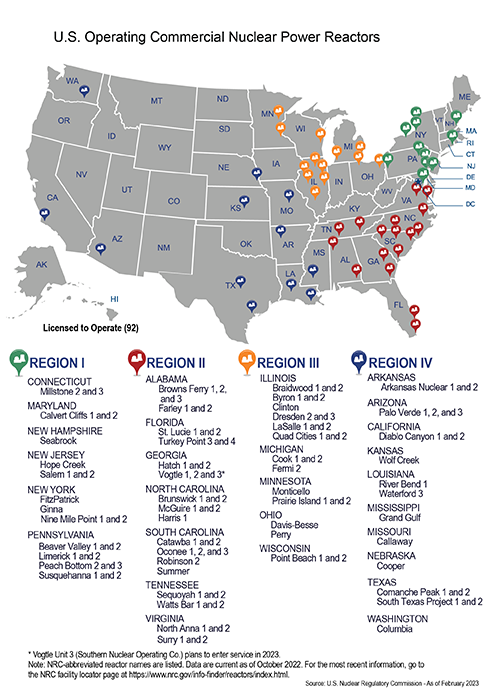
Ever wondered where all that electricity comes from? Some of it might just be from a nuclear reactor! In the USA, there's a surprisingly long list of these power plants. Let's dive into the fascinating world of America's nuclear energy scene.
A Nuclear Powerhouse
The United States is a big player in the nuclear energy game. It boasts a significant number of nuclear reactors. It's all about generating power for homes and businesses.
Think of them as giant, controlled kettles. They use nuclear fission to boil water and make steam. This steam spins turbines, which then generate electricity. Pretty cool, right?
Must Read
Finding the List
Want to see the whole list? You can usually find it on the website of the Nuclear Regulatory Commission (NRC). They keep track of all the licensed reactors in the country.
You can also find information from the Energy Information Administration (EIA). They are another reliable source for energy data. Get ready for some serious data!
What's on the List?
So, what can you expect to see? The list includes the reactor's name, location, and owner. It also shows the reactor's net generating capacity.
You might be surprised by where some of these plants are located. They're not always in the most obvious places! Imagine a nuclear plant nestled amongst rolling hills.
Reactor Types
Not all nuclear reactors are created equal. There are different types, each with its own design and features.
The most common type in the US is the Pressurized Water Reactor (PWR). There are also Boiling Water Reactors (BWR) which is another prominent design.
PWR vs. BWR
In a PWR, the water that flows through the reactor core doesn't boil. Instead, it heats a secondary loop of water. This secondary water then turns to steam and drives the turbines.
In a BWR, the water in the reactor core boils directly. The steam produced then goes straight to the turbines. Each type has its own set of advantages and disadvantages.

Location, Location, Location
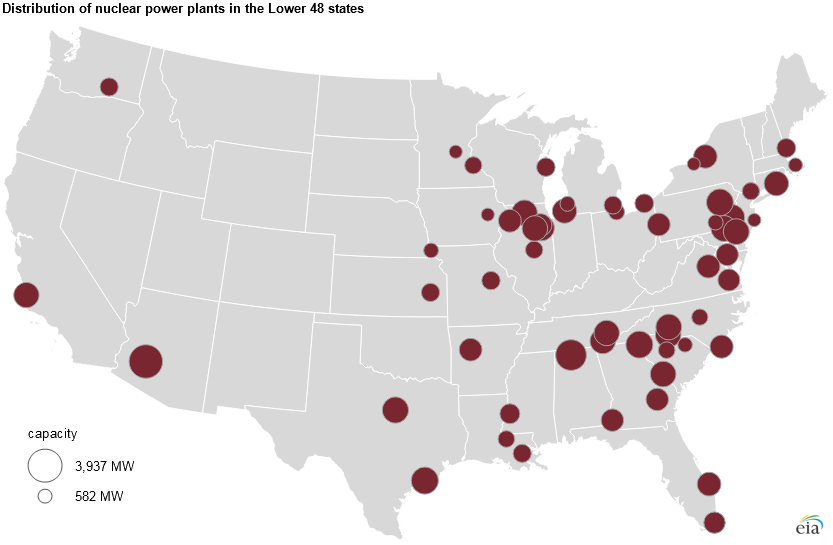
Nuclear reactors are spread across the country. Some states have multiple reactors, while others have none.
States like Pennsylvania, Illinois, and South Carolina have a strong nuclear presence. These states rely heavily on nuclear power for their electricity needs.
Why Location Matters
The location of a nuclear reactor is carefully considered. Factors like proximity to water sources and population density play a crucial role. It's all about safety and efficiency.
They also need access to transmission lines to distribute the electricity. It's a complex logistical puzzle!
Output and Capacity
Each reactor has a specific generating capacity. This measures how much electricity the reactor can produce.
Capacity is usually measured in megawatts (MW). A single reactor can generate hundreds or even thousands of megawatts! That's enough to power a small city!
Capacity Factors
Reactors don't always run at full capacity. The capacity factor indicates how much electricity a reactor actually produces over a certain period. It takes into account downtime for maintenance and refueling.
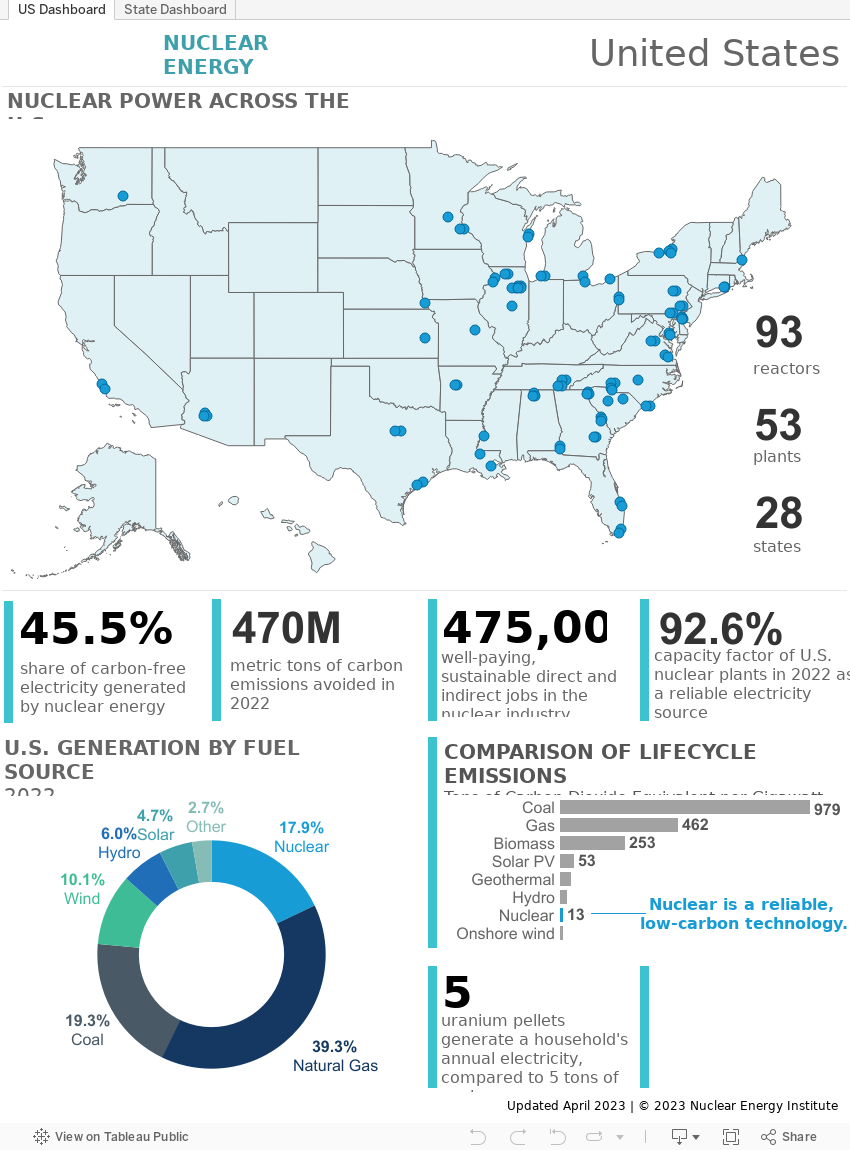
Nuclear reactors typically have high capacity factors compared to other energy sources. This means they operate reliably for long periods. It is impressive how dependable they can be.
Owners and Operators
Nuclear reactors are owned and operated by various companies. These can be large utility companies or smaller independent power producers.
Companies like Exelon and Duke Energy are major players in the nuclear industry. They own and operate multiple reactors across the country.
Regulations and Oversight
The nuclear industry is heavily regulated. The NRC oversees all aspects of reactor operation. They ensure that reactors are operated safely and securely.
The NRC conducts regular inspections and enforces strict safety standards. It's all about protecting public health and the environment.
Safety First
Safety is the top priority in the nuclear industry. Reactors are designed with multiple layers of safety features.
These include things like reactor containment structures and emergency cooling systems. The goal is to prevent accidents and mitigate their consequences.
Accident Prevention
Reactor operators undergo rigorous training to respond to potential emergencies. They practice emergency drills regularly. This ensures they are prepared for any scenario.
The industry has also learned from past accidents like Three Mile Island and Fukushima. They are constantly improving safety measures.
The Future of Nuclear
Nuclear energy is a controversial topic. Some people see it as a clean and reliable energy source. Others worry about the risks associated with nuclear waste and accidents.
However, nuclear energy plays a significant role in the US energy mix. It is a major source of carbon-free electricity.
Advanced Reactors
There is ongoing research into new reactor designs. These advanced reactors promise to be safer and more efficient. They also aim to address the issue of nuclear waste.
Some of these designs include small modular reactors (SMRs). SMRs can be built in factories and transported to the site. This reduces construction costs and time.
Exploring the List
Looking at the list of nuclear reactors is like taking a tour of the US energy landscape. You can see the diversity of reactor types, locations, and owners.
It is interesting to compare the generating capacity of different reactors. You will find differences in the technologies used. It's a deep dive into the details of electricity generation.
Doing Your Research
If you're curious about a particular reactor, you can find more information online. The NRC and EIA websites have detailed information about each plant. You can even view inspection reports.
You can also search for articles and reports about the reactor's history and performance. There is plenty of information available for those who want to learn more!
![U.S. Nuclear Power Plants and Production by State [1650x1275] : MapPorn](https://external-preview.redd.it/IabWt3J8zmHtcCP04mPXZQaKuufPN2t7tvlvUtSatUU.png?width=960&crop=smart&auto=webp&s=35c6857a877c048ddb83a9b7b0f8b2ef93024b3b)
Beyond the Numbers
The list of nuclear reactors is more than just a collection of numbers and names. It represents a significant investment in energy infrastructure. It showcases the engineering and technological prowess.
It reflects the ongoing debate about the role of nuclear energy in a sustainable future. It is important to understand the complexities of this issue.
Nuclear and the Environment
Nuclear energy has a relatively small carbon footprint compared to fossil fuels. It doesn't emit greenhouse gases during operation. This makes it a potential solution to climate change.
However, the issue of nuclear waste disposal remains a challenge. Finding a safe and permanent storage solution is crucial.
A Source of Information
The list of nuclear reactors is a great starting point for learning about nuclear energy. You can use it to explore different aspects of the industry.
From reactor design to safety regulations to the future of nuclear power, there's always something new to discover. So, check out the list and see what you can find!
Start Exploring
Why not take a look at the list today? You might be surprised by what you learn. You will gain a new appreciation for the complexity and importance of nuclear energy.
Perhaps you will even become a nuclear energy enthusiast! There is always something to learn. Prepare to have your mind blown by the world of nuclear reactors!