
Left Gas Stove On For 5 Hours

So, picture this. You walk through the door after a long day, keys still dangling from your hand, mind already halfway into that cozy evening routine. You kick off your shoes, maybe toss your bag onto the nearest unsuspecting surface, and then… you notice it. Not a smell, not a sound, just a subtle shift in the atmosphere. A warmth. An all-encompassing, slightly too comfortable warmth that feels suspiciously like your utility bill doing jumping jacks in the living room.
That, my friends, was my entry point into the rather unique experience of discovering I had left my gas stove burner on. For five hours. Five glorious, uninterrupted hours of a little blue flame dancing merrily, presumably for its own amusement, in my otherwise empty kitchen.
The Moment of Truth (and Mild Panic)
My brain, usually a whirring hive of activity (or at least, some activity), decided to take an unscheduled coffee break that morning. I’d made some tea, got distracted by an email, and like a ninja disappearing into the night, the simple act of turning off the burner vanished from my memory banks. Fast forward to 5 PM. I opened the kitchen door and was greeted by what felt less like a kitchen and more like a low-budget sauna. My immediate thought wasn't, "Oh dear, my stove!" It was, "Did I leave the window open in the middle of a heatwave? Wait, it's autumn."
Must Read
Then I saw it. The little blue beacon of forgetfulness. Glowing with an innocent, almost defiant cheer. One tiny burner, merrily blazing away, contributing absolutely nothing to the culinary arts, but quite a lot to the ambient temperature of my entire apartment.
My heart did a quick, frantic jig somewhere around my esophagus. My mind raced: "Gas leak?! Fire?! Am I going to wake up tomorrow as a charcoal briquette with a strong scent of last night's forgotten tea?"

The Great Gas Stove Audit: What Actually Happens?
Turns out, the initial panic, while absolutely justified in the moment, was maybe a tad overdramatic. (Hey, a little drama keeps life interesting, right?). Yes, leaving a gas stove on for five hours could be a recipe for disaster if certain things went wrong. For example, if the flame had gone out and gas was just leaking into the air – that's a big, fat, definite no-no and a call-the-gas-company emergency. Luckily, my little blue friend was still very much lit.
So, what was the real issue? Primarily, wasted energy and a potential build-up of carbon monoxide. That silent, invisible villain of incomplete combustion. While a single lit burner in a reasonably ventilated home isn't going to turn you into a cartoon character seeing stars, it's definitely not ideal. Modern stoves, thankfully, are a bit smarter than my forgetful brain. They often have mechanisms to prevent too much oxygen depletion, but still, better safe than sorry.
I mean, the amount of natural gas I probably incinerated could have theoretically provided enough energy to launch a small, very confused squirrel into low orbit. Or at least powered my neighbour's outdoor Christmas lights for a full month. Think of the carbon footprint! My stove was single-handedly trying to fast-track global warming in my kitchen.
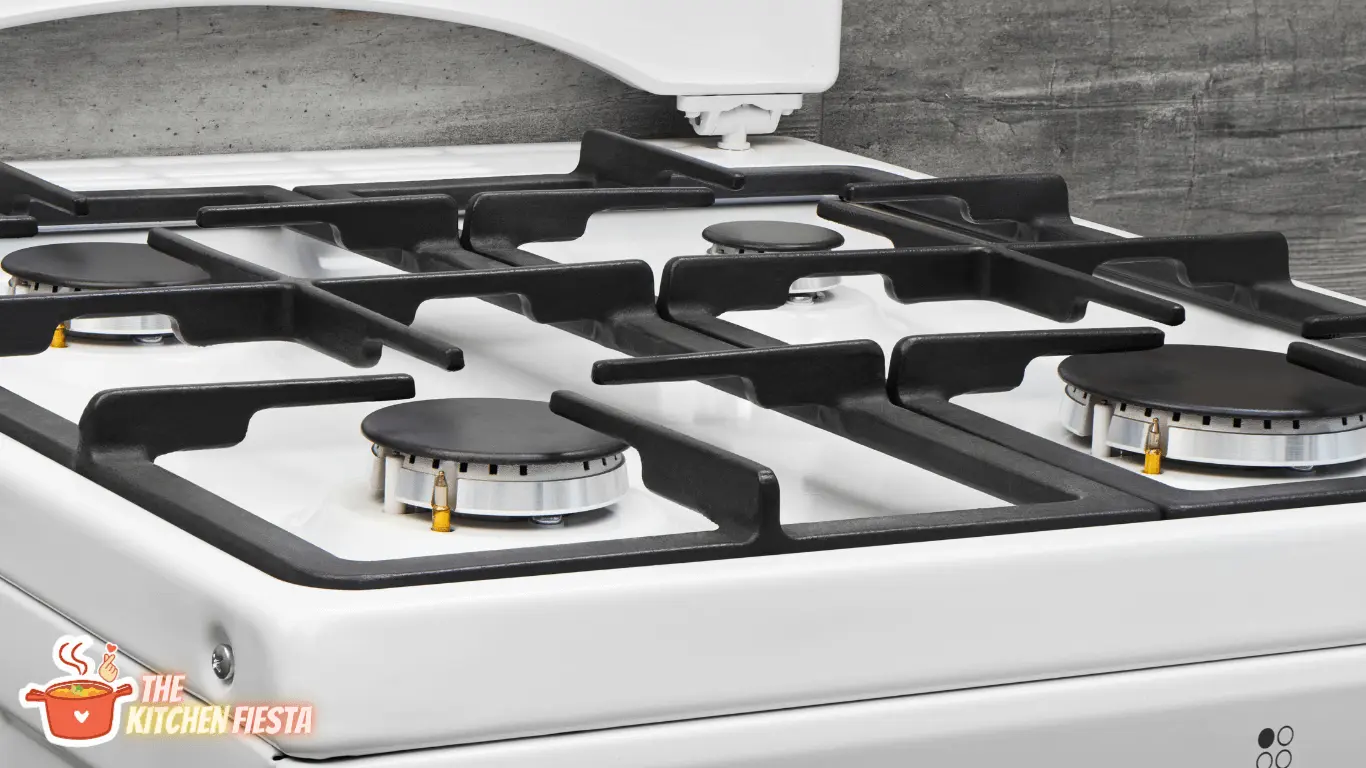
The Aftermath and the "Lessons Learned"
First order of business: Turn it off! Obvious, I know. Then, a quick vent of the house, because even if it’s just heat, a blast of fresh air is always welcome after a five-hour simmer. I did a quick check for any weird smells (other than the faint scent of "warm air" that now permeated everything) and, after a moment of contemplation, decided my carbon monoxide detector was probably a good investment. (It wasn't chirping, which was reassuring!)
The biggest takeaway from my involuntary, extended cooking session? Mindfulness is key! It’s so easy to get caught up in the whirlwind of daily life and let simple tasks slip through the cracks. Now, my stovetop has become a high-priority checklist item. Before leaving the kitchen, before leaving the house, before even thinking about what I'm having for dinner next week – I give that stovetop a good, hard stare. A stare of both respect and suspicion, like it might try to pull another fast one.
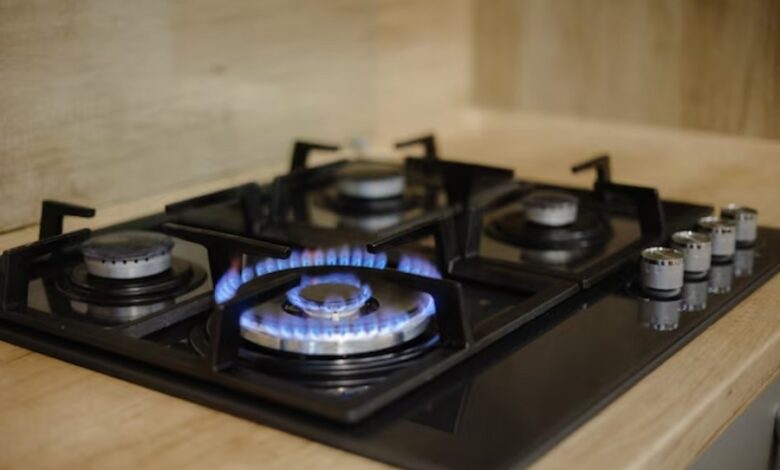
I also learned a fun fact (or perhaps, a terrifying one): the average gas burner consumes about 7,000 BTUs per hour. Multiply that by five hours, and you've got yourself 35,000 BTUs of pure, unadulterated, unnecessary heat. That’s enough energy to tell you that I'm now a proud owner of a smart plug for my coffee machine, because if I can forget the stove, I can definitely forget that. Baby steps, people, baby steps.
In Conclusion: My Kitchen, My Accidental Sauna
So, there you have it. My brush with becoming a minor statistic in the "things people leave on accidentally" ledger. It was a funny, slightly alarming, and ultimately harmless reminder that sometimes, our brains need a little extra nudge. Or maybe a sticky note. Or a personal assistant whose sole job is to yell, "DID YOU TURN OFF THE STOVE?!" every time I leave the house.
It taught me the importance of a quick double-check and gave me a fresh appreciation for just how robust (and perhaps forgiving) our home appliances can be. And yes, I did eventually make dinner that night. On the very same stove. But with a newfound vigilance that would make a hawk proud. My kitchen may have briefly been an accidental sauna, but at least now, it’s a safer, more mindfully managed sauna. You're welcome, utility company.
