
Led Light Bulbs Pros And Cons
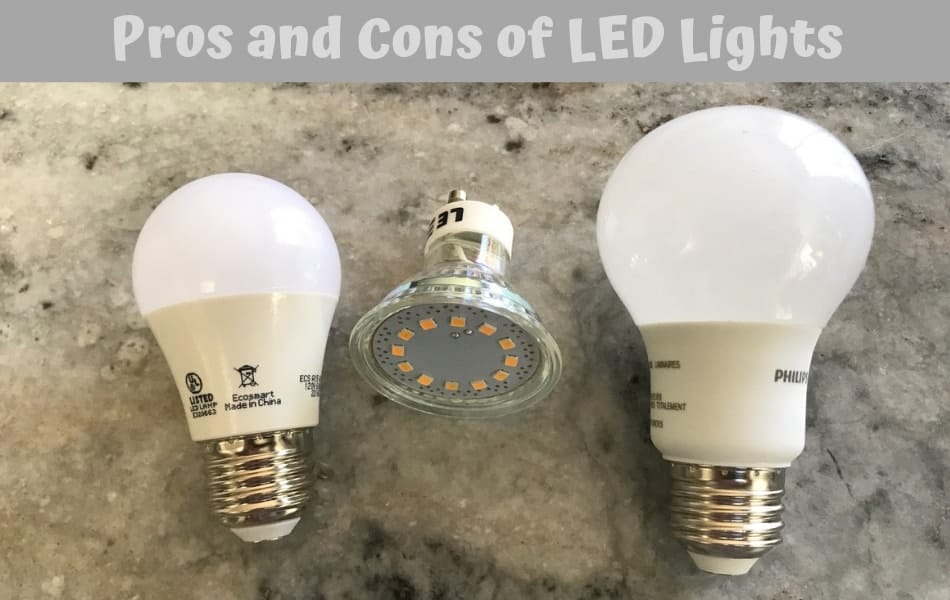
Ever stop to think about the humble light bulb? Probably not, right? It's just there, doing its thing, making sure we don't trip over the cat in the dark. But guess what? These little light-makers have had a pretty dramatic glow-up in recent years, thanks to our buddy, the LED bulb. It feels like overnight they went from being a niche, futuristic thing to being everywhere! So, what’s the big deal? Let’s pull back the curtain and peek at the good, the not-so-good, and the downright dazzling aspects of these modern marvels.
The Bright Side: Why LEDs Are So Cool
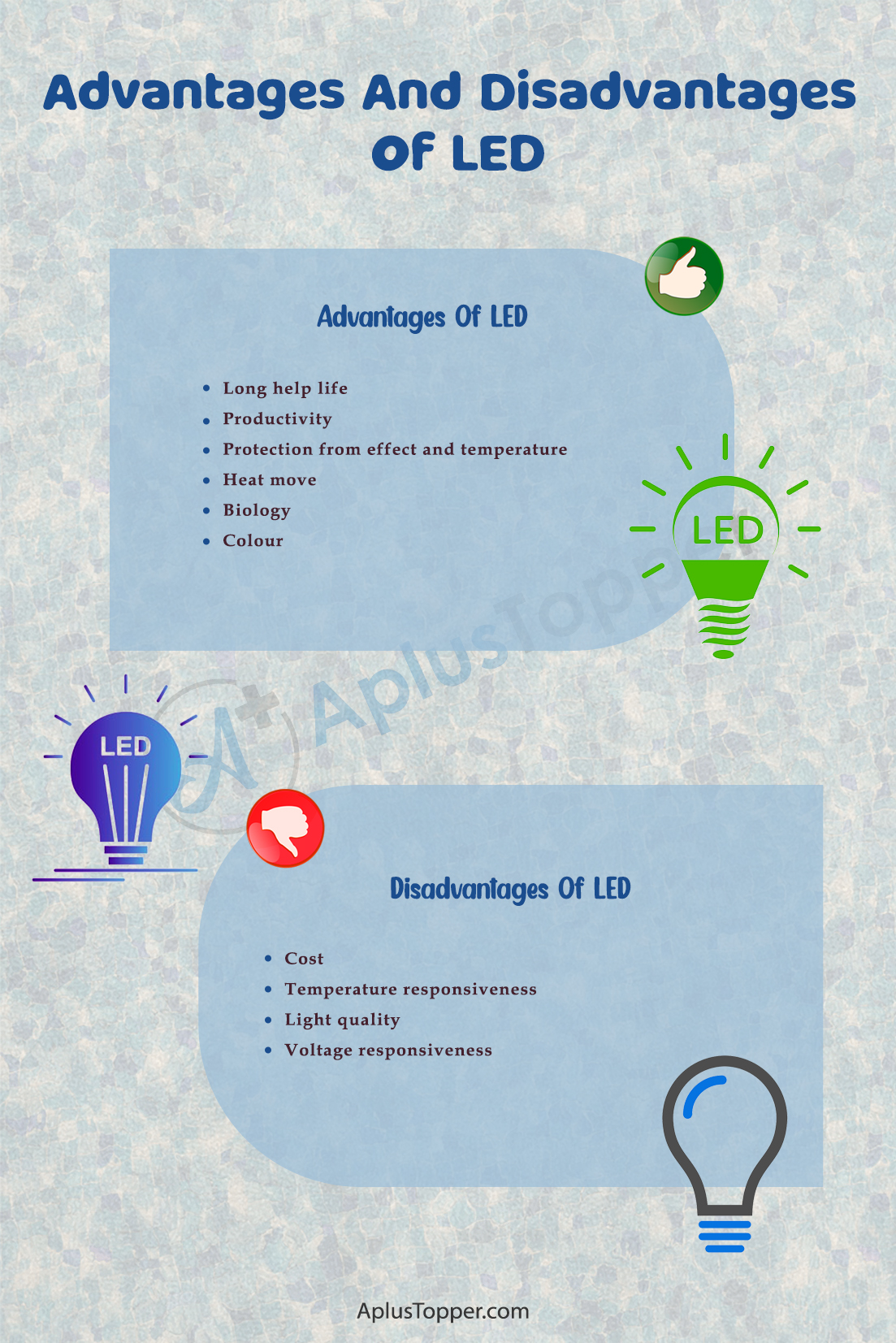
First up, let’s talk about the absolute superstar quality of LEDs: energy efficiency. This isn't just a small win; it's like going from a gas-guzzling monster truck to a sleek, electric scooter. LEDs use a tiny fraction of the electricity that old incandescent bulbs did. We’re talking about up to 90% less energy! Think about that for a second. That means less strain on the power grid, a happier planet, and – perhaps most exciting for your wallet – significantly lower electricity bills. Who doesn't love saving a bit of cash without even trying?
Next on the list? Longevity. Oh, my goodness, these things just keep going and going and going! Imagine a light bulb that lasts for 25,000 to 50,000 hours. That's not a typo. If you left an LED bulb on for three hours a day, it could last you well over two decades. Two decades! That’s like setting it and forgetting it until your kids are practically grown up. No more scrambling to find a new bulb when one inconveniently pops right before a dinner party. It’s like the marathon runner of the lighting world, leaving those old, short-lived incandescent sprints in the dust.
Must Read
And speaking of durability, LEDs are generally much more robust than their fragile predecessors. Remember those times you’d drop an incandescent bulb, and it would shatter into a million pieces like a delicate glass ornament? LEDs are solid-state lighting, meaning there's no filament to break. So, while you probably shouldn't play catch with them, they can definitely take a bump or two without throwing a tantrum. It’s like the difference between a glass vase and a sturdy plastic bottle – one’s definitely going to win the "oopsie" test.
Then there's the sheer versatility. This is where LEDs truly become exciting. Want a bright, crisp white light for your kitchen? Done. Fancy a warm, cozy glow for your living room? Easy. How about a bulb that can change into literally millions of different colors with a tap on your smartphone or a voice command? Yep, LEDs can do that too! They can dim beautifully, sync with your smart home system, and even pulse to the beat of your music. It’s like having a lighting designer living inside every bulb, ready to set the perfect mood for any occasion.
And one last pro before we switch gears: they turn on instantly. No flickering, no slow warm-up. Just boom! Light. It's a small thing, but once you get used to it, going back to those slow-to-start fluorescent tubes feels like waiting for dial-up internet in the age of fiber optics.
The Not-So-Sunny Side: A Few Quirks to Consider
Okay, so LEDs sound pretty perfect, right? Well, almost. Let’s talk about the main hiccup: the initial cost. When LEDs first came out, they were significantly pricier than traditional bulbs. While prices have come down a lot, they still tend to be a bit more expensive upfront than, say, a pack of bargain-bin incandescents. It's like buying a really good, sturdy pair of boots versus a cheap pair of flip-flops. You pay more initially, but those boots will last you years and years, saving you money in the long run because you're not constantly replacing them. So, it's an investment, but one that definitely pays off.
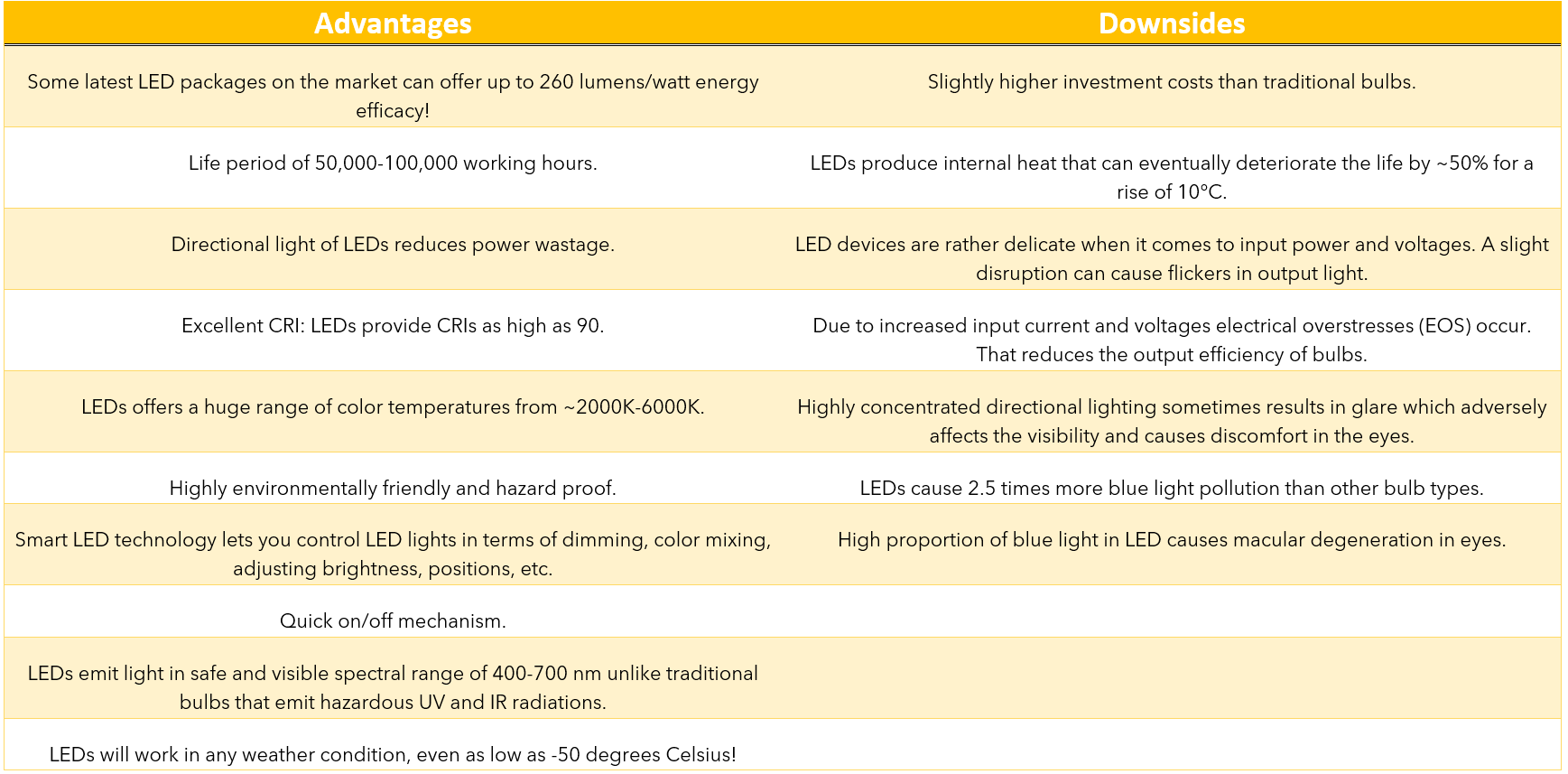
Another point that used to be a bigger issue, but is getting better, is color temperature and quality. Early LEDs sometimes had a reputation for producing a somewhat harsh, bluish, or "cold" light that some people found uninviting. This isn’t a universal truth anymore! Manufacturers have made huge strides, and you can now find LEDs in a wide spectrum of warm, natural, and cool white tones. But it's worth paying attention to the "Kelvin" (K) rating on the box to make sure you're getting the ambiance you want. No one wants their living room to feel like a sterile operating theater, unless that's your vibe!
And for those with older homes, sometimes dimming can be a bit tricky. Older dimmer switches were designed for the electrical load of incandescent bulbs, and some LEDs, especially older models, might flicker or not dim smoothly with them. The good news? Most modern LEDs are "dimmable" and work perfectly with newer, LED-compatible dimmer switches. So, if you're upgrading, a quick check of your dimmer might be in order.
Finally, while LEDs don't get searing hot like incandescent bulbs, they do still produce heat. They manage it differently, using a "heat sink" to dissipate it away from the light source itself. This means the base of the bulb might feel warm to the touch, but the light itself won't burn you if you accidentally brush against it. It's not a con per se, but it's an interesting engineering detail that shows they're not completely cool to the touch.
The Grand Takeaway
So, there you have it – a little peek into the wonderful world of LED light bulbs. While they have a couple of minor quirks, their benefits truly shine through. They’re eco-friendly, budget-friendly in the long run, practically immortal, and incredibly versatile. They’re not just light bulbs; they’re little pieces of technology that are quietly making our homes brighter, smarter, and a whole lot more efficient. If you haven't made the switch yet, or even if you have, it's pretty cool to appreciate the tiny, mighty innovations illuminating our lives every day, isn't it?
