Lean Principles Include All Of The Following Except
Lean principles. You've probably heard the term buzzing around the business world, often associated with manufacturing and efficiency. But did you know that these principles, often summarized by catchy phrases, can be surprisingly applicable, and even liberating, for creative pursuits? We're not talking about turning your artistic passion into a ruthless profit machine; instead, think of it as optimizing your creative flow and minimizing frustration. Think of it as Marie Kondo for your muse!
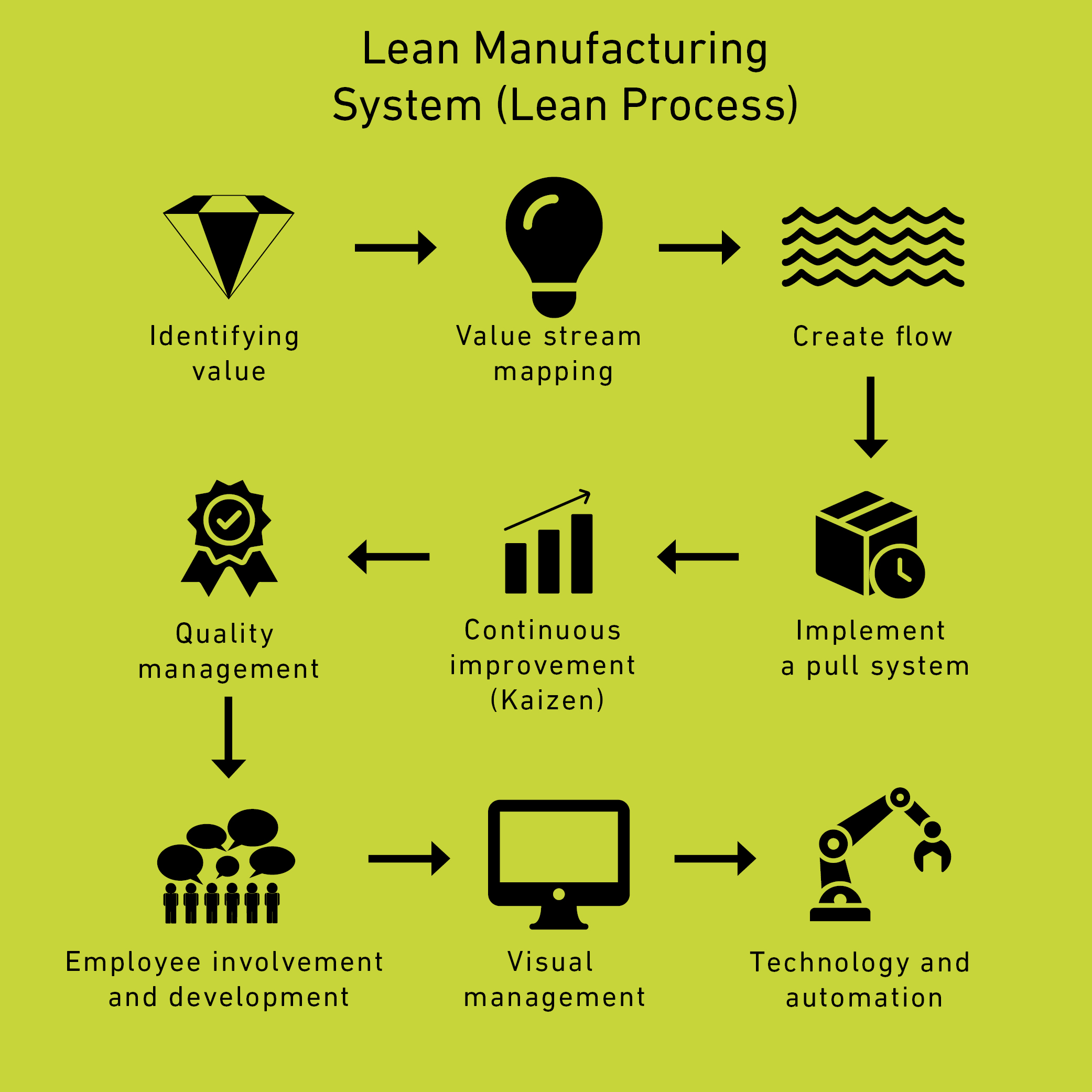
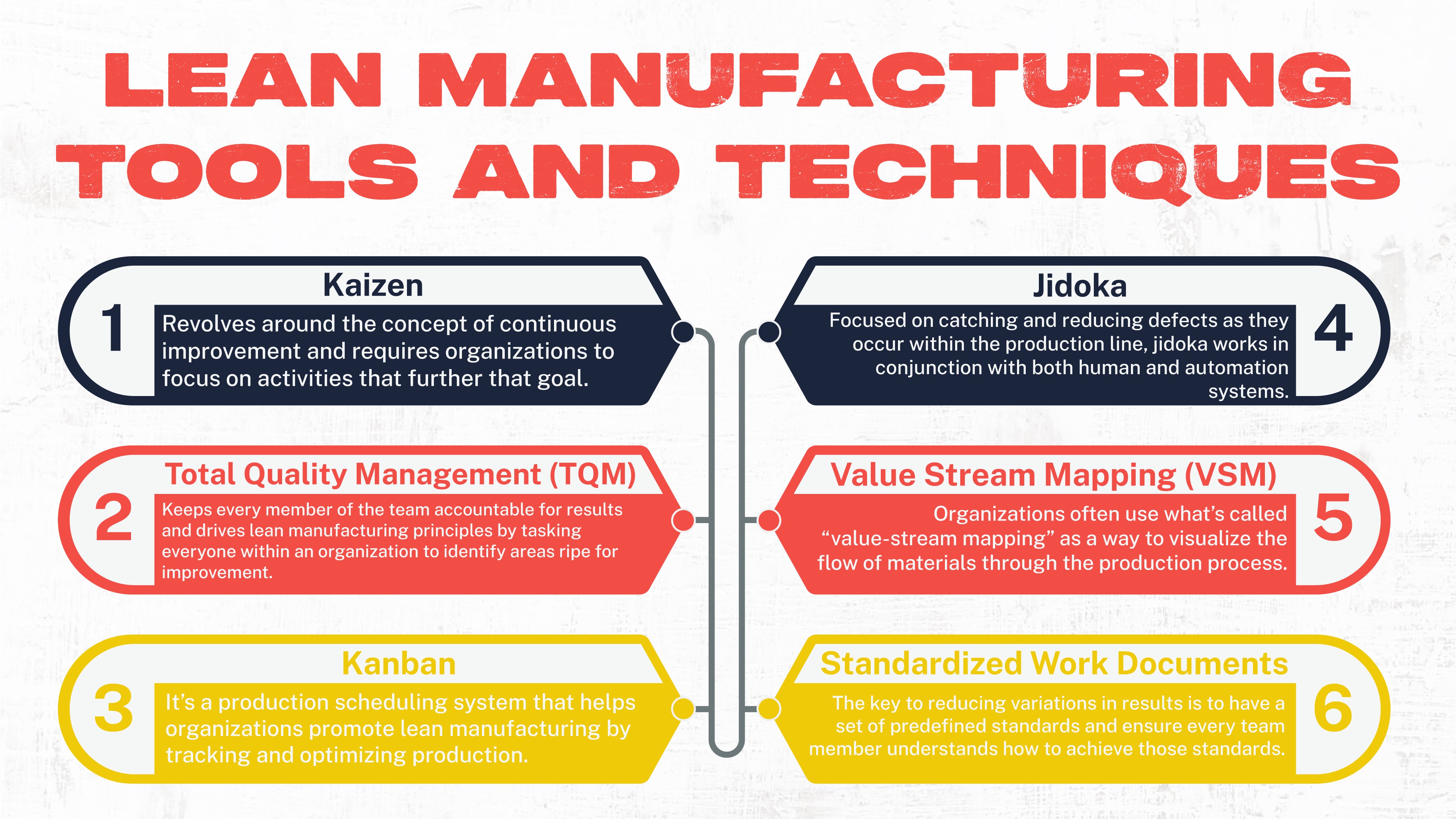
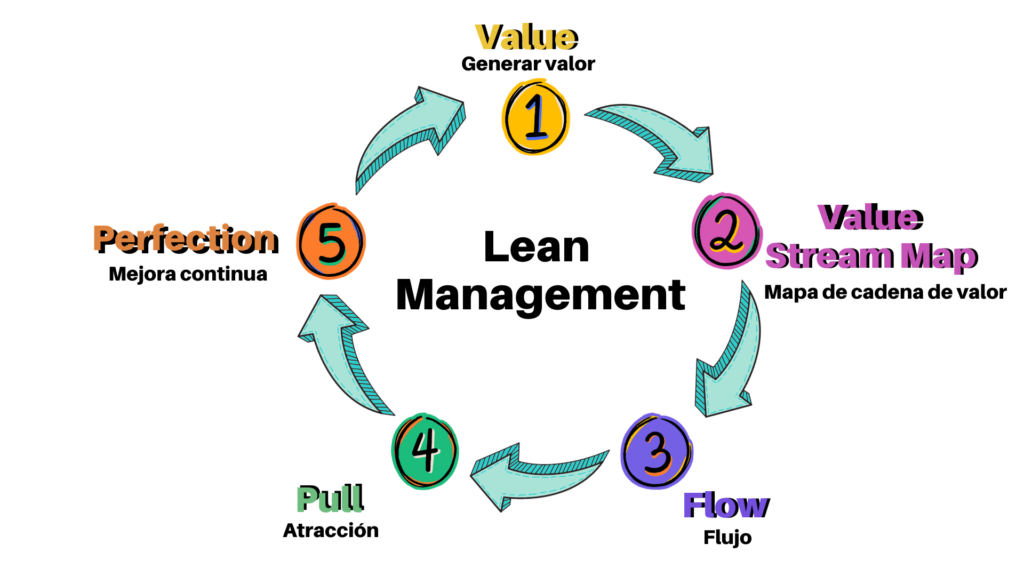
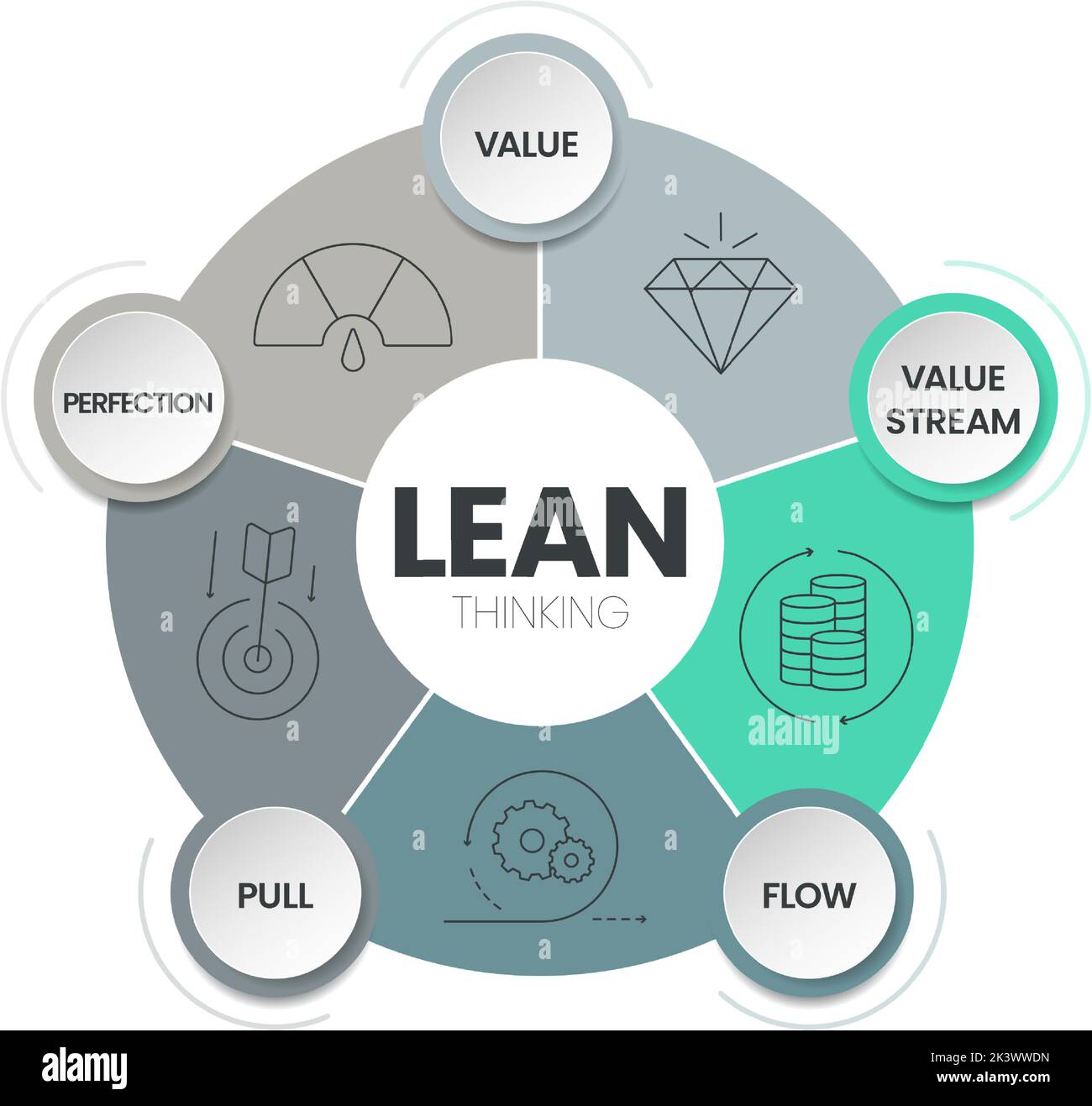
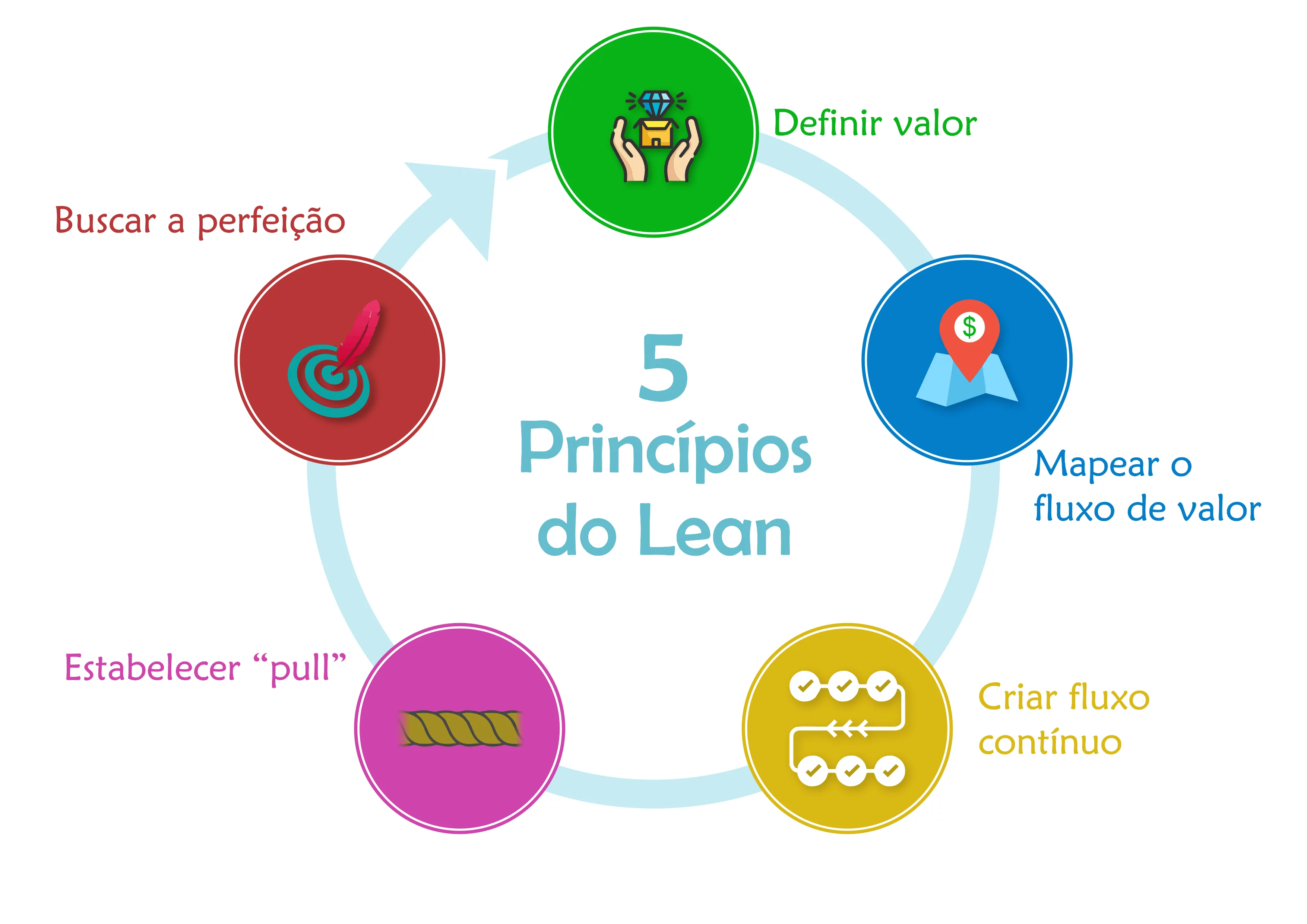
So, what are these Lean principles? Well, many lists exist, but they generally include identifying value, mapping the value stream, creating flow, establishing pull, and pursuing perfection. However, one thing Lean doesn't include is avoiding experimentation. In fact, experimentation and iterative improvement are absolutely vital! Lean encourages us to test, learn, and adapt constantly.
How can this help artists, hobbyists, or even those just dipping their toes into the creative waters? Imagine a painter struggling with portraits. Applying a Lean mindset, they might initially focus on "value" – what truly matters in a portrait? Is it perfect anatomical accuracy, or capturing the subject's essence? Then, they might "map the value stream" – breaking down the portrait process into distinct stages: sketching, underpainting, layering, detailing. By identifying bottlenecks (e.g., struggling with the initial sketch), they can target those areas for improvement. Lean promotes "flow" by ensuring they have all materials ready before starting and dedicate uninterrupted time to painting. Instead of striving for perfection from the outset, which can be crippling, Lean encourages a "pull" system – letting the painting guide them, reacting to what's already there, and iteratively refining. The key is to experiment! Try different sketching techniques, color palettes, or brushstrokes.
Must Read
Consider a writer battling writer's block. They might experiment with different writing prompts, free-writing exercises, or changing their writing environment. A musician might try improvising different melodies or chord progressions over a simple backing track. A knitter might explore different yarn textures or stitch patterns on a small swatch before committing to a large project. The beauty of Lean in a creative context is that it embraces the unexpected. It acknowledges that the journey is just as important as the destination.
Here’s how you can try it at home:
- Identify a creative project you're struggling with.
- Break the project down into smaller, manageable steps.
- Focus on one step at a time, and don't be afraid to experiment.
- Track your progress and identify areas for improvement.
- Celebrate your successes, no matter how small!
Most importantly, remember that the goal isn't to become a robot artist. It’s about removing unnecessary obstacles, fostering a positive mindset, and enjoying the creative process. It’s about embracing the joy of discovery, one brushstroke, one word, one stitch at a time. The principles help you focus on what truly matters – the joy of creating and the satisfaction of seeing your ideas come to life. So, embrace the Lean spirit, experiment fearlessly, and let your creativity flow!