Kilowatt Per Hour Is Unit Of
Ever gazed at your electricity bill and felt like you were reading an ancient scroll? You're not alone! Among the various terms, one stands out: Kilowatt-hour. Far from being a dry, technical term, understanding the kilowatt-hour is actually incredibly fun and empowering. It's like unlocking a secret code that helps you understand how your home uses energy, putting you in control of your budget and your environmental footprint. Forget confusing jargon – let's make sense of it together!
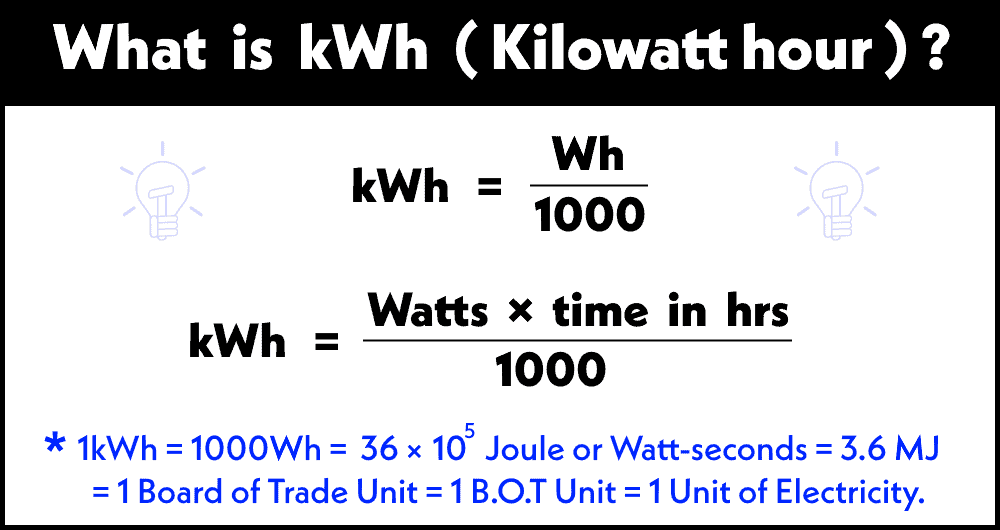
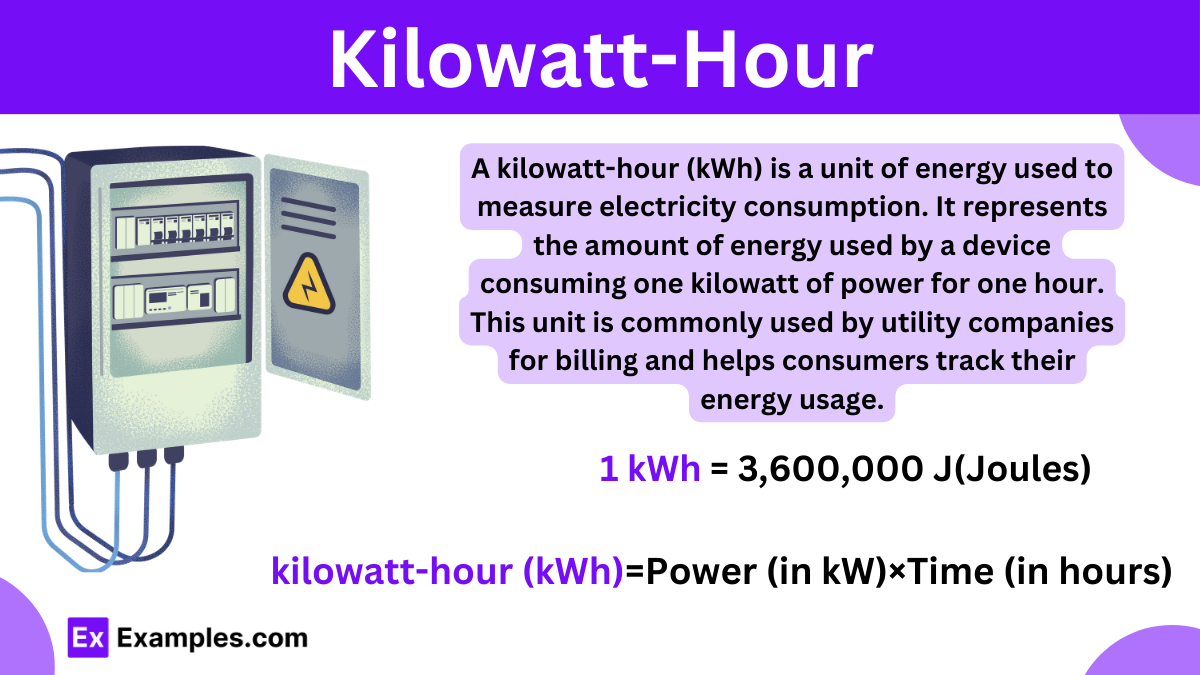
So, what exactly is a kilowatt-hour, and why should you care? Simply put, the kilowatt-hour (kWh) is the standard unit of energy consumption that your electricity provider charges you for. It measures how much energy you've used over a period of time. Think of it this way: a kilowatt (kW) is a measure of power, like the speed of a car. A kilowatt-hour, however, is a measure of the total "distance" traveled by that power over an hour. If you run a 1,000-watt (or 1-kilowatt) appliance for one hour, you've used one kilowatt-hour of energy. It’s important to remember it’s a unit of energy, not just power!
Understanding the kWh brings benefits to everyone. For beginners, it's the key to demystifying your electricity bill. No more guessing why your bill is high; you'll start to see which appliances are the real energy hogs. For families, it becomes a fantastic tool for household budgeting and a practical way to teach kids about energy conservation. Imagine discussing which appliances contribute most to the bill and finding ways to reduce usage as a team! Even hobbyists can benefit; if you're into smart home tech or off-grid solar setups, knowing kWh is fundamental for calculating battery storage, solar panel output, and optimizing device usage.
Must Read
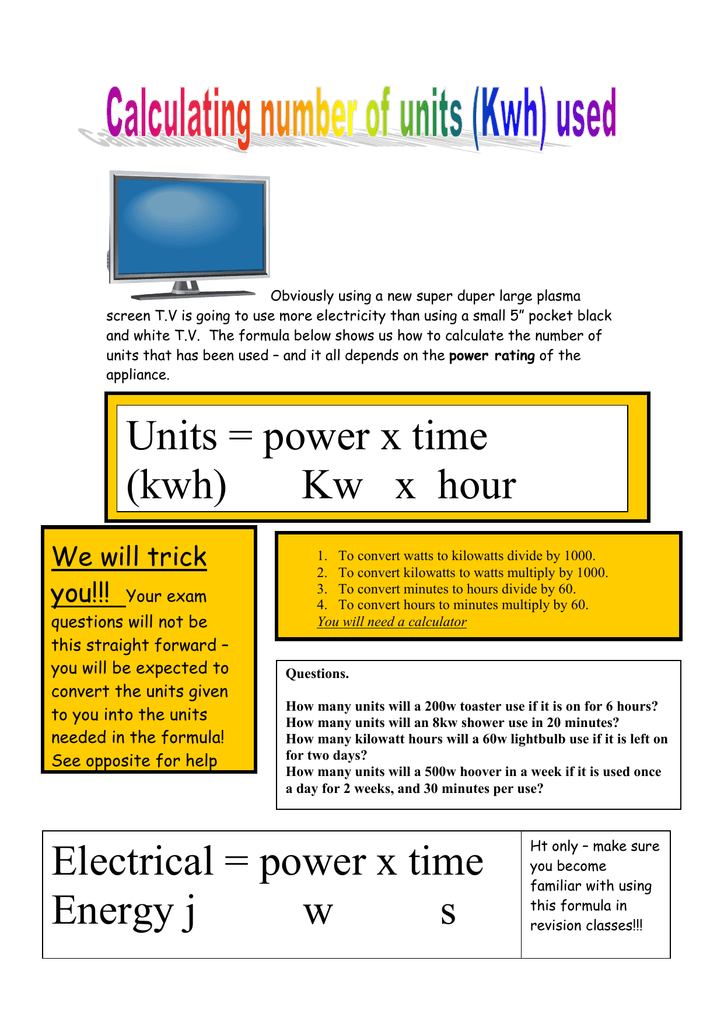
Let's look at some examples. A typical refrigerator, running 24/7, might use around 1-2 kWh per day, depending on its size and efficiency. A gaming PC, consuming say 300 watts, would use 0.3 kWh if you play for one hour. Your electric oven, a real energy guzzler, might use 2-4 kWh for an hour of baking. These numbers might seem small individually, but they add up significantly over a month, which is why your bill comes in hundreds of kWh!
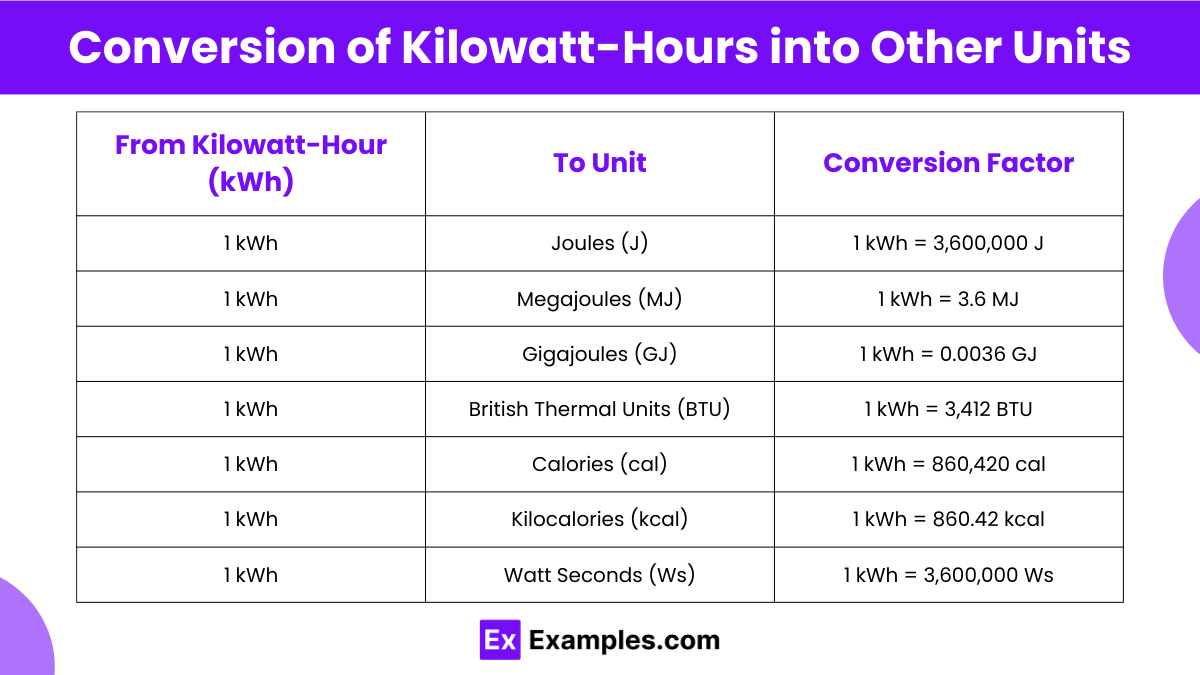
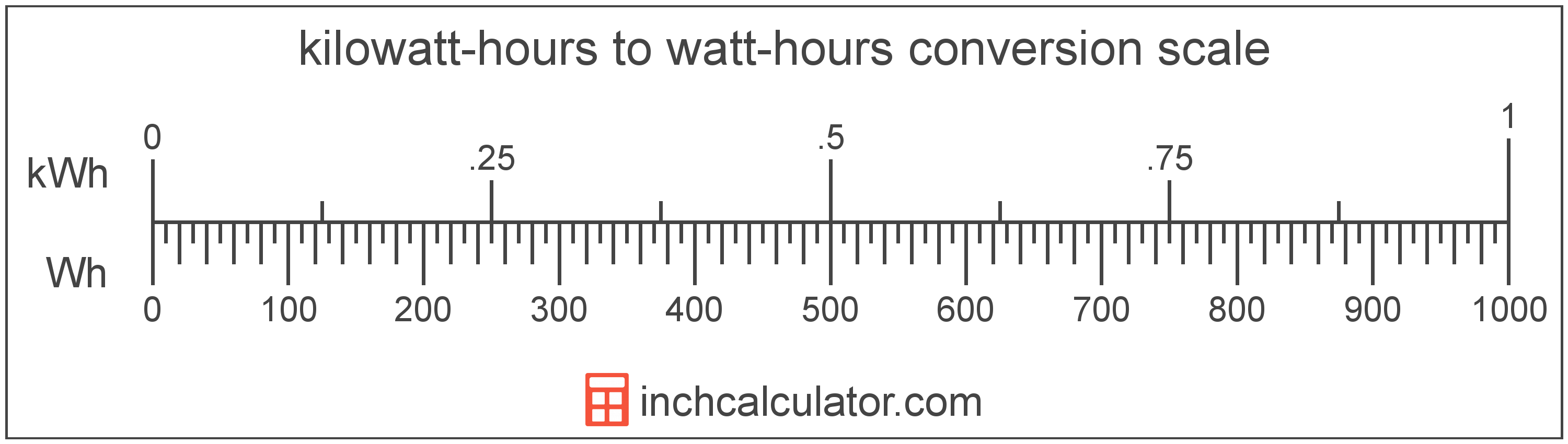
Ready to get started and take control? Here are some simple, practical tips: First, find your electricity meter. Most digital meters will clearly display your current kWh reading. Take a picture monthly to track your usage. Second, look at your appliances! Many have labels stating their wattage. You can do some quick math: Watts / 1000 = Kilowatts. Kilowatts x Hours Used = kWh. Third, consider investing in a simple plug-in energy monitor for individual appliances or even a smart thermostat that tracks HVAC usage. Finally, the most straightforward tip: turn things off when you're not using them! Every minute an appliance is off is a minute it's not racking up kWh.
By taking a few moments to understand the kilowatt-hour, you gain invaluable insight into your home's energy habits. It’s not just about saving money (though that's a great perk!); it’s about becoming a smarter, more conscious energy consumer. So go ahead, embrace the kWh – it’s a small unit with big power to change your perspective!