
Kilowatt Per Hour Is A Unit Of
Hey there, fancy seeing you! Grab a coffee, pull up a chair. I wanted to chat about something that probably makes your eyes glaze over faster than a Krispy Kreme donut: your electricity bill. Specifically, that little, unassuming "kWh" chilling on it. Ever wonder what the heck it actually means? Because, let's be real, it sounds like something a superhero might yell, or maybe a secret code for ordering extra cheese.
Kilowatt-Hour: Not a Secret Society Password, I Promise!
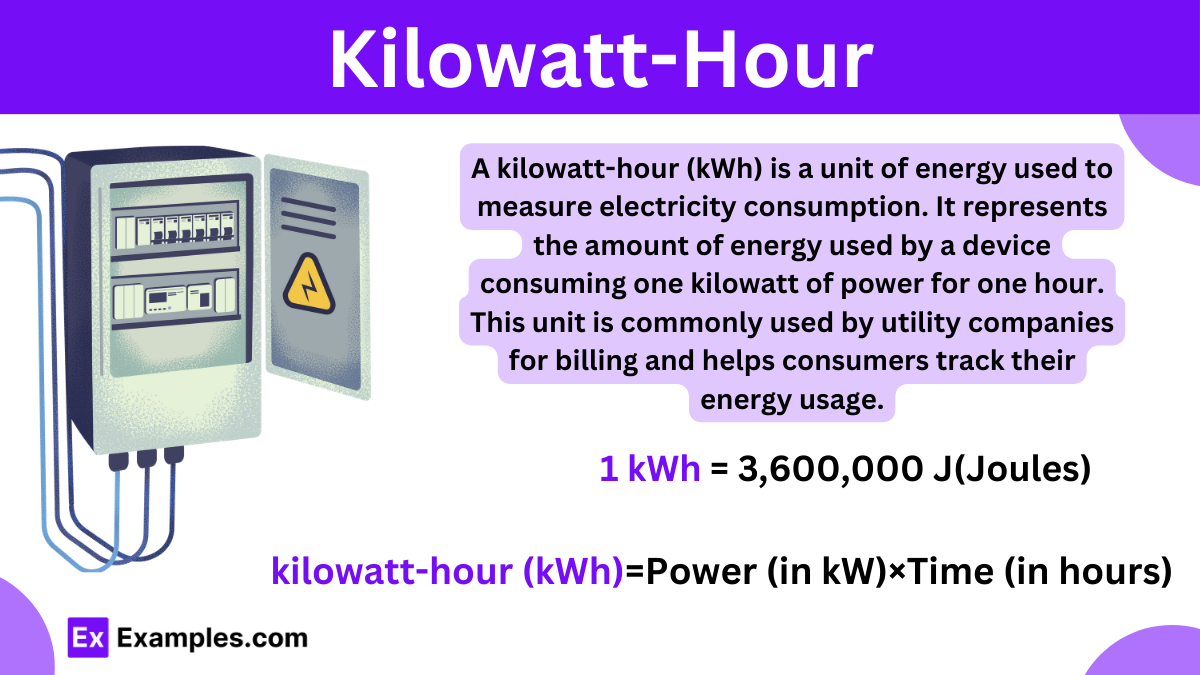
So, let's demystify this bad boy. Spoiler alert: it's not nearly as complicated as it sounds. The kilowatt-hour, or kWh for short, is basically just how we measure how much electricity you've used over a period of time. Think of it like this: when you buy gasoline, you don't just buy "gas," right? You buy it by the gallon or liter. Same with electricity. You don't just pay for "power;" you pay for how much power you used, and for how long.
It’s the standard unit your utility company uses to bill you. Yep, that whole "cents per kWh" thing on your bill? That's what they're talking about! It's their way of saying, "Hey, you ran that super-mega-gaming-rig for how many hours, exactly?"
Must Read
Breaking Down the Buzzwords: Kilowatt vs. Kilowatt-Hour
Okay, let's get a tiny bit technical, but I promise we'll keep it fun. There are two parts to this puzzle: kilowatt (kW) and hour (h).
What's a Kilowatt (kW)?
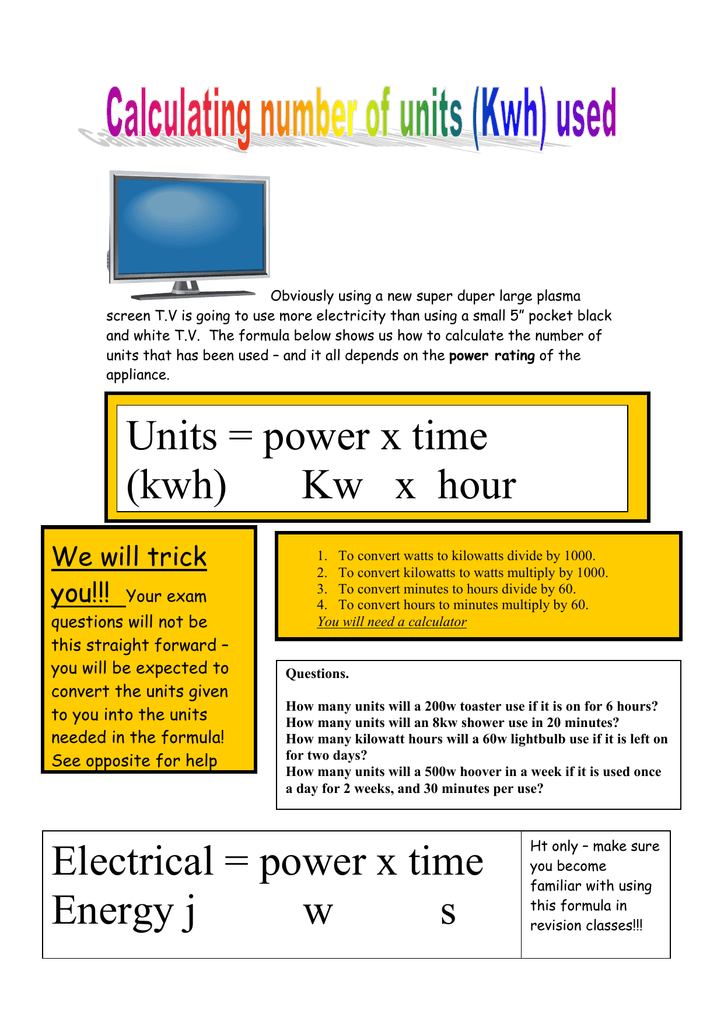
A kilowatt is a measure of power. It's like how much "oomph" an appliance needs to run at any given moment. Think of it as the appliance's appetite for electricity. One kilowatt is 1,000 watts, by the way. (See? The "kilo" part is just like "kilometer" or "kilogram" – it means a thousand!) So, if your microwave says it's 1,000 watts, that's 1 kW of power it's drawing when it's zapping your leftovers.
It's like a car's speedometer telling you how fast it can go right now. It tells you the potential, the immediate demand.
And the "Hour" Part?
This one's pretty straightforward, thankfully. The "hour" just means… an hour! 60 minutes. Tick-tock. It's the duration. How long was that appliance drawing that "oomph" for?
Putting It Together: The Magic of kWh
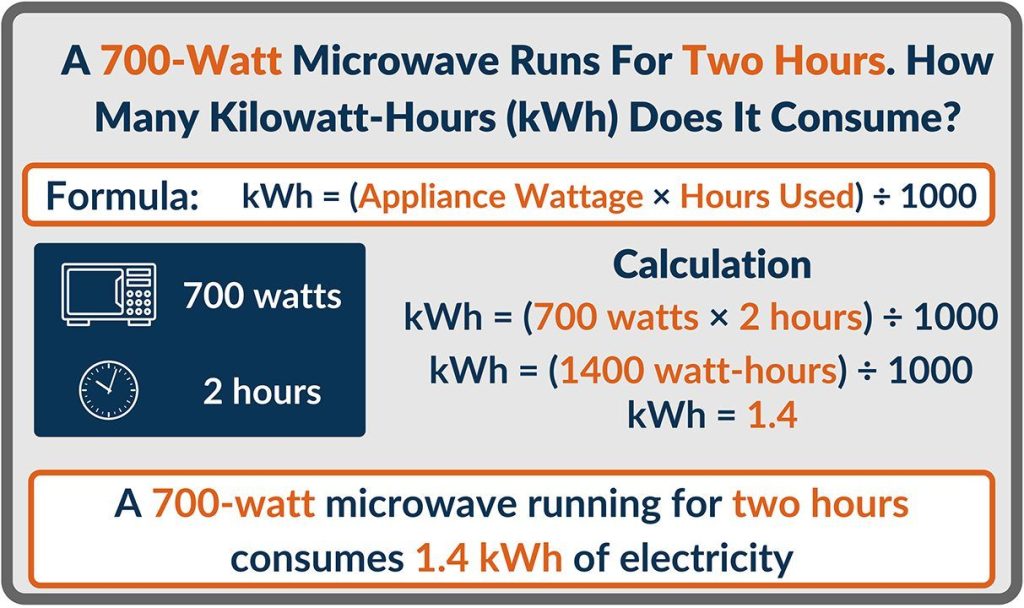
So, when you combine them, a kilowatt-hour is the amount of energy consumed by a 1-kilowatt appliance running for 1 hour. Get it? Power over time. It's the "how much" and the "for how long" all rolled into one neat package.
It's like how much fuel your car actually used during your road trip, not just how big its engine is. A powerful engine (high kW) driven for a long time (many hours) will use a lot of fuel (many kWh). But a small engine (low kW) driven for just a short hop (few hours) won't use much at all.
Why Should You Even Care, Besides Your Bill?
Well, knowing this little nugget of info can actually make you feel a bit more in control. No more staring blankly at your electricity bill, feeling like it's written in ancient runes!
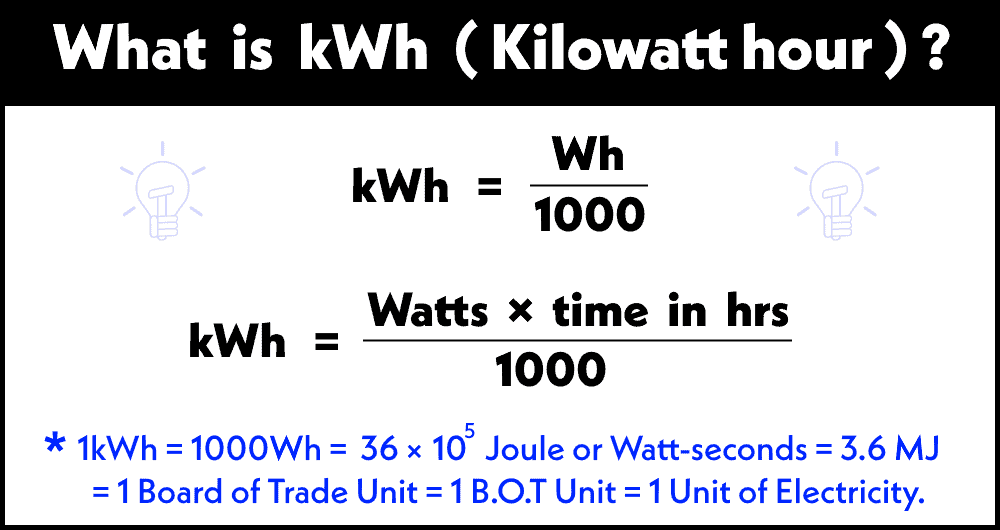
When you know that a 100-watt lightbulb running for 10 hours uses 1 kWh (because 100 watts x 10 hours = 1000 watt-hours, which is 1 kWh!), you start to get a feel for what’s chewing up your energy. Your hairdryer? Probably a high kW. But you use it for like, 10 minutes, right? So, not many kWh per use. Your fridge? Lower kW, but it's running all the time! So, it adds up to a lot of kWh over the month.
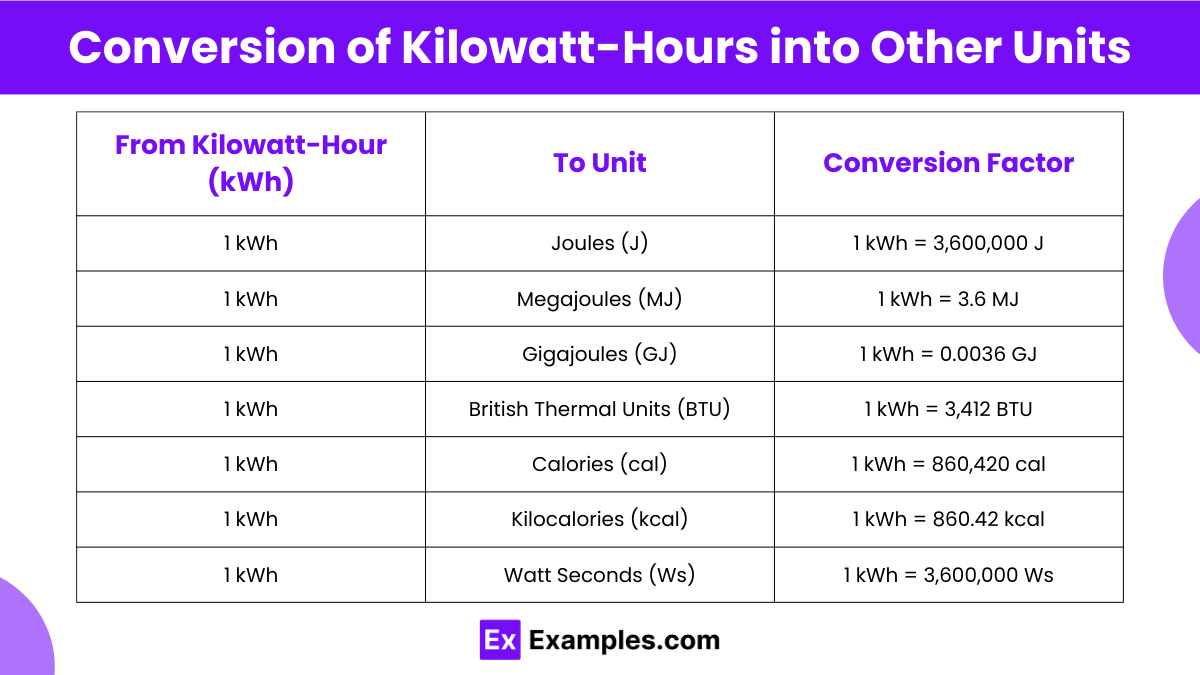
It's the difference between knowing your treadmill can go super fast (kW) versus knowing how many calories you actually burned during your workout (kWh). See? One is potential, the other is actual work done.
Your Superpower: Understanding Your Usage!
Armed with this knowledge, you can become an energy detective! Next time you buy an appliance, check its wattage. Think about how long you'll use it. Suddenly, things like energy-efficient appliances and turning off lights when you leave a room make a whole lot more sense, don't they?
So, the next time you see "kWh" on your bill, give it a nod. It's not just a bunch of letters; it's the story of your home's energy adventures. And who knows, maybe understanding it will save you a few bucks. More money for coffee, right? You're welcome!