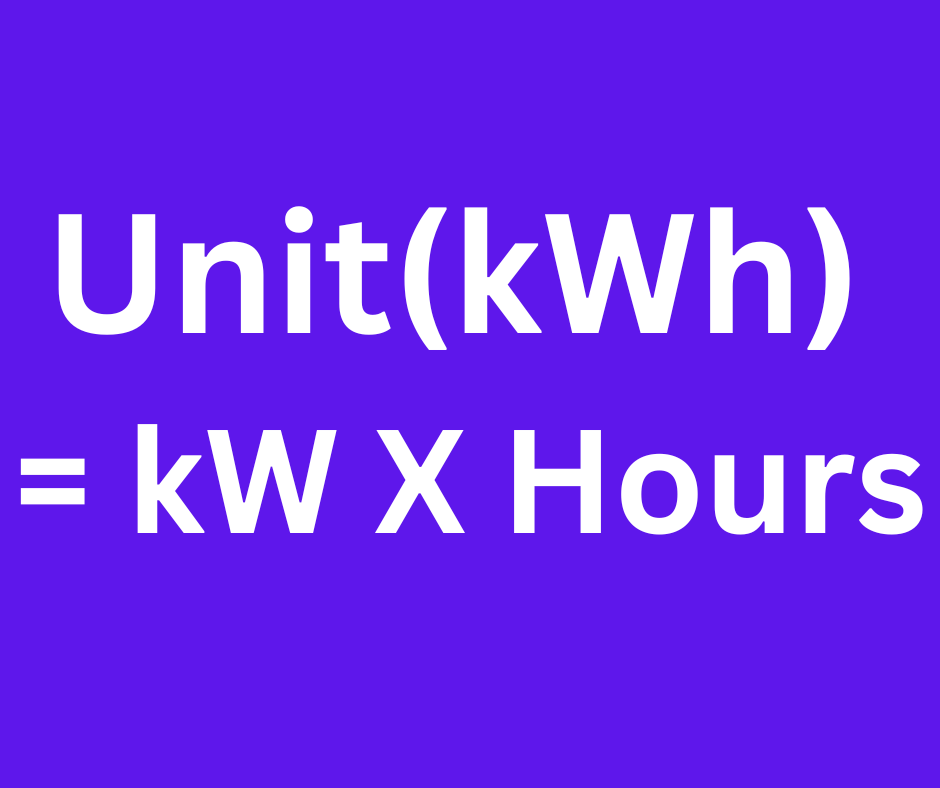
Kilowatt Hour Kwh Is The Unit Of
You know that feeling, right? It’s a scorching summer day, the kind where the air conditioning is practically begging for mercy. You crank it up, luxuriating in that glorious chill, but in the back of your mind, a tiny, annoying voice whispers, "The bill… the bill…" A month later, the dreaded envelope arrives, or more likely these days, the email notification. You open it, scan for the big, bold number, and then your eyes drift to a line item that usually just looks like alphabet soup: kWh. And you think, "What in the actual electric bill is that thing, and why is it costing me so much?!"
Well, my friend, you've stumbled upon the unsung hero (or villain, depending on your energy habits) of your household budget: the Kilowatt-hour. It's not just a random jumble of letters; it’s the fundamental unit that measures your electricity consumption, and frankly, it's about time we got properly acquainted.
So, What Is a Kilowatt-hour (kWh)?
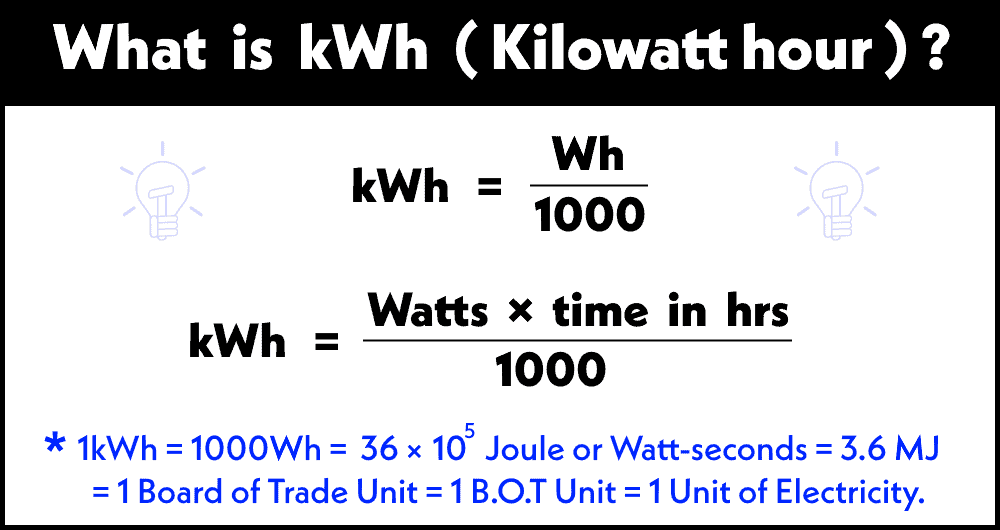
Let's cut to the chase. The Kilowatt-hour (kWh) is the unit of energy. Think of it like this: when you buy gasoline for your car, you buy it by the liter or gallon. That's a unit of fuel, or energy, that your car will consume to move. When your electricity provider charges you, they're charging you for the electrical "fuel" you’ve consumed, and that fuel is measured in kWh.
Must Read
Now, let's break down the name, because it actually tells you a lot. "Kilo" means a thousand, right? Like a kilometer is a thousand meters. So, a "Kilowatt" is one thousand watts. And a "Watt" is a unit of power. Power is about how fast energy is used or produced. Imagine a lightbulb: a 100-watt bulb uses energy at a rate of 100 watts.
The "hour" part is critical. It signifies time. So, when you put it all together, a Kilowatt-hour is the amount of energy you use if you run something that consumes one thousand watts of power for one full hour. Pretty straightforward, once you peel back the layers, wouldn't you say?
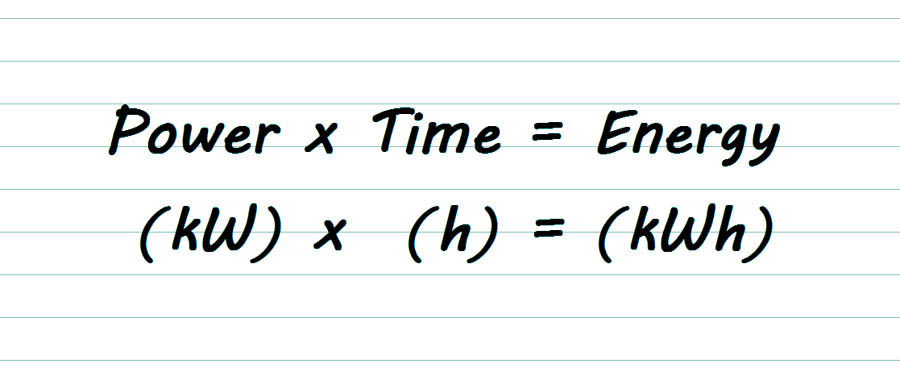
Let's try an analogy, because who doesn't love a good analogy? Imagine you have a garden hose. The thickness of the hose and how much it's open (how fast the water is flowing out) is like your appliance's power (watts). If you leave that hose running for a certain amount of time, the total amount of water that comes out of it is like the energy (kWh) you've consumed. You're billed for the total water, not just how fast it was gushing out, right? Same principle applies to electricity!
Why Should You Care About kWh?
Beyond understanding your electricity bill, knowing about kWh is like gaining a superpower for managing your home's energy. Seriously! It helps you:
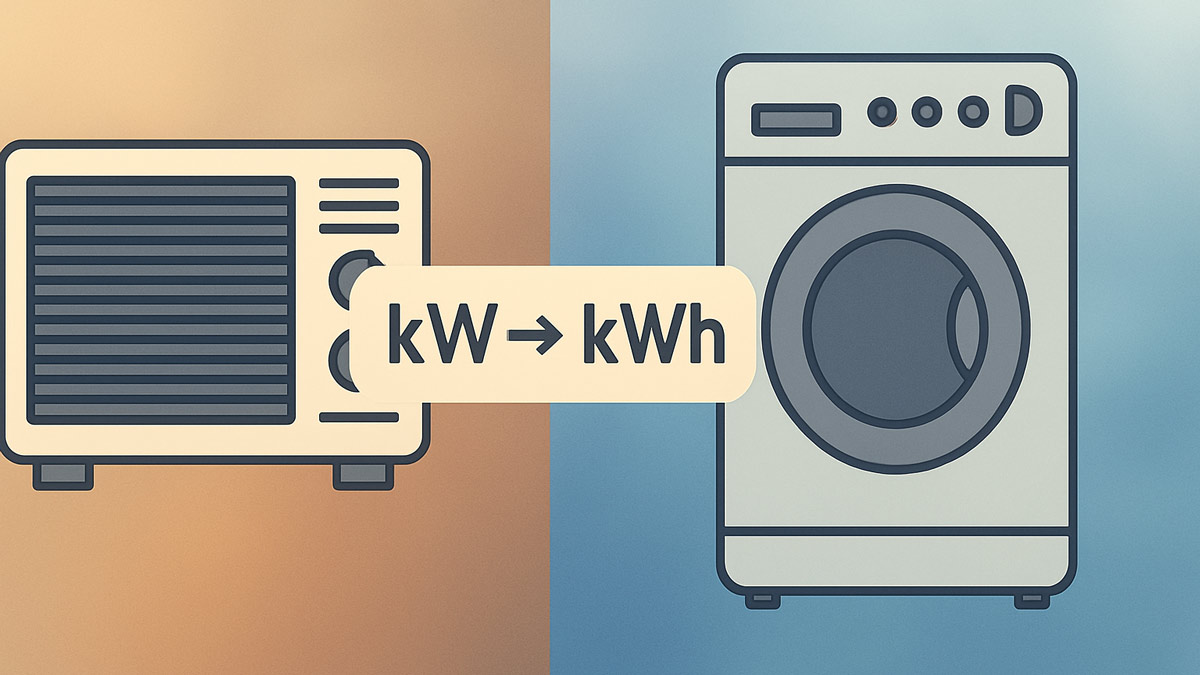
- Understand Your Bill Better: Suddenly, that line item makes sense. Your bill is essentially saying, "You used X amount of electrical energy, and we charge Y dollars per unit of that energy (per kWh)."
- Compare Appliance Efficiency: Ever wondered which appliance is the real energy hog? A giant flat-screen TV might have high wattage, but if you only use it an hour a day, it might consume less kWh than your fridge, which runs 24/7 (albeit at lower wattage).
- Make Smart Choices: When buying new appliances, you often see their estimated annual kWh consumption. This number, my friend, is your golden ticket to predicting future operating costs and picking more energy-efficient models.
- Save Money (and the Planet): By understanding how much energy different activities consume, you can make informed decisions. Turning off lights, unplugging phantom loads, setting your AC a few degrees higher – these aren't just feel-good gestures; they directly impact your kWh consumption and, therefore, your wallet!
A Quick Calculation Example (No Math Degree Required!)
Let's say you have a space heater that's rated at 1500 watts (a pretty common size). If you leave that bad boy on for 2 hours, how much kWh have you used?
1. Convert watts to kilowatts: 1500 watts / 1000 = 1.5 kilowatts (kW).

2. Multiply by hours: 1.5 kW * 2 hours = 3 kWh.
If your utility charges, say, 15 cents per kWh, that 2-hour heating session just cost you 45 cents (3 kWh * $0.15/kWh). See? Now you're practically an energy economist!
So, the next time you glance at your electricity bill and see "kWh," you won't just see a random abbreviation. You'll see the measurement of all those hours you spent binge-watching, the silent hum of your fridge keeping your snacks cool, the glorious blast of that AC on a hot day. It’s the metric that puts you in control, helping you understand, manage, and hopefully, reduce your energy footprint. Go forth and conquer your electric bill, armed with your newfound kWh wisdom!