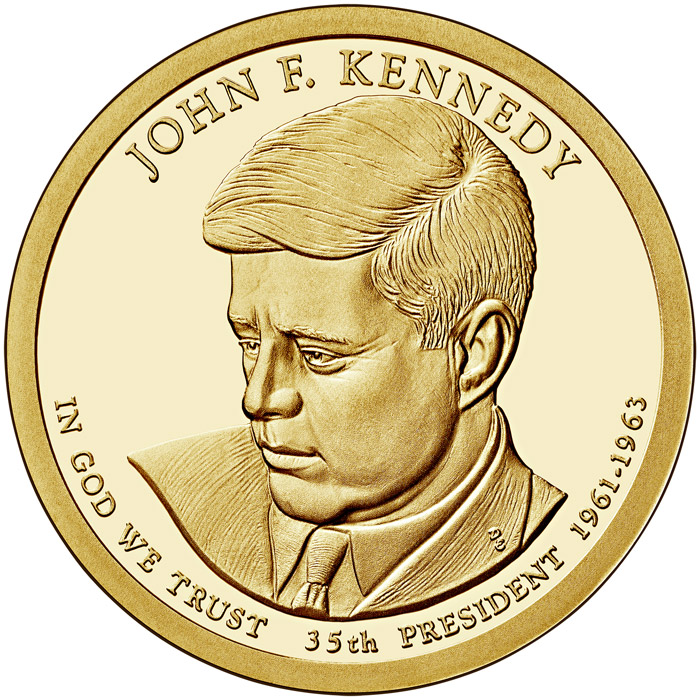
John F Kennedy Coin 1961 To 1963 Value

Ever rummage through your spare change and find a shiny, silver-colored coin featuring a familiar face? If that face belongs to John F. Kennedy, you might be holding onto a little piece of history – and maybe even a bit of value! Exploring the worth of Kennedy Half Dollars from 1961 to 1963 is a fun dive into numismatics (coin collecting), a hobby enjoyed by millions. It's also a practical skill. Knowing how to identify and assess these coins could turn up a surprise windfall, or simply give you a greater appreciation for the coins jingling in your pocket.
The purpose of understanding the value of these coins is twofold. First, it's about historical significance. Kennedy Half Dollars were first minted in 1964, shortly after President Kennedy's assassination, as a memorial to his life and service. While the coins we're discussing (1961-1963) don't depict Kennedy, the knowledge helps understand how coin composition and design changed in that era. It provides context for understanding the Kennedy Half Dollar's legacy. Second, it's about potential financial gain. While most circulated Kennedy Half Dollars from this period are worth only their face value (50 cents), certain factors like mint marks, condition, and errors can significantly increase their worth. Wouldn't it be nice to discover you have a coin worth more than just pocket change?
So, what affects the value? A key factor is the coin's composition. The Kennedy Half Dollars didn't exist between 1961 to 1963. The information you're finding most likely refers to Franklin Half Dollars. Franklin Half Dollars minted from 1948 to 1963 were made of 90% silver, giving them intrinsic value beyond their face value. The silver content means their worth fluctuates with the price of silver itself. Online resources and coin dealers can help you determine the current silver spot price.
Must Read
Next up is the mint mark. You'll usually find a small letter, like "P," "D," or "S," indicating where the coin was minted. "P" stands for Philadelphia, "D" for Denver, and "S" for San Francisco. Some mint marks are rarer than others, which can influence the coin's value. For example, coins from certain mints might have had smaller production runs, making them scarcer and therefore more desirable to collectors.
Condition is King (or Queen!). Coin collectors use specific grading scales to assess the condition of a coin, ranging from "Poor" to "Uncirculated." A coin in pristine, uncirculated condition will generally be worth considerably more than a worn and damaged coin. Signs of wear include scratches, dents, and fading details. Handling the coin carefully by the edges is important to preserve its condition. Never clean a coin, as this can actually reduce its value by removing its natural patina.
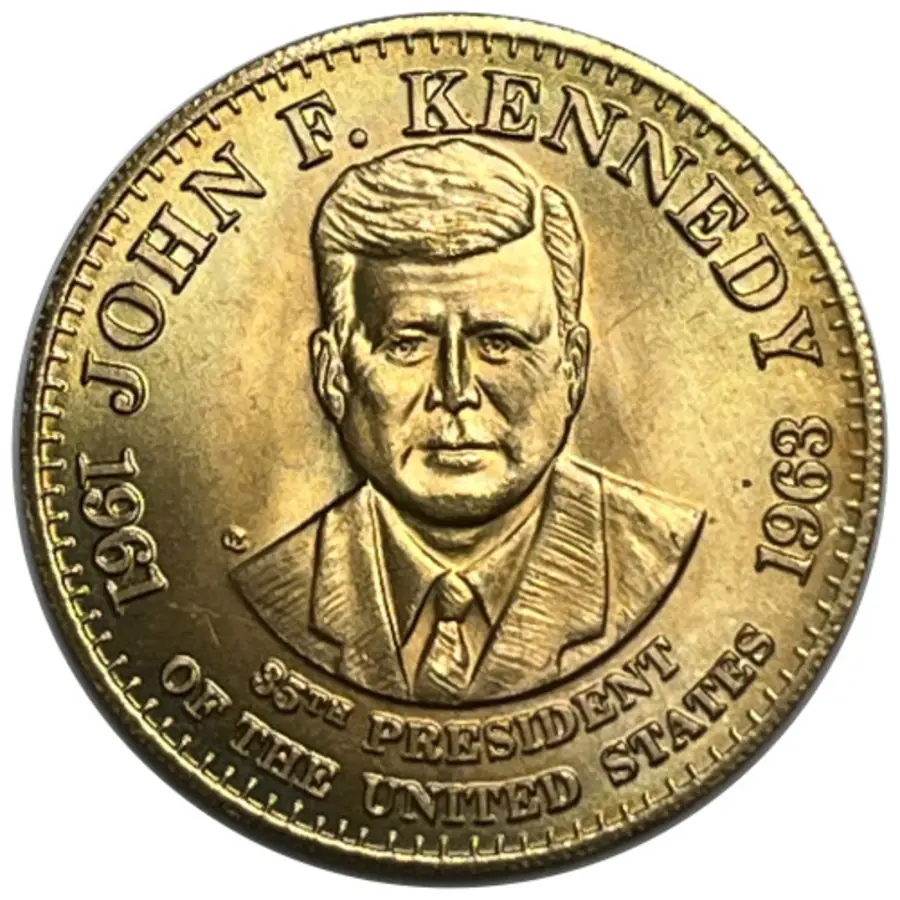
Finally, keep an eye out for errors. Minting errors, such as double dies or off-center strikes, can make a coin incredibly valuable. These errors are rare, so finding one is like hitting the coin collecting jackpot! If you think you've spotted an error, it's best to consult with a professional numismatist to get an accurate assessment.
In conclusion, while finding a treasure trove of valuable Kennedy Half Dollars from 1961-1963 isn’t possible (since they didn't exist!), understanding the principles of coin collecting and valuation—especially regarding Franklin Half Dollars—is a rewarding pursuit. It combines history, economics, and a little bit of luck. So, next time you have some spare change, take a closer look – you might just discover something special!